





Introduction — Why this provocative post: Munich’s tram deserves more than a polite nod
In most travel guides and conversations about Munich, the U‑Bahn (subway) gets the plaudits: speed, frequency, a dense underground network, air conditioning, and above all the comforting idea that “underground = efficient.” But scratch beneath the surface of common assumptions and a less glamorous truth appears: Munich’s tram (Straßenbahn) often delivers a more useful, more human and sometimes smarter experience for those who want to see the city rather than simply cross it. This piece is an anti‑guide in the most constructive sense: I’m not telling you to abandon the U‑Bahn, I’m asking you to question the reflexive “metro first” mindset and consider the tram as a strategic alternative — practical, cheap, scenic and often more direct depending on your route.
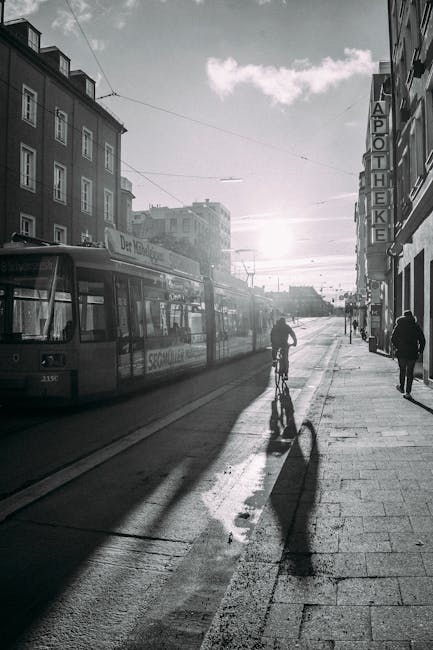
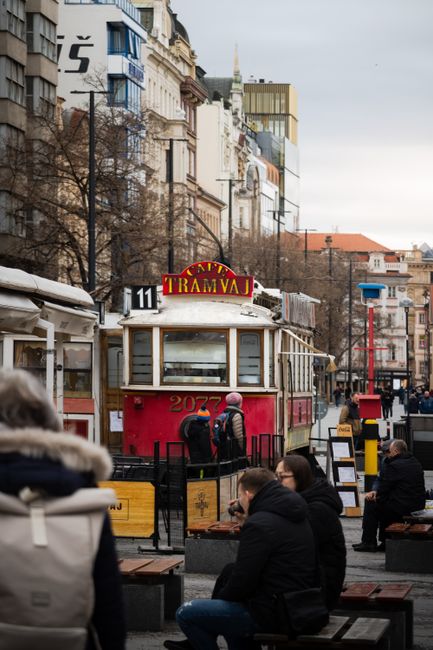
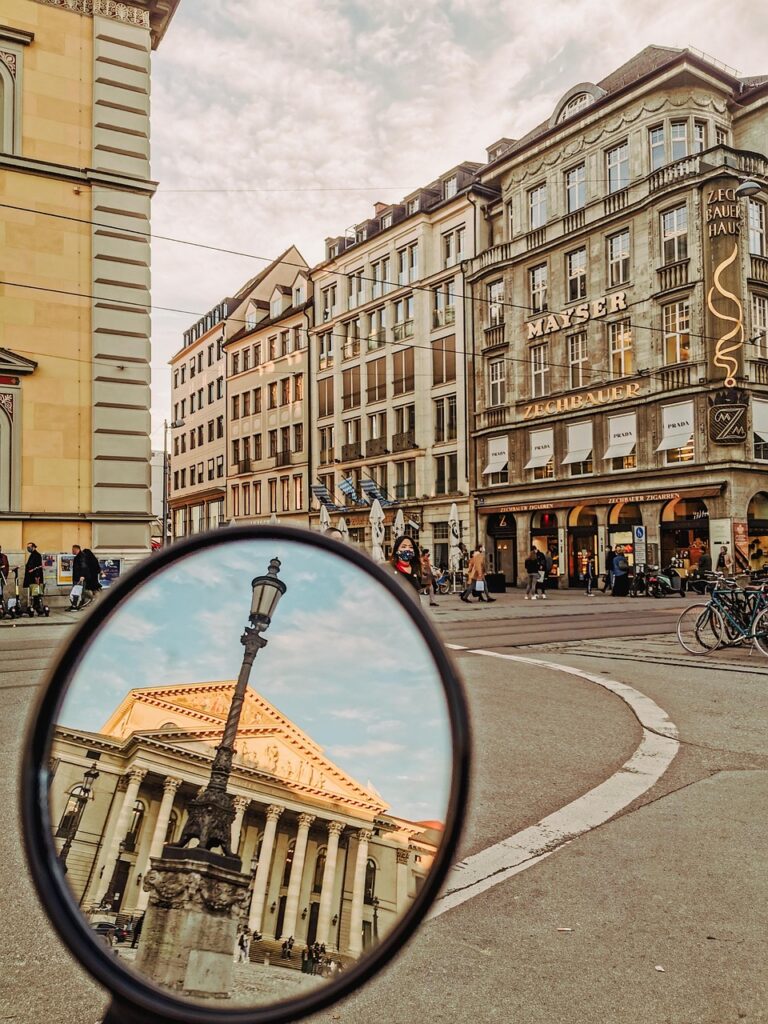
Why write this now? Munich is changing. Pedestrian zones are expanding, historic and popular neighborhoods are drawing a more curious kind of tourism, and mobility policies are pushing to reduce car dependence. In that context, the tram is coming back into the spotlight: it runs on the surface, connects places the subway doesn’t, and gives you time to notice façades, Art Nouveau buildings, neighborhood cafés and open‑air markets. The tram imposes a human pace — it places you in the city instead of whisking you away from it.
This text is aimed at discerning travelers tired of zero‑kilometer itineraries between Marienplatz and Viktualienmarkt. I’ll dismantle the arguments that sell the U‑Bahn as a one‑size‑fits‑all solution, then show, with concrete examples, when and why to pick the tram. I’ll give exact addresses, typical schedules and price ranges (watch for official changes: always double‑check on the MVV website or app), and suggest walkable routes and easy alternatives — with local tips so you don’t waste time.
My tone will be frank but balanced: I acknowledge the metro’s strengths (speed over long distances, high frequency at peak times), while showing the tram isn’t a consolation prize — it’s often the best choice for your plans. You’ll also find practical instructions to avoid tourist traps, ideas to swap a stretch of U‑Bahn for a prettier and sometimes faster tram ride, and concrete recommendations (names, addresses, typical opening times and indicative prices) so you can put this change into practice right away.
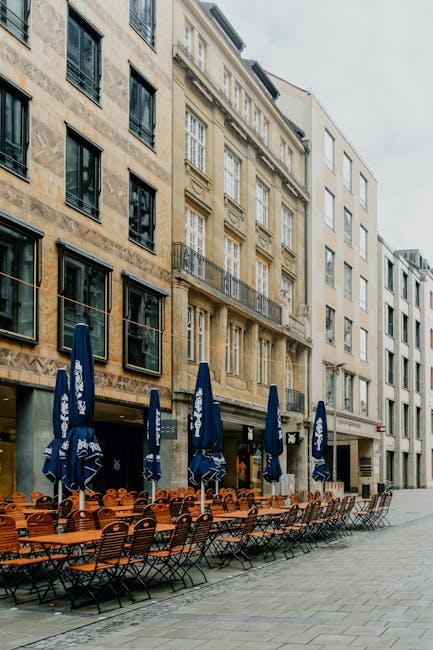
1) Myth: “The U‑Bahn is always faster” — Reality: speed ≠ efficiency
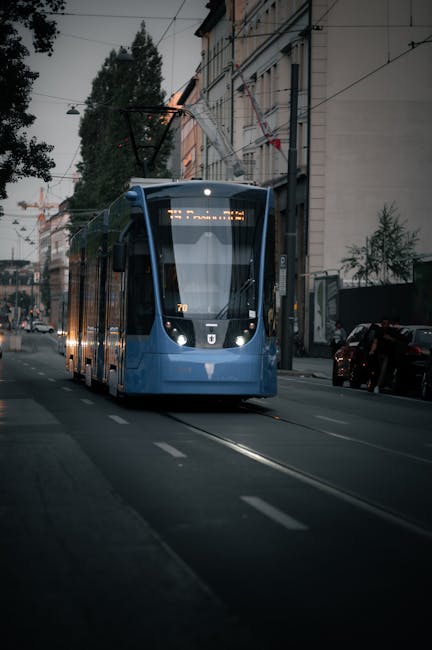
People often say, “take the subway, it’s faster.” That’s true… if both your point A and point B sit on the same direct underground line. But total travel time includes more than the ride itself: walking to the station, escalators/elevators, waiting for connections, time to surface exits, and sometimes long walks from the station to your final destination. Because it runs on the surface, the tram cuts these extra bits. You step on almost at street level and often step off just meters from your café, museum or shop. In the city, that proximity is what matters.
Another key point: transfers. Munich has a well‑designed transport network, but underground transfers can be long. Many tram lines serve neighborhoods directly without a switch. When you’re traveling with luggage, a stroller or someone with reduced mobility, avoiding stairs and poorly signed elevators changes everything.
Finally, the idea of perceived speed. Riding in a tram carriage, seeing the scenery, spotting interesting stops — that’s productive time: you can pick your next stop, choose a restaurant as you pass it, or simply enjoy the urban view. The subway severs you from the city: efficient can also mean dull.
Practical tip: for short inner‑city hops (e.g. between the Deutsches Museum and Haidhausen, or between Gärtnerplatz and Maximilianstraße), always compare tram vs U‑Bahn routes on the MVV app. Often the tram will drop you closer to the entrance than the subway can.
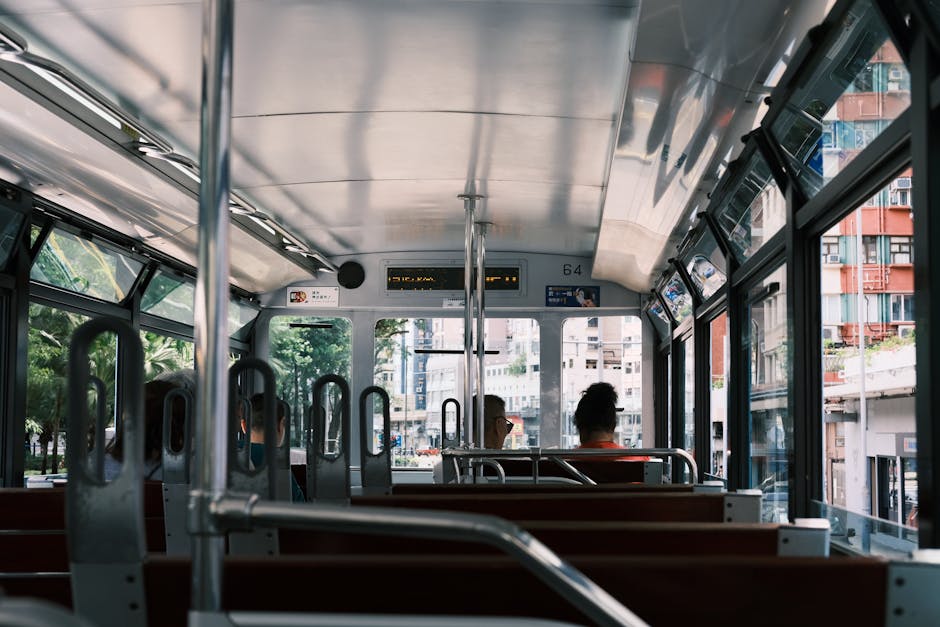
2) Cultural advantage: the tram as an urban observatory and an antidote to mass tourism
If you travel to feel the city — rather than just tick off monuments — the tram is a great immersion tool. On the surface you see everyday architecture, restored façades and slices of local life: a bakery pulling out fresh Brezn (pretzels), a neighborhood market, a club prepping for the night. These details disappear once you go underground.
The tram often cuts through pockets of authentic life: Haidhausen with its cafés and bookshops, Schwabing with its bohemian boutiques, Gärtnerplatz with its cultural scene and bars. Where the U‑Bahn drops you dead center and funnels you into overcrowded itineraries, the tram lets you explore the edges of the center — where locals actually live. Photographers, walkers and anyone avoiding tourist crowds will appreciate it.
Concrete example of an immersive route: start your morning at the Standl café in Viktualienmarkt (Viktualienmarkt 3, 80331 München), walk to the nearest tram stop and take a tram toward Gärtnerplatz. Get off near Gärtnerplatz (Gärtnerplatztheater, Müllerstraße 1, 80469 München) and wander the side streets, stop for coffee and watch local life unfold. You won’t have wasted time on underground transfers and you’ll have gained a much richer local experience.
Local tip: favor tram rides during quiet hours (10:00–16:00) to enjoy less crowded cars and nicer light for photographing façades. In the evening, some stretches remain lively, with small venues and performances easily accessible from a tram stop.
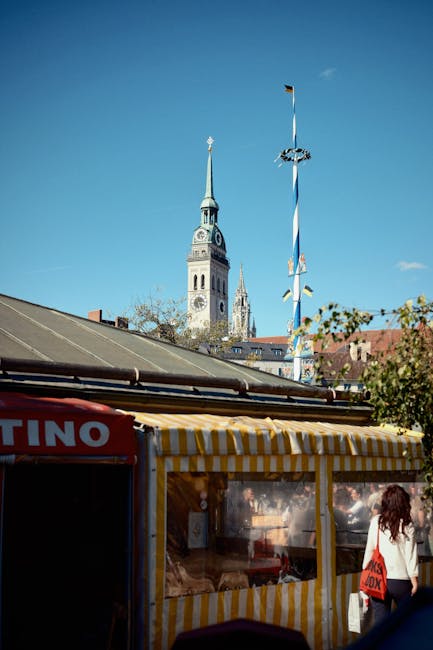
3) Accessibility and comfort: the tram is friendlier to luggage, strollers and cyclists
A practical reality: boarding and exiting a tram is generally easier than using the U‑Bahn. Munich’s modern trams are low‑floor, making access simpler for strollers, wheelchair users and travelers with luggage. Tram stops are at street level or reachable by a small platform — no long stairways or elevators that often break down.
For cyclists, the tram helps with intermodal travel: many stops have places to park a bike, and it’s often easier to ride a few minutes to a tram stop than to navigate subway transfer halls with a bicycle. If you arrive with large suitcases and want to avoid a taxi, taking the tram can put you much closer to your accommodation without wrestling with stairs.
Concrete alternative: if you arrive at München Hauptbahnhof (Bayerstraße 10A, 80335 München) by S‑Bahn or regional train with a suitcase, instead of heading straight down into the U‑Bahn for a connection, walk 5–10 minutes to the most convenient surface tram line for your neighborhood — the short walk will save you escalators and waiting time. Check with the Tourist Info (München Tourist Info, Bahnhofplatz 2, 80335 München) for the best tram connection from the station.
Typical schedules and fares (indicative): a single MVV ticket in zone M costs about €3.60 (standard fare, confirm with official updates), while a Tageskarte (day ticket, zone M) is around €8–9; the tram and U‑Bahn use the same tickets. Trams generally run from about 4:30 AM until 1:30 AM, with night services and night buses on some routes; peak frequency can be 7–10 minutes, daytime 10–20 minutes depending on the line.
Tip: buy your MVV ticket via the MVV app or the yellow ticket machines at stops. Check the validity for MVV zones: the same ticket covers U‑Bahn, S‑Bahn, tram and bus.
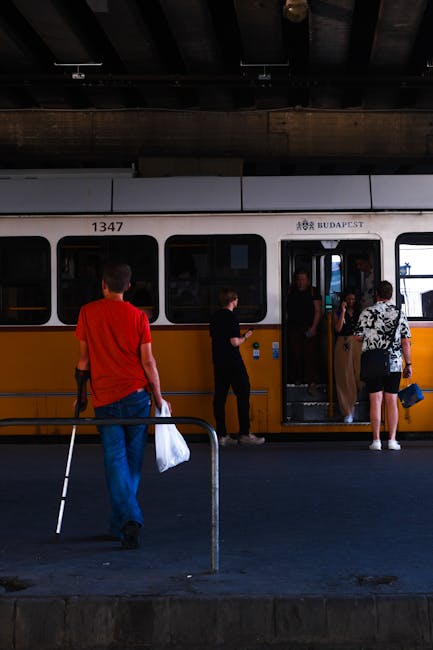
4) Concrete routes and swaps: how to smartly replace U‑Bahn segments with tram rides
Rather than theorize, here are practical alternatives — routes and specific places where the tram often outperforms the U‑Bahn. Each suggestion includes an address, typical hours and on‑the‑ground tips.
-
From the old town to Haidhausen (culture, cafés, views of the Isar)
Alternative: take a tram from the central zone toward Gasteig / Rosenheimer Platz.
Recommended spot: Gasteig HP8, Rosenheimer Str. 5, 81667 München — cultural center and municipal library. Hours: generally open Monday–Saturday, 9:00–20:00 (exhibitions and library hours vary). Price: library access is free; exhibitions and concerts vary (concerts €8–€40 depending on the event). Why the tram: Gasteig is immediately near tram and S‑Bahn stops; surface entry makes it easier to reach the gardens and riverside terraces. -
Getting to the Deutsches Museum from the center
Alternative: take a tram along the riverbank rather than doing multiple U‑Bahn transfers.
Recommended spot: Deutsches Museum, Museumsinsel 1, 80538 München. Hours: typically 9:00–17:00 (check special dates). Price: adults around €14–€20 depending on exhibitions; discounts for students/children available. Why the tram: there’s a tram stop close to the museum and boarding without stairs; you’ll also enjoy the riverside walk. -
Nocturnal exploration / local nightlife: Gärtnerplatz and surroundings
Alternative: prioritize surface routes via tram and wander the lanes instead of surfacing into an overcrowded Marienplatz.
Recommended spot: Gärtnerplatztheater, Müllerstraße 1, 80469 München. Hours: evening performances vary; check the box office. Price: theatre tickets €12–€60 depending on the show. Why the tram: tram stops around Gärtnerplatz place you at the heart of the local scene. -
Werksviertel‑Mitte / Ostbahnhof — contemporary culture and street food
Alternative: cross the river on surface routes via tram and S‑Bahn rather than a long underground ride.
Recommended spot: Werksviertel‑Mitte, Grafinger Str. 6, 81671 München (creative quarter, concert venues and street food). Hours: shops and markets vary; public spaces open day and night. Price: neighborhood access is free, events priced per program. Why the tram: the area is well connected and pleasant to explore on foot from surface stops.
These examples illustrate a constant: where the U‑Bahn rushes you through, the tram places you. The same MVV tickets apply, and often you’ll save time without sacrificing comfort.
Conclusion — Choose the experience over the line: the tram is the key to a richer discovery
If you’ve read this far, you’ve grasped the main idea: the U‑Bahn isn’t inherently bad, but the reflexive “metro first” attitude robs you of an important slice of Munich’s urban experience. The tram offers street‑level proximity, panoramic views, better accessibility and often a superior ergonomics for short transfers. It also encourages discovering less “Instagrammed” and more lively neighborhoods, away from mass tourist flows.
My practical advice: don’t ban the U‑Bahn. Use it for fast, long distances. But for inner‑city trips, transfers to cultural neighborhoods (Haidhausen, Gärtnerplatz, Schwabing, Werksviertel‑Mitte) and journeys with luggage or strollers, routinely check the tram option. Before you head out for the day, open the MVV app, compare door‑to‑door times, and see if a tram segment eliminates an underground transfer. You might be surprised to save time and gain quality in your travel.
Finally, for travelers looking to escape the checklist sightseeing mindset, lifting your head from the subway to watch the city from a tram seat is almost a political act: it’s choosing productive slowness, observation and openness to discovery. Munich tells its story best at street level. The tram is one of the best guides you can pick — discreet, affordable and human.