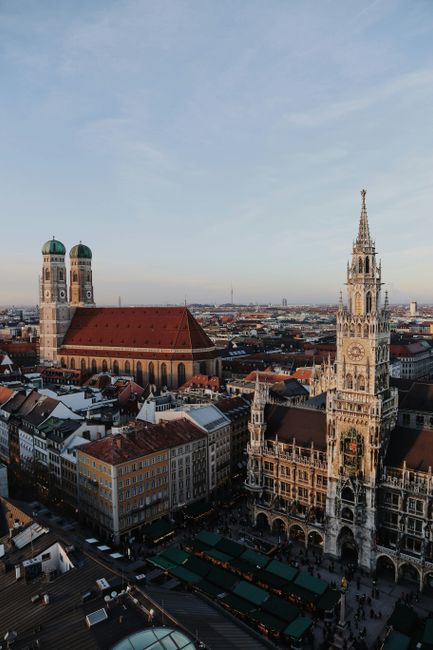






Introduction — Settling in Munich: Anmeldung, bank accounts and insurance explained step by step
Munich (München), the lively capital of Bavaria, draws thousands of students, professionals and families every year attracted by a high quality of life, a stable job market and a rich cultural scene. But before you can enjoy beer gardens, green spaces like the Englischer Garten or the city’s museums, there are three essential administrative tasks to take care of: registering your address (Anmeldung) with the city, opening a bank account and getting insurance (health insurance and, if needed, liability or household insurance). This practical guide for newcomers to Munich walks you through each step with precise addresses, typical opening hours, estimated costs and local tips. It also covers modern alternatives (online banks, private insurers), common pitfalls and the documents you’ll need to prepare.
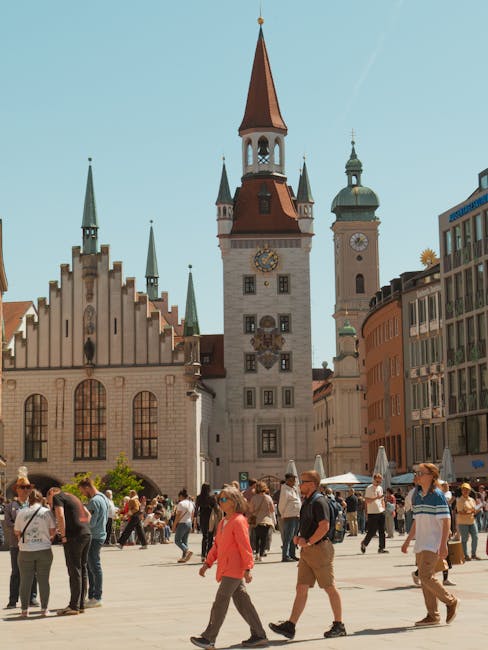
Registering your address (Anmeldung) is often the very first formality. Without this official registration you can’t get a tax ID (Steueridentifikationsnummer), sign a mobile phone contract, or open a current account at a German bank. The Anmeldung is usually done at the Bürgerbüro / Einwohnermeldeamt of the city (Kreisverwaltungsreferat — KVR in Munich). The process is quick if you have all the necessary documents (completed form, ID, signed rental contract or a landlord confirmation known as the Bestätigung des Vermieters). If you move frequently or arrive into shared housing there are specific procedures and additional forms (Wohnungsgeberbestätigung).

Opening a bank account (Girokonto) can be done in branch or online. Munich hosts all the major banks: Deutsche Bank, Commerzbank, HypoVereinsbank (UniCredit), Sparkasse München, as well as neobanks like N26 and Revolut that offer fast, fully digital account opening. Depending on your situation (employee, student, freelancer), some banks will ask for an employment contract, proof of address (Anmeldung) and an ID. Fees vary: free accounts exist (notably at N26, DKB) but watch out for charges on card usage abroad or international transfers.
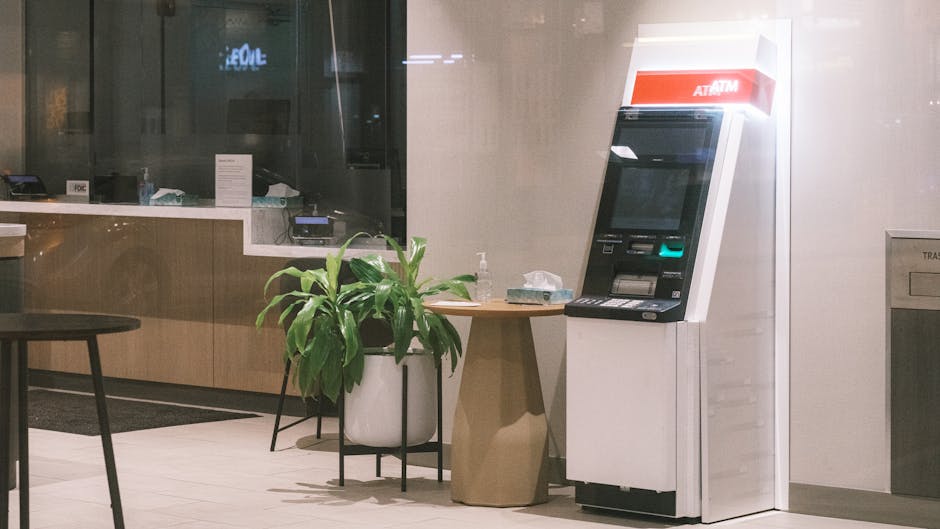
Finally, health insurance is mandatory in Germany. Employees are generally covered by the public system (gesetzliche Krankenversicherung – GKV) with major providers like Techniker Krankenkasse (TK), AOK Bayern, Barmer. Contributions depend on gross salary (roughly 14.6% + an additional contribution around 1.3%, split between employer and employee). Students often get reduced rates. Freelancers can choose between staying in the public system or switching to private health insurance (PKV). In Munich, where living costs are high, it’s essential to compare coverage, co-pay levels and specialist care access.
This detailed guide gives you exact addresses (Bürgerbüro, banks, insurance offices), typical opening hours, indicative prices and practical tips (book appointments online, rental contract requirements, documents needed). The goal: save you time and help you avoid the most common administrative mistakes so your move to Munich is stress-free and you can quickly start enjoying local life.
1) Where to register (Anmeldung) in Munich — steps, offices, addresses and opening hours
The Anmeldung is handled by the Kreisverwaltungsreferat (KVR) — the municipal department responsible for resident registration. In Munich the main office is commonly called the « Bürgerbüro / Einwohnermeldeamt (KVR) ». Main address:
- Kreisverwaltungsreferat (KVR) – Bürgerservice, Ruppertstraße 11, 80337 München
Typical hours (check online before you go): Monday–Friday 08:00–12:00; extended Thursday hours 14:00–18:00. Hours can change by branch and season. Cost: Anmeldung itself is free. If you want a printed Meldebescheinigung (registration certificate) for administrative purposes, expect to pay around €10.00 per copy.
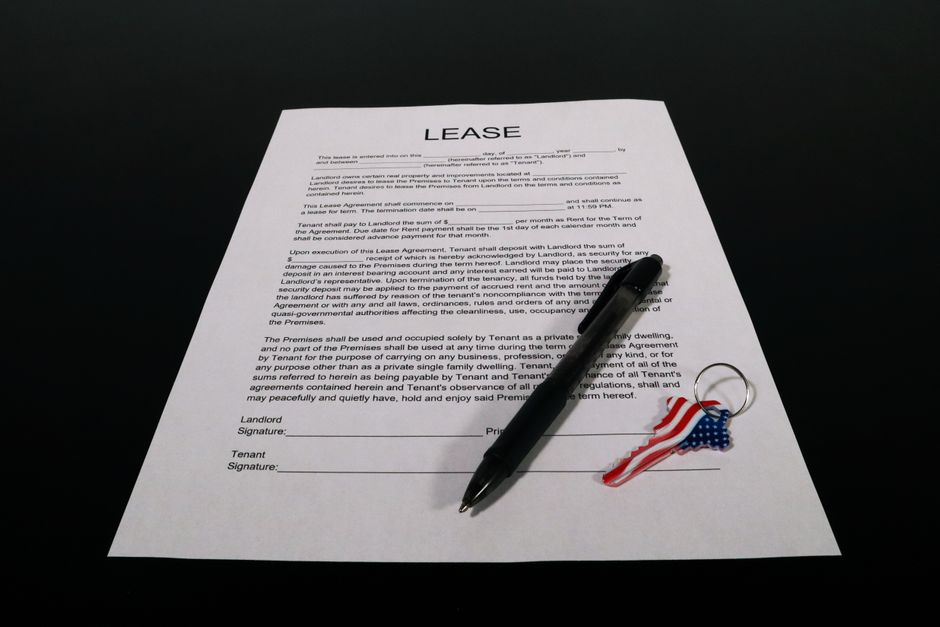
Documents required: ID (passport or ID card), completed Anmeldung form (Anmeldeformular), and the Wohnungsgeberbestätigung (landlord’s confirmation) signed by your landlord. For shared flats, each flatmate must provide their own Wohnungsgeberbestätigung. If you arrive from abroad, note that your Steueridentifikationsnummer will usually be sent to you automatically after registration in Germany; if not, you can request an extract. Practical tips: book an appointment (Termin) online via the City of Munich’s official website to avoid long queues; arrive 10–15 minutes early with copies of your documents and bring a pen.
Decentralized offices: there are several Bürgerbüros across districts (Bezirksämter) with often more flexible hours. Examples:
- Bürgerbüro Sendling, Plinganserstraße 6, 81369 München — variable hours, often open Thursday evenings.
- Bürgerbüro Schwabing-Freimann, Leopoldstraße 27, 80802 München — convenient if you live in the north.
These offices also handle change-of-address requests (Ummeldung) and issue certificates for vehicle registration or electoral roll registration. When registering, double-check the spelling of your name and your birth date: a mistake can complicate future procedures at university, with tax authorities or social security.
2) Opening a bank account in Munich — banks, addresses, documents and costs
Opening a bank account (Girokonto) is crucial to receive salary, pay rent by direct debit and sign up for services. In Munich you’ll find national and international banks as well as fully digital options. Here are some useful addresses and practical details:
- Deutsche Bank – Filiale München Hauptbahnhof, Bahnhofplatz 1, 80335 München. Hours: Mon–Fri 09:00–18:00, Sat 09:00–13:00. Current account fees: variable (0–€9.90/month depending on package).
- Commerzbank – Filiale München, Arnulfstraße 1, 80335 München. Hours: Mon–Fri 09:00–17:30. Student and employee offers sometimes free of charge.
- Sparkasse München – Hauptstelle, Sparkassenstraße 2, 80331 München. Hours: Mon–Fri 09:00–16:00. Fees depend on plan, often €0–6/month for young customers.
- N26 (neobank) – 100% online account opening via app (Mastercard included). Fees: standard account free, paid options from €4.90/month.
- DKB – Online bank (for residents with a German address): free with usage conditions (no foreign transaction fees for active customers).

Documents usually required: ID, proof of address (Anmeldung) or rental contract, sometimes proof of income (Arbeitsvertrag) or a student certificate. For newcomers who haven’t yet completed their Anmeldung, some banks (notably neobanks like N26) allow account opening with a passport and a temporary address proof, but full activation may require the Anmeldung later.
Costs and tips: compare the type of card included (debit/credit), ATM withdrawal fees outside the bank’s network, SEPA and international transfer charges. If you travel frequently, a card with no foreign fees (DKB, N26 You, Revolut) can save you a lot. For salary payments, check whether the bank offers SEPA direct debit (SEPA-Lastschrift) for rent and useful online tools (Mobile TAN, push notifications).
Local tip: if you prefer in-person service, pick a branch near the main train station (Hauptbahnhof) or in your neighborhood (Schwabing, Maxvorstadt, Haidhausen). Major banks often have extended hours and let you book appointments online to cut waiting times. Finally, keep all confirmations (IBAN, activated card) for rental procedures and public service registrations.
3) Choosing insurance in Munich — health, liability, household: addresses and costs
In Germany, health insurance is mandatory. Several public and private providers have local offices in Munich. Here are some organizations and useful addresses:
- Techniker Krankenkasse (TK) – Geschäftsstelle München, Mariahilfplatz 11, 80331 München. Hours: Mon–Fri 08:00–16:00. Contributions: about 14.6% of gross salary + average additional contribution 1.3% (employee share ≈ 7.3% + 0.65%), variable by income.
- AOK Bayern – Servicezentrum München, Hansastraße 32, 80686 München. Hours: Mon–Fri 08:00–16:00. AOK offers services for families and students, rates vary by income.
- Barmer – Geschäftsstelle München, Rosenheimer Str. 123, 81669 München. Hours: Mon–Fri 08:00–16:00. Offers and coverage similar to other public funds.
- Allianz Care – Büro München, Königinstraße 28, 80802 München (private and international insurance). Private rates vary widely by age and coverage (examples €250–€800/month for a full PKV plan).
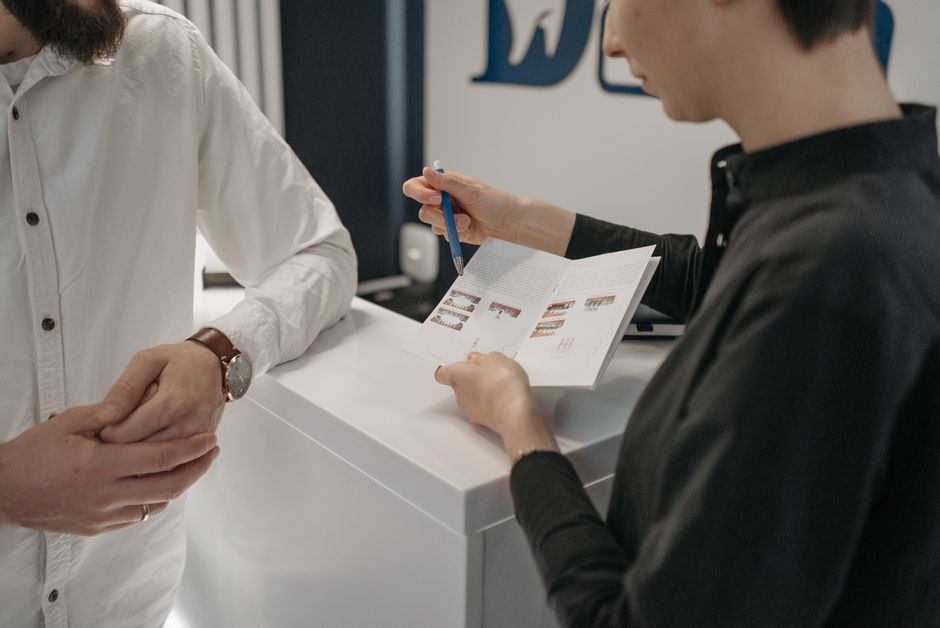
Public vs private: employees earning below the private insurance threshold (Versicherungspflichtgrenze, annually adjusted) generally must join a public health fund (GKV). Freelancers and high earners above the threshold can opt for private health insurance (PKV). Private plans can offer faster access to certain specialists and extra benefits, but premiums may rise with age. International students have special rates (often €80–€120/month with public student insurance or private student options starting around €30–€50/month depending on coverage). Always request a written quote.

Supplementary insurance: personal liability (Haftpflichtversicherung) and household contents insurance (Hausratversicherung) are highly recommended. Indicative costs: Haftpflicht ≈ €3–€10/month, Hausrat ≈ €5–€15/month depending on apartment size and contents value. These policies cover third-party damages, water damage, theft and breakage. Local insurers with branches in central neighborhoods (Maxvorstadt, Schwabing, Ludwigsvorstadt) include Allianz, AXA, HUK-COBURG.
Practical tips: keep a copy of your insurance card (Krankenversicherungskarte), note emergency and customer service numbers (including English-language support if needed). When choosing between public and private, always ask for premium simulations at 10, 20 and 30 years to understand how costs might evolve. Most insurers accept online registration but may require your Anmeldung to finalize coverage.
4) Practical tips, checklist and mistakes to avoid when moving to Munich
Munich runs a strict, rule-based bureaucracy: good preparation and organization will save you time. Here’s a practical checklist and common mistakes to avoid:
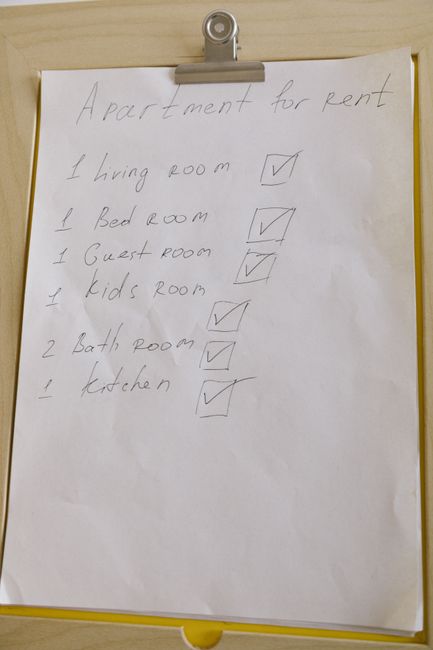
- Before you leave: print your documents (passport, employment contract or admission letter, CV, degree copies if needed).
- First day: go to the apartment, get the Wohnungsgeberbestätigung signed by the landlord, book an online appointment at the Bürgerbüro for your Anmeldung.
- Open a bank account: if possible pick a bank that allows online opening (N26, DKB) to save time; otherwise book a branch appointment.
- Health insurance: register with a public fund as soon as you have an employment contract; freelancers should compare PKV vs GKV with a broker.
- Language: many municipal services offer English support, but learning basic German will speed things up and make appointments easier.

Frequent mistakes: arriving without a Wohnungsgeberbestätigung (registration denied), underestimating the time to receive your insurance card, not checking bank fees for international payments, forgetting to inform your bank/insurer when you change address. To save money: look for free accounts for students or young people, compare insurance rates and ask for multi-year quotes. Always ask for written confirmations and keep all receipts — German administration may ask for proof months after you completed a procedure.

If you’re unsure, expat services, local Facebook groups (expats Munich) and university international offices are excellent resources. Use the key German terms in your searches: Anmeldung (registration), Meldebescheinigung (registration certificate), Wohnungsgeberbestätigung (landlord confirmation), Girokonto (current account), Krankenversicherung (health insurance), Haftpflicht (liability). With good preparation your move to Munich will go smoothly and you’ll soon enjoy the city’s cultural life and economic dynamism.
Conclusion — Settling in Munich: planning, documents and time-saving tips
Moving to Munich requires completing three unavoidable administrative steps: the Anmeldung at the Bürgerbüro, opening a bank account and taking out insurance. Each step has its own documentation requirements and local nuances. The Anmeldung is the keystone: without it many other services remain out of reach. The KVR Bürgerbüro on Ruppertstraße (and district offices) will provide your Meldebescheinigung, which is essential for your bank account and insurance. Opening an account can be quick, especially if you choose an online bank, but pick a provider based on your needs (fees, access, English service).

Health insurance requires special attention — the German system is robust but complex; the difference between GKV and PKV can have a major long-term financial impact. Also consider supplementary policies (liability, household) which for a modest cost protect your belongings and liability. Bring the correct documents, book appointments online when possible, and don’t hesitate to consult advisors or expat support services to avoid mistakes. Keep written records of all actions (emails, confirmations, receipts): in Germany paperwork often makes life easier when you need proof.

In short: prepare your documents, schedule your appointments, compare banking and insurance offers, and don’t underestimate the importance of the Anmeldung. With good organization these formalities can be completed in a few days and will let you enjoy Munich’s cafes, markets, parks and cultural scene. Viel Erfolg — good luck settling in!