





Introduction — Understanding Munich’s S‑Bahn and U‑Bahn: why this guide helps
Munich has a public transport system that’s both efficient and, at first glance, a little intimidating for visitors. Two main rail networks serve the Bavarian metropolis: the S‑Bahn (Schnellbahn or suburban trains) and the U‑Bahn (Underground). To outsiders they can look similar, but they serve different purposes: the S‑Bahn links the city center with suburbs and the airport, while the U‑Bahn provides dense, frequent coverage across the central districts and north/south corridors. This practical guide explains when to choose one over the other, how to buy tickets, which journeys to favor depending on your needs, and local tips to save time and travel more comfortably.
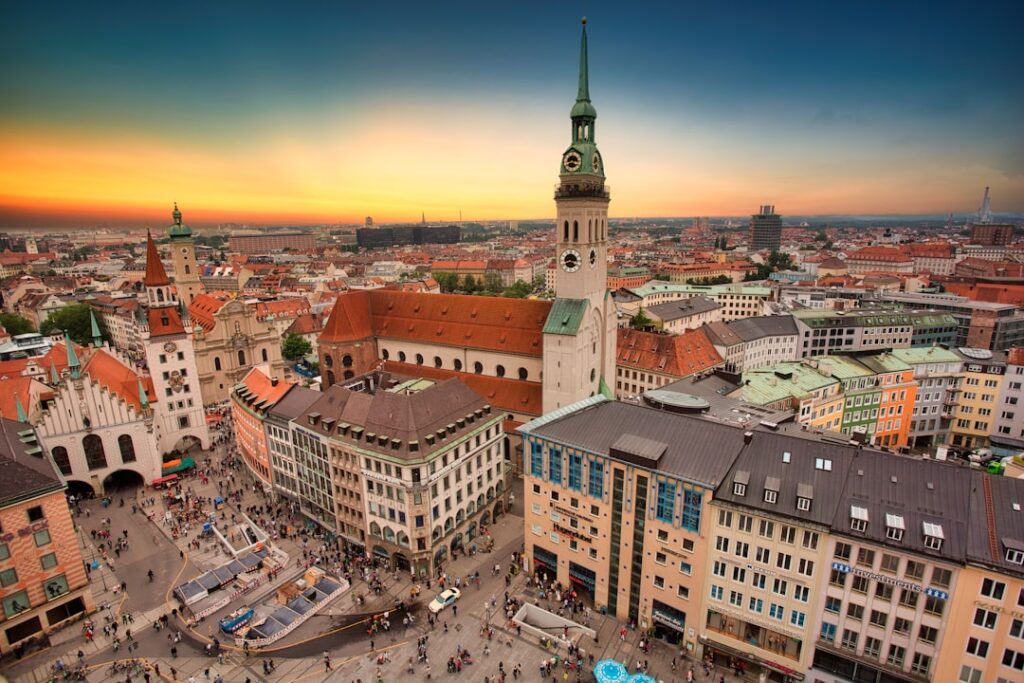
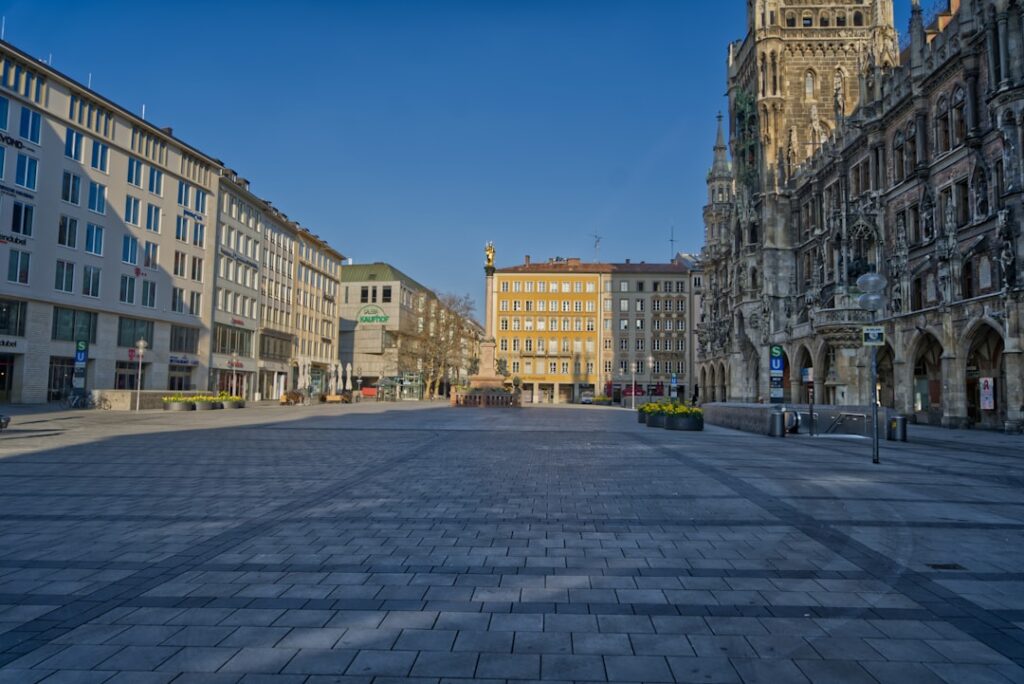
The S‑Bahn is part of the regional MVV network (Münchner Verkehrs‑ und Tarifverbund) and runs lines labelled with S plus a number (S1 to S8). It mostly runs on surface tracks and viaducts, serving major stations like München Hauptbahnhof (main station), Ostbahnhof and the airport link to Flughafen München (Franz Josef Strauß Airport, Nordallee 25, 85356 München) via lines S1 and S8. The U‑Bahn, operated by Münchner Verkehrsgesellschaft (MVG) within the same MVV fare system, is marked by U (U1–U8) and runs mainly underground in the historic center, stopping at stations such as Marienplatz (Marienplatz, 80331 München), Sendlinger Tor (Sendlinger‑Tor‑Platz, 80336 München) and Königsplatz (Königsplatz 1, 80333 München).
This guide takes a hands‑on approach: exact addresses for key stations, general timetables, sample MVV fares in euros, immersive descriptions of typical journeys (for example Hauptbahnhof → Marienplatz, Hauptbahnhof → Flughafen München), and local tips (ticket validation, rush hours, best lines for specific sights). It also offers precautions: how to handle luggage at the airport, when a taxi makes sense, and how to combine S‑Bahn and U‑Bahn for the most efficient route. Fare information is indicative (MVV rates current in 2024); always double‑check MVV.de or the MVG Fahrinfo app for real‑time updates. The guide is aimed at independent travelers, families, business visitors and short‑stay tourists so everyone can quickly decide whether to hop on an S or a U depending on where they’re coming from, where they’re going and what they value most (speed, frequency, comfort, connections).
When to take the S‑Bahn: longer journeys, airport links and the suburbs
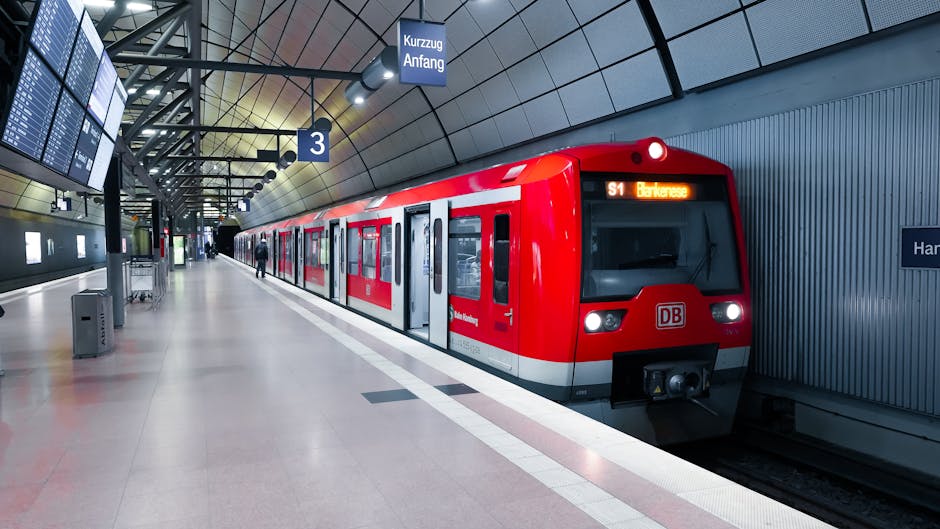
The S‑Bahn is your best bet when you’re traveling from central Munich to the outskirts, regional stations or the airport. Key features: longer trains, fewer stops, and higher speeds on out-of-town stretches. Major S lines (S1–S8) converge on the Stammstrecke, a central tunnel that runs west–east through Munich with major stops like München Hauptbahnhof (Bayerstraße 10, 80335 München), Marienplatz (80331 München) and Ostbahnhof (Willy‑Brandt‑Platz 1, 81667 München).
Timetable and frequency: during the day, most S lines run every 10–20 minutes through the Stammstrecke. Airport connections (S1 and S8 to Flughafen München, Nordallee 25, 85356 München) generally operate about every 20 minutes. First trains usually start around 04:00–05:00 and regular service winds down around 01:00–01:30; night S‑Bahn services (Nacht‑S‑Bahn) run on some weekend nights and holiday eves but with reduced frequency — check Deutsche Bahn (DB) and MVV for exact schedules.
Price and tickets: most trips within the metro area are priced by MVV zones. Indicative fares (2024): Kurzstrecke (short trip) ≈ €2.00, single ticket Zone M (central zone) ≈ €3.50, Tageskarte Einzelperson Zone M (day ticket for one person) ≈ €8.00. If you’re heading to the airport from the center you may need a Zone M + Flughafen ticket if your journey crosses zone boundaries, sometimes with a small surcharge — always confirm before boarding. Buy tickets at MVV machines in stations, via the MVG Fahrinfo / MVV app, or at some ticket counters in Hauptbahnhof (Bayerstraße 10, 80335 München).
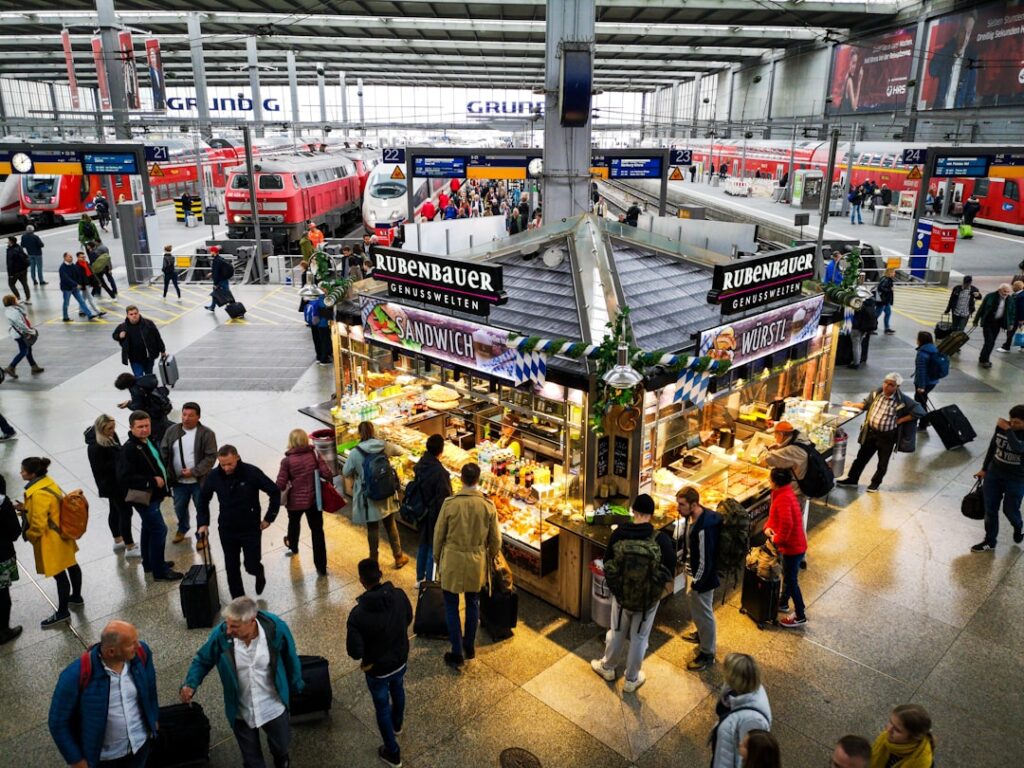
Practical example: arriving at München Hauptbahnhof (Bayerstraße 10) with luggage — take the S8 if you’re heading east of the center, or the S1 for a direct northeast route to Flughafen München (journey time 20–45 minutes depending on the line). Prefer the S‑Bahn for attractions like the Olympic Park (Olympiapark, Spiridon‑Louis‑Ring, 80809 München — served by S8/Station Olympiazentrum) or the Allianz Arena (Werner‑Heisenberg‑Allee 25, 80939 München — reach via Fröttmaning S‑Bahn station on S8/S1 depending on schedules).
When to take the U‑Bahn: inner‑city trips, frequency and convenience
The U‑Bahn is Munich’s underground metro, perfect for getting around the city center and moving quickly between dense neighborhoods. Lines U1–U8 cover the historic center, shopping districts and major transfer hubs like Sendlinger Tor (Sendlinger‑Tor‑Platz, 80336 München) and Hauptbahnhof (München Hauptbahnhof, Bayerstraße 10, 80335 München). Trains are shorter than S‑Bahn units but run very frequently — expect services every 3–8 minutes on central sections during the day.
Timetable and frequency: the U‑Bahn typically runs from 04:00–01:00 daily, with additional night services on Fridays, Saturdays and holiday eves on certain lines (Nacht‑U‑Bahn). Central lines (U1, U2, U3, U6) are especially frequent during morning and evening peaks. If your accommodation is in neighborhoods like Schwabing (Giselastrasse near the Englischer Garten), Maxvorstadt (near museums and Königsplatz) or the Gärtnerplatz/Isar area to the south, the U‑Bahn is often the fastest and most convenient option.
Price and tickets: the MVV fare system is the same — a Zone M ticket covers most inner‑city trips. Indicative fares (2024): Kurzstrecke ≈ €2.00 (up to 4 stops), single ticket Zone M ≈ €3.50. For a short U‑Bahn ride like Marienplatz → Sendlinger Tor (Marienplatz, 80331 München → Sendlinger‑Tor‑Platz, 80336 München) a single Zone M ticket is enough. Ticket machines are on every U‑Bahn platform and accept cash and cards; the MVG app also lets you buy and validate tickets electronically.
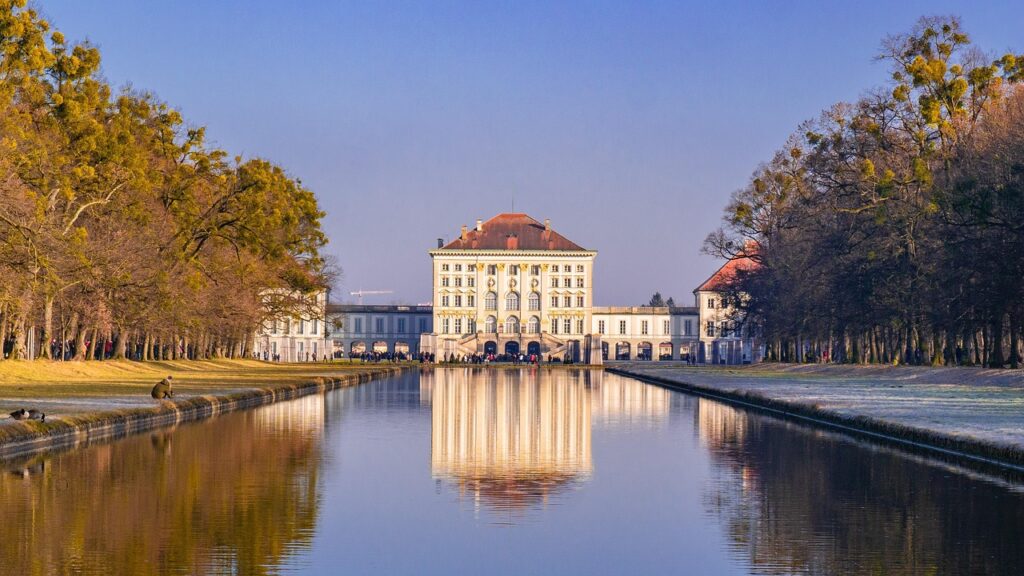
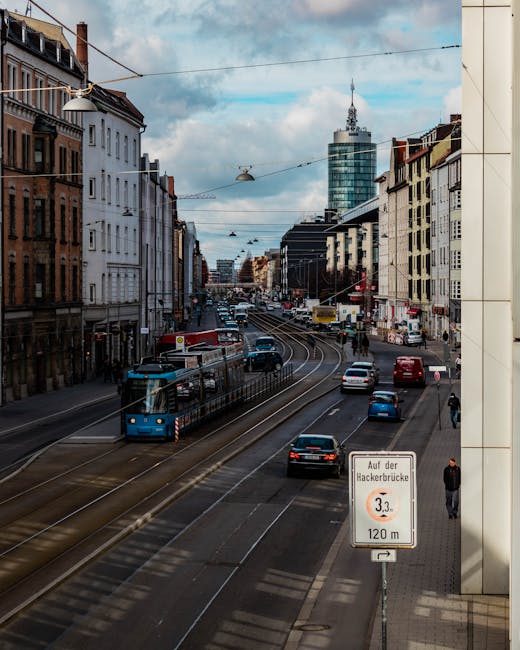
Practical example: from Marienplatz (Marienplatz, 80331 München) to Schloss Nymphenburg (Schloss Nymphenburg 1, 80638 München) you’ll typically combine U‑Bahn and tram/bus: take the U1 to Maillingerstraße/Westendstraße then switch to bus 51 or tram 17 depending on the route, or use the S‑Bahn to Donnersberger Brücke and continue by bus. For a night out in the Glockenbach neighborhood (Gärtnerplatz) the U‑Bahn drops you close to Sendlinger Tor (80336 München) or Fraunhoferstraße (80290 München), just steps from bars and restaurants.
Practical tips, transfers and pitfalls to avoid
Plan your connections: S‑Bahn and U‑Bahn intersect at major hubs (München Hauptbahnhof, Marienplatz, Karlsplatz/Stachus). If you have lots of luggage, favor the S‑Bahn where stations are above ground and typically have more elevators and space; central U‑Bahn stations can have stairs and narrow platforms during peak hours. Always check the destination displayed on the board: a U or S line can split into branches, for instance S2 towards Dachau vs S2 towards Petershausen — make sure you board the train showing your specific destination.
Validation and inspections: MVV tickets must be purchased before boarding. There are usually no turnstiles in many stations, but random inspections are common and fines apply — keep your ticket until you exit. For visitors, the MVG Fahrinfo / MVV Ticket app lets you buy, store and validate tickets without using a machine. If you’re traveling as a group or family consider a GruppenTageskarte (group day ticket), which is often economical for 2–5 people (price varies, typically €12–€15 in Zone M — check current rates).
Rush hours and comfort: morning (07:00–09:00) and late afternoon (16:00–18:30) are busy — avoid lugging large suitcases during these times. Airport S‑Bahn trains can be crowded around peak flight arrival times (07:00–10:00 and 17:00–20:00). If you have heavy luggage, consider a taxi from Hauptbahnhof (pick‑up at Bayerstraße 10, 80335 München): trip to Flughafen München ≈ 35–50 minutes, fare ≈ €60–€80 depending on traffic.
Conclusion — Key takeaways and practical recommendations
In short: take the S‑Bahn when your journey heads to the outskirts, when arriving or departing from Franz Josef Strauß Airport (Flughafen München, Nordallee 25, 85356 München), or for longer regional trips. Choose the U‑Bahn for fast inner‑city travel to museums, restaurants and dense shopping districts (Marienplatz, Sendlinger Tor, Königsplatz). Both systems are integrated under the MVV fare network — buy your ticket before boarding (machines in stations, MVG/MVV apps) and keep it until the end of your trip to avoid fines.
Final practical tips: 1) download the MVG Fahrinfo / MVV app for real‑time schedules and ticket purchases; 2) always check platform displays for the train’s exact destination (avoid unexpected branches); 3) prefer the S‑Bahn for luggage and trips to nearby towns, the U‑Bahn for frequency and speed in the center; 4) if traveling in a group, look into the GruppenTageskarte to save money; 5) for very early or late flights plan your airport transfer accordingly (S1/S8 run regularly, taxis available at Hauptbahnhof).
Munich offers a reliable and relatively straightforward public transport network once you understand the core difference between S‑Bahn and U‑Bahn. With the key transfer hubs (München Hauptbahnhof, Bayerstraße 10, 80335 München; Marienplatz, 80331 München; Flughafen München, Nordallee 25, 85356 München), approximate schedules and fare tips in mind, you’ll move around smartly, save time and make the most of Munich’s food, museums and green spaces. Safe travels and enjoy the city!