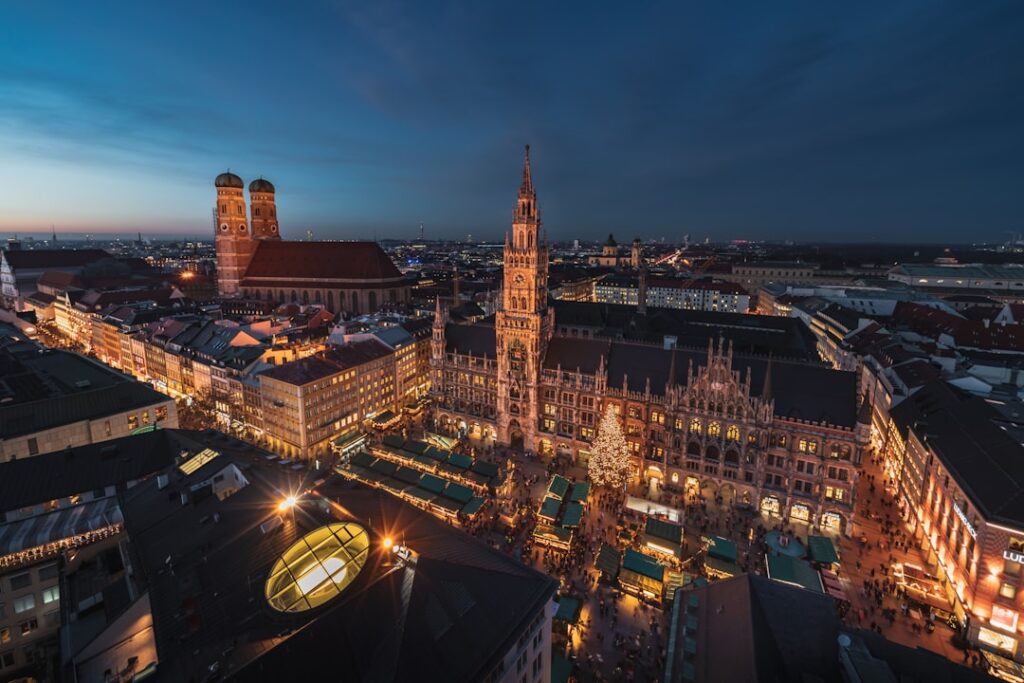





Introduction — Smart ways to get around Munich: S‑Bahn, U‑Bahn and tram
Munich (München) is a city where Bavarian history meets efficient modern life: world‑class museums, lively beer gardens, vast parks and compact shopping districts. For visitors, understanding and using public transport — mainly the S‑Bahn (suburban rail), U‑Bahn (underground metro) and Straßenbahn (tram) — is the key to turning a sightseeing trip into a smooth, rich and budget‑savvy experience. This practical, detailed guide written with travelers in mind will show you how to read maps, buy tickets, pick the most scenic routes and make the most of your time so you can see the highlights without the stress.
Munich’s public transport system is coordinated by the MVV (Münchner Verkehrs‑ und Tarifverbund). The network combines suburban trains, metro lines, trams and buses with frequent services and central interchange hubs like München Hauptbahnhof (Central Station), Marienplatz, Karlsplatz (Stachus) and Ostbahnhof. This guide gives exact addresses, price ranges in euros, typical schedules and concrete local tips for each transport type. Rather than just listing lines, you’ll learn how to plan trips to must‑see spots: Marienplatz (Marienplatz 1, 80331 München), Deutsches Museum (Museumsinsel 1, 80538 München), Englischer Garten (entrance Chinesischer Turm, Englischer Garten 3, 80538 München), Schloss Nymphenburg (Schloss Nymphenburg 1, 80638 München) and Theresienwiese (Theresienwiese 1, 80339 München), home of Oktoberfest.
We’ll include practical tips (where to validate your ticket, how to use the MVV app, how to avoid rush hours), typical prices (single tickets, Kurzstrecke, Tageskarte/day pass, Munich Card) and indicative schedules (day and night frequencies). You’ll also get immersive recommendations to help you choose between a slow, scenic tram ride along Maximilianstraße and a fast S‑Bahn run to Lake Starnberg or the airport via the S1/S8. Finally, the guide highlights visual and sensory experiences — busy platforms, U‑Bahn station murals, the tram’s clickety‑clack on cobblestones — with photo cues to inspire stops. These tips are designed for both first‑time visitors and repeat travelers looking to optimize travel and discover Munich through its transit network.
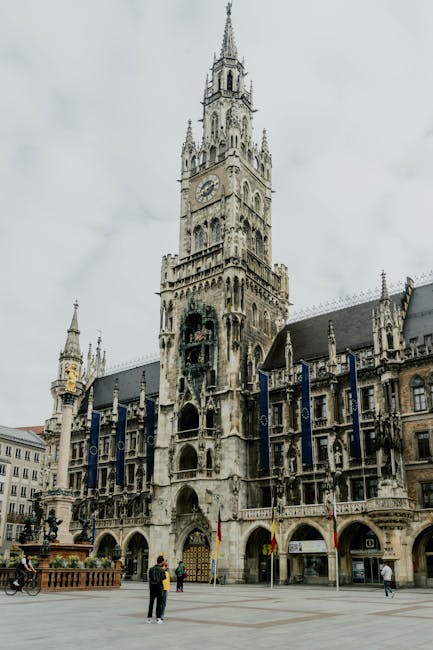
Munich network overview — finding your way and planning trips
The MVV network is organized by zones and modes: S‑Bahn (lines S1–S8), U‑Bahn (lines U1–U8), Straßenbahn (urban trams) and buses. The S‑Bahn are suburban trains serving the wider metropolitan area — including Munich Airport (Flughafen München) via the S1 and S8 lines — while the U‑Bahn covers the city center with stops very close to major sights. Trams offer a more panoramic, often more picturesque experience: they run through historic neighborhoods, follow the Isar River and allow you to see the city from street level.
Key addresses to help you orient:
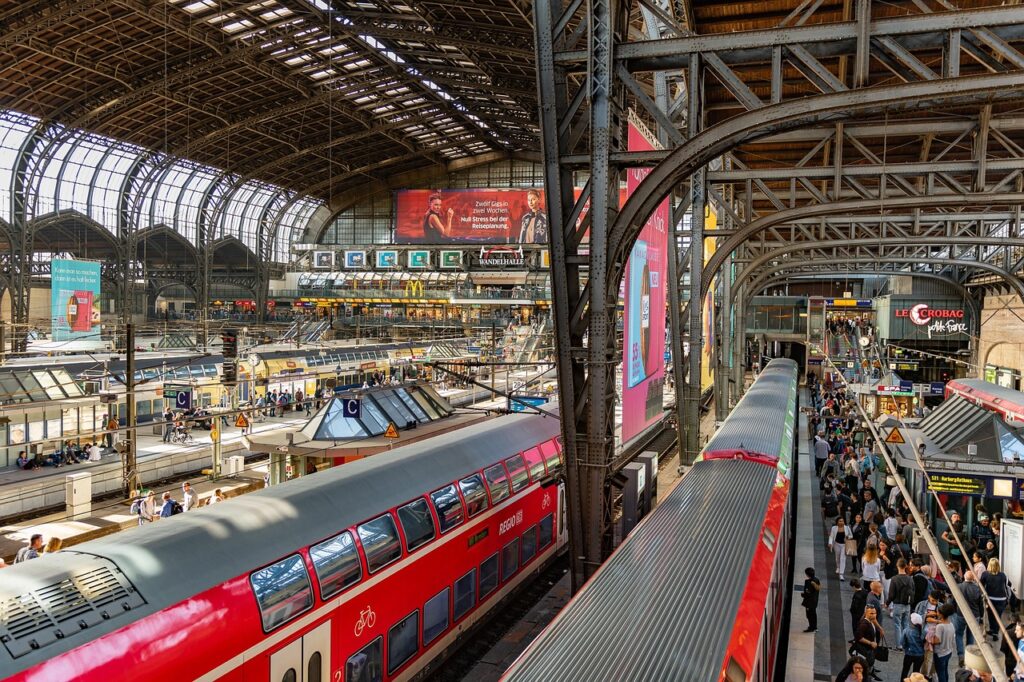
- München Hauptbahnhof — Bayerstraße 10A, 80335 München: major rail hub and interchange for S‑Bahn, U‑Bahn (U1, U2), trams and buses.
- Marienplatz — Marienplatz 1, 80331 München: the tourist heart, served by U‑Bahn (U3, U6) and S‑Bahn (S1–S8) at nearby platforms; a perfect starting point for the old town.
- Ostbahnhof — Ostring 1, 81667 München: gateway for events, markets and regional trains.
Typical hours and frequencies (indicative):
- S‑Bahn: daytime frequencies every 10–20 minutes depending on the line; peak hours offer the best connections (6:00–9:00 and 16:00–19:00). First trains run around 4:00–5:00, last trains around 0:30–1:30; some lines run regular night services on Fridays and Saturdays.
- U‑Bahn: intervals of 3–8 minutes during the day on central routes (notably U3/U6), 5–10 minutes on outer branches; partial 24‑hour services on Friday and Saturday nights depending on line and events.
- Trams: generally every 7–20 minutes during the day; reduced night service, with some trams running until about 1:30.
Tickets and fares (indicative examples — check the MVV site for exact rates and special passes):
- Kurzstrecke (short trip, a few stops): around €2.20.
- Einzelfahrt Innenraum (M) (single ticket zone M): around €3.50.
- Tageskarte Einzeltageskarte Innenraum (single‑day ticket zone M): around €8.80.
- Partner Day Ticket (group up to 5 people): around €15.80 for zone M (indicative).
- Munich CityTour Card / Munich Card: from roughly €13–19 for 1 day, offering discounts at museums and attractions.
Traveling by S‑Bahn — quick links to the airport and suburbs, tourist routes
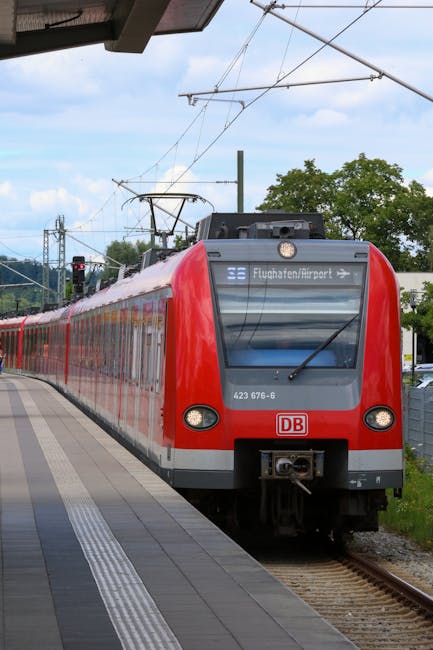
Munich’s S‑Bahn is ideal for fast connections between the city center and the suburbs, and for reaching attractions outside the historic core. Lines S1 and S8 are essential for airport travelers: S1 serves the airport via a slightly more indirect route, while S8 provides a more direct eastern approach. Expect roughly 40–45 minutes from Marienplatz/München Hauptbahnhof to Flughafen München (Address: Nordallee 25, 85356 München). S‑Bahn trains generally run every 10–20 minutes.
Tourist sites reachable by S‑Bahn:
- Deutsches Museum (Museumsinsel 1, 80538 München): get off at Isartor (Isartorplatz) or Rosenheimer Platz and walk 10–15 minutes; great for science and technology collections. Typical opening hours: 9:00–17:00/18:00 depending on season; admission around €14 (student and family discounts available).
- Schloss Nymphenburg (Schloss Nymphenburg 1, 80638 München): take the S‑Bahn to Laim then transfer to a local tram or bus, or alight at the appropriate Nymphenburg stop depending on connections; palace and park usually open 9:00–18:00 (hours vary), combined palace/museum tickets about €11–15.
- Pasing (for shopping and markets): Pasing Bahnhof, on the western extension of the S‑Bahn.
S‑Bahn local tips:
- Validate (validate/compost) your ticket before boarding: yellow validators are on platforms and machines at station entrances. Failure to validate may lead to random checks and fines.
- During off‑peak hours, prefer the S‑Bahn for quicker transfers over trams; the network is more direct and less affected by road traffic.
- If you have luggage for the airport, head for the end carriages which typically have more space and dedicated luggage areas.
Exploring by U‑Bahn — underground speed and access to the historic core
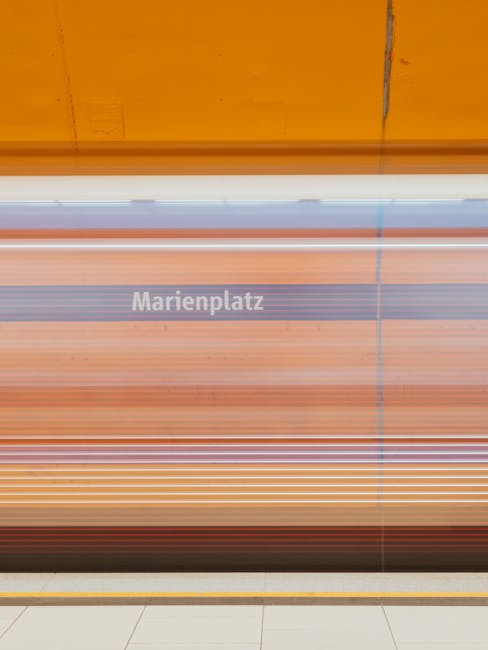
The U‑Bahn is the most convenient system for getting around quickly within Munich. Lines U3 and U6 run north–south through the center, with key stops at Marienplatz (Marienplatz 1, 80331 München), Odeonsplatz (Odeonsplatz 1, 80539 München) and Universität (Schellingstraße 3, 80799 München). Interchanges between U‑Bahn and S‑Bahn at Marienplatz and Hauptbahnhof make transfers straightforward. Many stations feature artwork, mosaics and murals — a visual attraction in their own right.
Hours and fares: the U‑Bahn runs frequently (3–8 minutes during the day). Tickets are the same MVV fare used on S‑Bahn and trams (e.g. Einzelfahrt zone M ≈ €3.50; Tageskarte ≈ €8.80). Check the MVV app or station displays for exact times and for disruptions due to construction.
Handy tourist routes:
- Marienplatz → Odeonsplatz: two stops on the U‑Bahn; Odeonsplatz gives direct access to the Residenz Museum (Residenzstraße 1, 80333 München) and the Feldherrnhalle. Residenz opening hours: typically 9:00–17:00; combined Residenz/Residenztheater tickets ≈ €9–12.
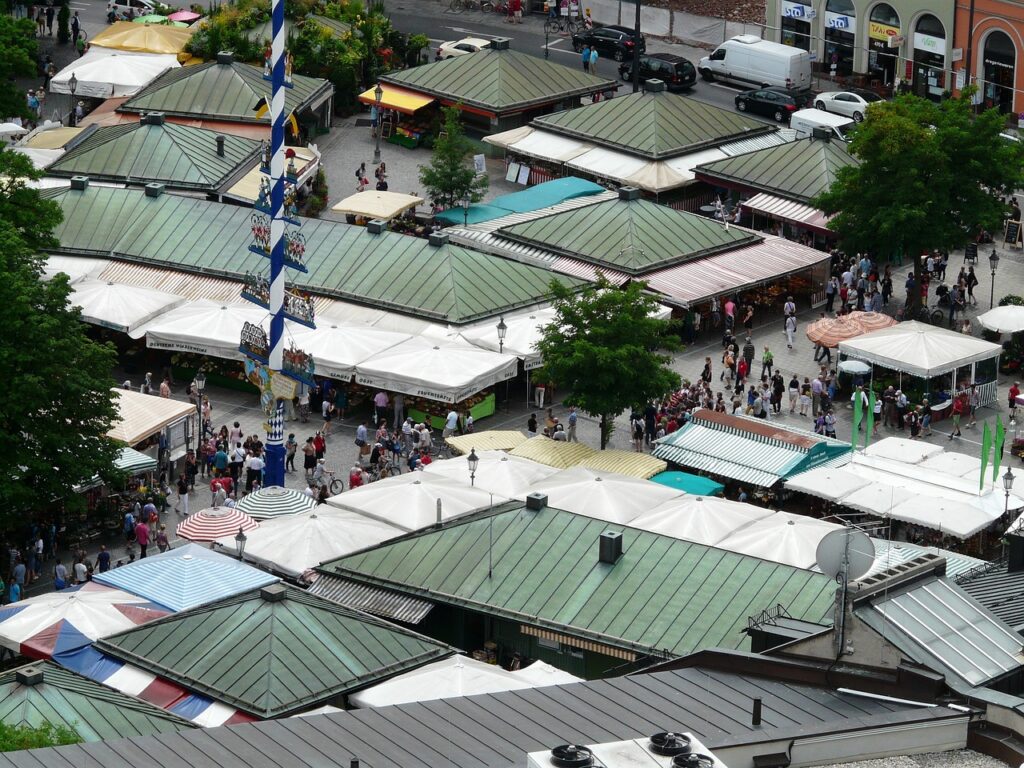
- Sendlinger Tor → Viktualienmarkt: about a four‑minute walk from Sendlinger Tor station (Sendlinger‑Tor‑Platz 1, 80336 München) to Viktualienmarkt (Viktualienmarkt 3, 80331 München) — a classic food market usually open most days around 9:00–18:00 (hours vary).
- Karlsplatz (Stachus): Karlsplatz (Stachus) station (Karlsplatz 1, 80335 München) is a major interchange for shopping on Neuhauser Straße and a short walk to Marienplatz.
Practical U‑Bahn tips:
- Allow time for transfers: stations like Hauptbahnhof can be extensive — give yourself 5–10 minutes to change between some lines.
- Most stations have lifts and escalators; for luggage or reduced mobility, follow signs for « Aufzug » (elevator).
- For night owls: the U‑Bahn has extended services on weekend nights (Friday/Saturday) and during festivals (like Oktoberfest). Double‑check schedules the evening before.
Munich trams — scenic routes, recommended lines and local experiences
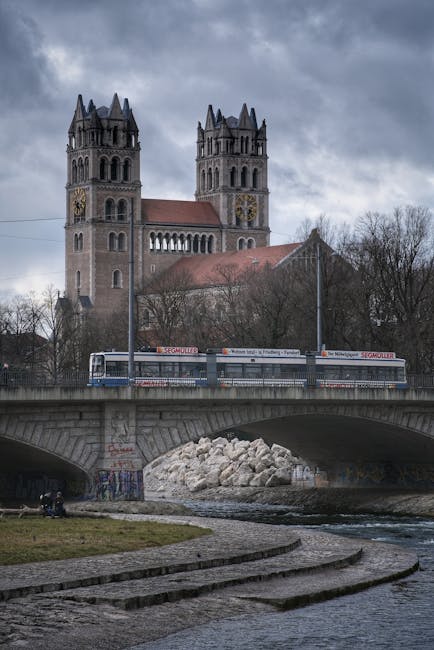
Munich’s trams (Straßenbahn) combine convenience with charm: travel close to historic facades, cross the Isar and watch everyday life roll by. The most tourist‑friendly lines run along shopping and cultural corridors and are especially pleasant in good weather for admiring architecture. Stops are frequent and trams give excellent visibility for photographing the moving city.
Examples of tram routes to favor:
- Tram through Maxvorstadt and Königsplatz: get off at Königsplatz (Königsplatz 1, 80333 München) to reach the Alte Pinakothek (Barer Str. 27, 80333 München) and the Pinakothek der Moderne. These museums often open 10:00–18:00; tickets around €7–15 depending on exhibitions.
- Tram to Nymphenburg: several lines offer convenient access to Nymphenburg Palace (Schloss Nymphenburg 1, 80638 München); while the S‑Bahn may be faster for some connections, the tram provides better views and interesting neighborhood stops.
- Tram along the Isar: a gentle ride to reach the Englischer Garten and the Chinesischer Turm; useful stops include Universität, Odeonsplatz and Gasteig (Rosenheimer Str. 5, 81667 München).
Fares and operation: trams use the same MVV fare system as S‑Bahn/U‑Bahn. Validate your ticket at the onboard machines if you board through a door without a gate; better yet, buy in advance at the platform machine or via the MVV app to avoid lines. Trams generally run from about 5:00 to 1:30, with lower frequencies at night.
Tram local tips:
- Board through the front door if you want to buy a ticket onboard (some trams have ticket machines), but it’s best to buy beforehand at a platform machine or via the MVV app to skip queues.
- For great photos, sit on the right side when traveling south or west (depending on the route): the light and facades often look more picturesque.
- If you want to avoid tourist crowds, take tram lines heading into residential districts (Au‑Haidenauplatz, Giesing) to discover local cafés and food markets.
Practical tips, tickets, safety and sample tourist routes
Tickets: buy via the MVV app (iOS/Android), at the yellow ticket machines in stations or at service desks in major stations. Options to consider:
- Einzelfahrt (single ticket zone M): about €3.50 — valid for a one‑way journey without return.
- Kurzstrecke: about €2.20 — for very short trips (up to 3 stops or a limited distance).
- Tageskarte (day): about €8.80 (individual) — ideal for a full day of sightseeing in zone M.
- Partner Day Ticket: about €15.80 — cost‑effective for 2–5 people traveling together.
- Munich CityTour Card / Munich Card: starting around €13–19 (1 day) — combines transport with discounts on museums, tours and restaurants.
Safety and conduct: Munich is considered safe, but basic rules apply:
- Keep your belongings close in stations and at stops; avoid leaving luggage unattended.
- Always validate your ticket; checks can be random and fines are steep (sometimes over €60 depending on the situation).
- Follow station signage (waiting zones, boarding/exiting). Bavarians value order — let people exit before you board a train.
Two typical tourist itineraries:
- Itinerary 1 — Historic center express (one day): Marienplatz (Marienplatz 1) → walk to Viktualienmarkt (Viktualienmarkt 3, 80331 München) → U‑Bahn from Marienplatz to Odeonsplatz → Residenz Museum (Residenzstraße 1) → tram to Englischer Garten (Chinesischer Turm) → evening at Hofbräuhaus (Platzl 9, 80331 München). Tickets: Tageskarte zone M if you’re making multiple trips (≈ €8.80).
- Itinerary 2 — Culture chain and outskirts (one day): Deutsches Museum (Museumsinsel 1) via S‑Bahn/Isartor → tram/U‑Bahn to Königsplatz and the Pinakotheken → Nymphenburg Palace (Schloss Nymphenburg 1) by tram/S‑Bahn → return via Hauptbahnhof for dinner near Sendlinger Straße. Consider combined museum and transport tickets (Munich Card) to save money.
Apps and useful resources:
- Official MVV site: www.mvv-muenchen.de — updated timetables, disruptions and fares.
- DB Navigator (Deutsche Bahn): for long‑distance connections and arrival/departure times at Hauptbahnhof.
- Google Maps / Citymapper: real‑time planning with walking estimates and transfers.
Conclusion — Maximize your Munich discoveries using public transport
For visitors, mastering the S‑Bahn, U‑Bahn and tram network in Munich is like opening a treasure map: the more you understand the lines, zones and schedules, the more accessible the city becomes and the richer your discoveries. The S‑Bahn gets you quickly to the airport, lakes and outlying castles; the U‑Bahn saves you time in the center and puts you within steps of museums and historic squares; the tram offers an urban perspective perfect for photos and feeling the local vibe. MVV tickets (Einzelfahrt, Kurzstrecke, Tageskarte) are convenient and, for groups, the Partner Day Ticket or tourist cards (Munich Card) offer great value and attraction discounts.
Plan your days around transport hubs like München Hauptbahnhof (Bayerstraße 10A, 80335 München), Marienplatz (Marienplatz 1, 80331 München) and Ostbahnhof (Ostring 1, 81667 München) to cut transfer times. Download the MVV app, validate your tickets and try to travel outside peak hours for calmer journeys and cleaner photos. And don’t forget to leave room for spontaneity: hop off the tram for a coffee in a residential neighborhood, stroll along the Isar at sunset, or pause at the Chinesischer Turm in the Englischer Garten.
Munich rewards curious, mobile visitors — with a little preparation and this guide in your pocket, you’ll turn routes into memorable experiences. Enjoy your trip and happy exploring: whether from a tram window, the depths of a U‑Bahn station or the efficient speed of an S‑Bahn, the city will reveal its treasures at every stop.