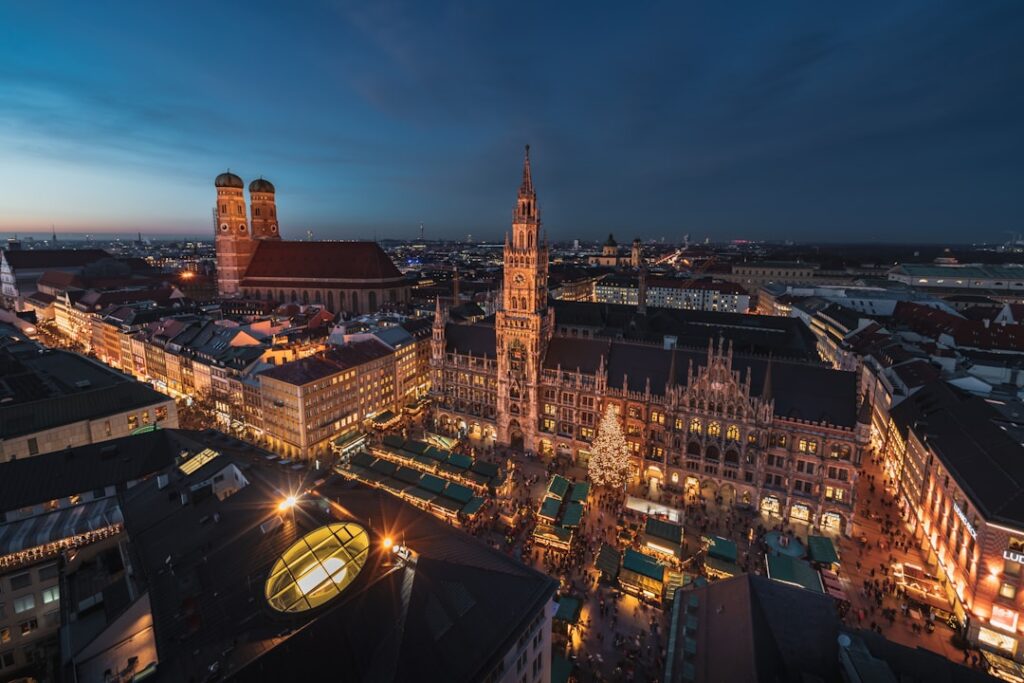






Introduction: Discover Munich by S‑Bahn and U‑Bahn
Munich (München) is a city where Bavarian history and modern life meet around every corner — and the public transport network is one of a traveler’s best friends for exploring it all. The MVV system (Münchner Verkehrs‑ und Tarifverbund) mixes S‑Bahn (suburban trains) and U‑Bahn (underground metro) to connect the city centre, historic neighborhoods, expansive parks and major cultural sites. This guide lays out seven easy sightseeing routes you can do solely by S‑Bahn and U‑Bahn, designed for travelers on the clock, families and anyone who enjoys urban strolls. Each route includes exact addresses, typical opening times, ballpark ticket prices in euros, immersive descriptions and practical local tips.
The trips I describe are built to balance efficiency, scenic value and accessibility. You’ll learn how to start from a central hub like Marienplatz, reach Nymphenburg Palace without stress, spend an afternoon by the water at the Englischer Garten, or link BMW Welt, Olympiapark and the old town in a single half‑day. Each section is numbered for easy reading and planning — seven routes, seven ways to fall in love with Munich.
Before we dive in: some practical info on tickets and schedules. The MVV network uses zoned tickets; most central tourist attractions fall within zone M (München). Typical fares: single ticket zone M: €3.60; day ticket (tageskarte) zone M, single person: €8.00; group day ticket (up to 5 people) zone M: €15.30. S‑Bahn and U‑Bahn usually run roughly between 04:00 and 01:30 on weekdays; daytime frequencies are about every 2–10 minutes depending on the line and time of day. Night services (Nachtverkehr) operate on some weekend nights and are listed on the MVV site — it’s smart to check updated timetables at www.mvv-muenchen.de or via the MVV app before you head out.
In this guide each route is treated like a mini urban adventure, with short walks between stations and sights, recommended cafés and tips like the best times to dodge crowds or enjoy a beer on a terrace. I also include precise addresses (for your GPS), sensory descriptions (sounds, smells, views) and food and photo stops. I’ve placed visual image markers  where a photo will help set the mood or plan your keepsakes. Ready to board? Here are seven essential S‑Bahn / U‑Bahn routes to try in Munich.
1) Historic Heart Loop: Marienplatz → Viktualienmarkt → Frauenkirche → Hofbräuhaus
This route is the must‑do classic for any first‑time visitor to Munich. Start at Marienplatz (Marienplatz, 80331 München), reachable via U‑Bahn lines U3/U6 or S‑Bahn (S1–S8 at Marienplatz station). The square is framed by the neo‑Gothic town hall (Neues Rathaus) with its famous glockenspiel, which plays at 11:00 and 12:00 daily, and at 17:00 from April to October. Expect to wait 10–15 minutes for the show; no reservation required. 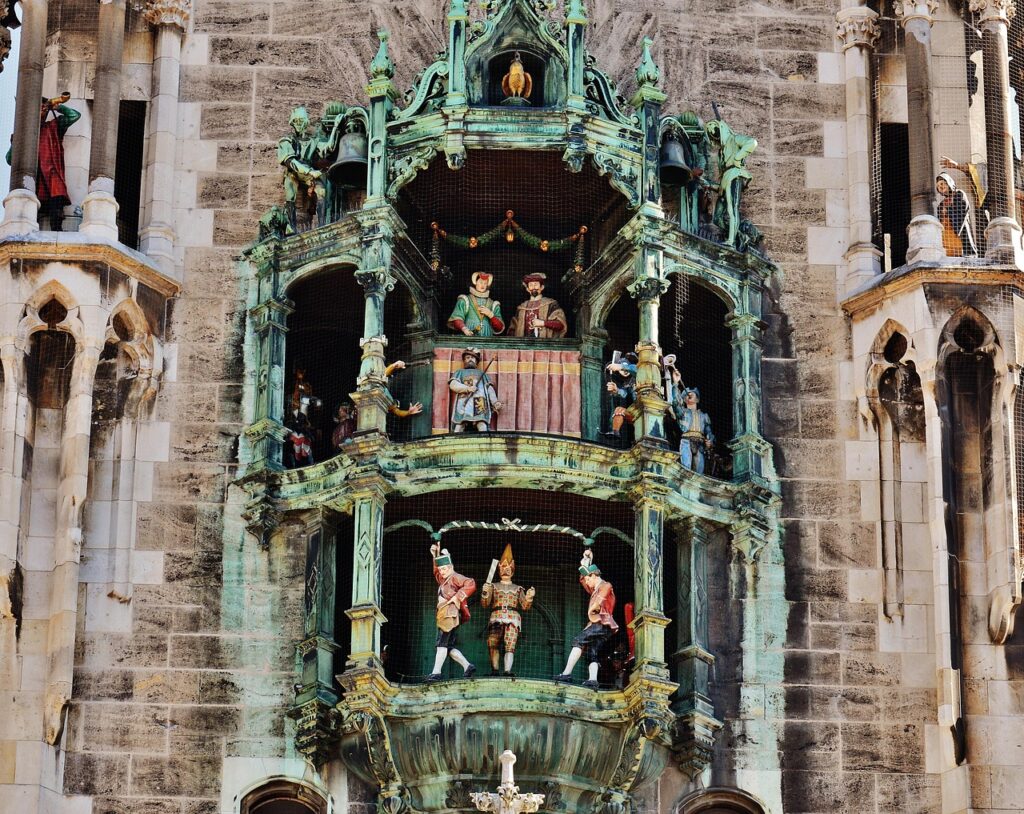
A two‑minute stroll brings you to the Viktualienmarkt (Viktualienmarkt 3, 80331 München), a lively open‑air food market selling cheeses, charcuterie, flowers and local beers. The market is generally open Monday to Saturday between 08:00 and 18:00; some stalls close earlier. Budget for a snack or light lunch: €5–€15 depending on what you pick up. 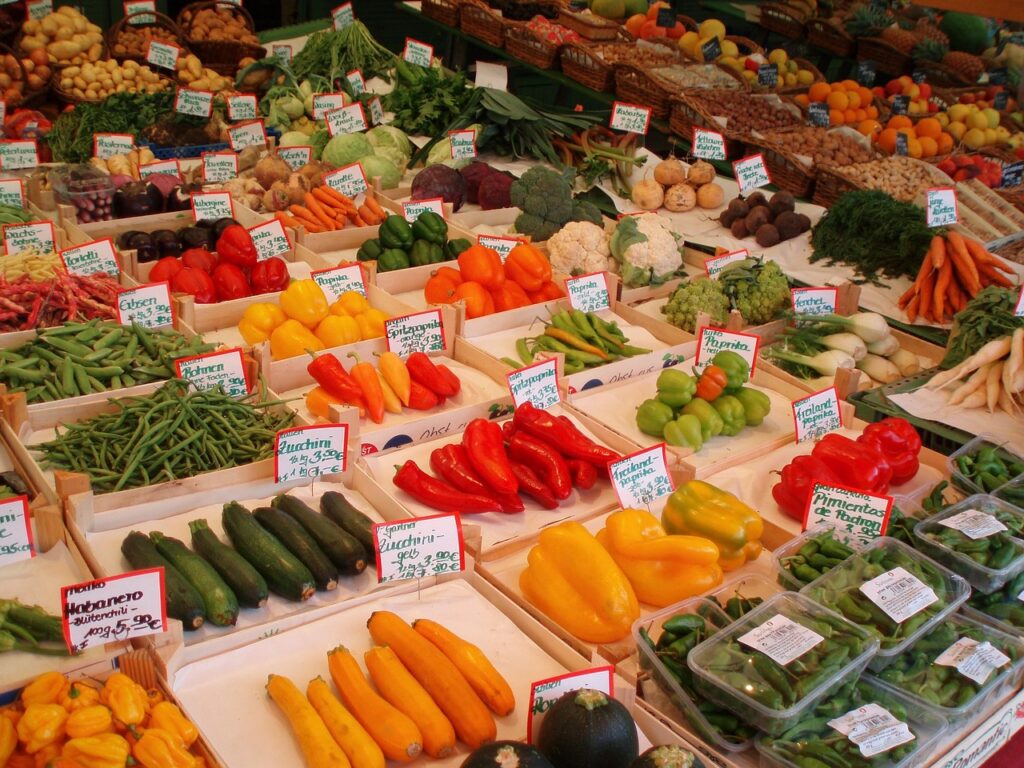
Continue to the Frauenkirche (Domplatz 4, 80331 München), the city’s emblematic cathedral with twin towers visible across the center. Entry to the church is free, though access to the tower for panoramic views is ticketed depending on temporary exhibitions (about €3–€5 when available). Then take a historic and culinary break at the Hofbräuhaus am Platzl (Platzl 9, 80331 München), a traditional Bavarian beer hall generally open from 09:00 to 23:30. Expect roughly €12–€20 for a beer and a traditional dish (Schweinshaxe, Weißwurst, etc.). 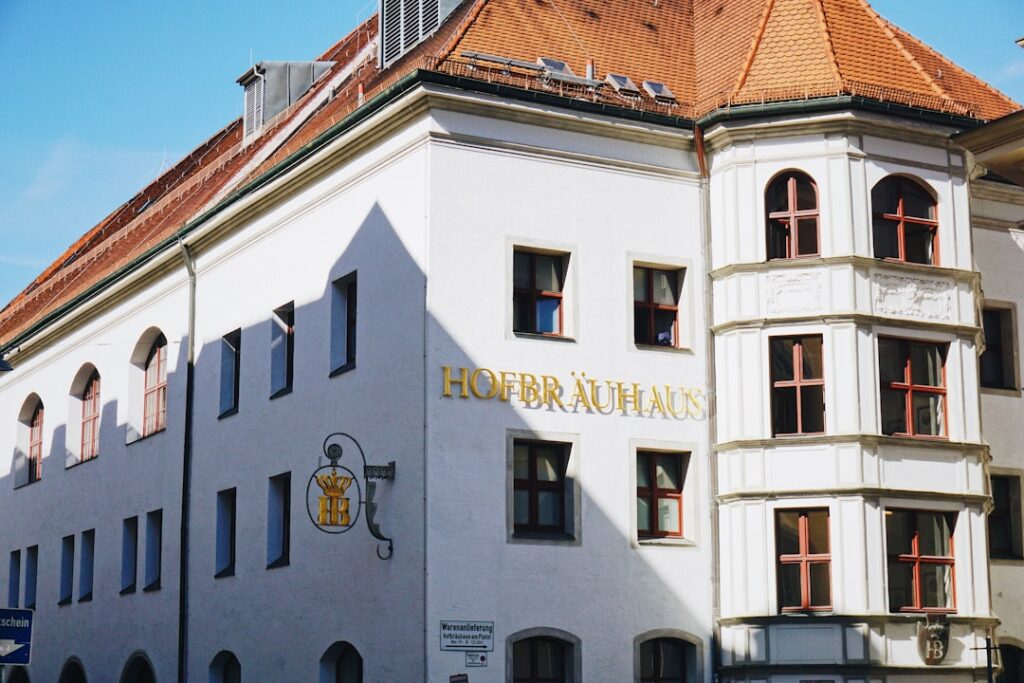
Times / transport: all these sights are walkable from Marienplatz in under 10 minutes. If you prefer the metro, Marienplatz station (U3/U6, S‑Bahn S1–S8) drops you right into the action. Local tip: arrive early (before 10:00) to beat the glockenspiel crowds and enjoy a peaceful stroll through Viktualienmarkt.
2) Parks and Greenery: Marienplatz → Englischer Garten → Chinesischer Turm → Eisbach
The Englischer Garten is one of the world’s largest urban parks, and getting there by U‑Bahn/S‑Bahn is easy and fast. From Marienplatz (Marienplatz, 80331 München), take the U‑Bahn U3 towards Moosach to Universität (Geschwister‑Scholl‑Platz, 80539 München) and then walk about 12–15 minutes northeast, or choose a 20–25 minute walk through the university quarter to reach the park. 
Highlights: the Chinesischer Turm (Chinese Tower, Englischer Garten 3, 80538 München) hosts a large outdoor beer garden (Biergarten) that’s very popular, typically open from about 10:00 to 23:00 depending on the season. Indicative price for a 0.5 L beer: €4.50–€6.00; simple food (pretzels, bratwurst): €4–€12. Further south, the Eisbach is famous for its urban surfing spot near the Haus der Kunst; watching surfers ride the artificial river wave is a photographer’s must. 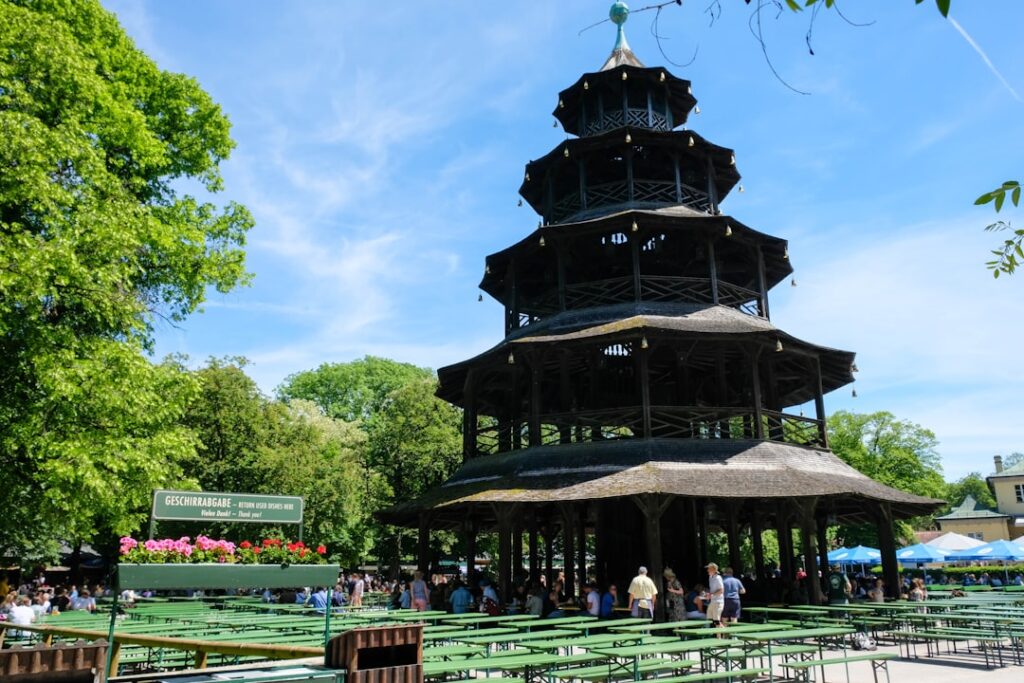
Practical tips: for a less tiring route, take U‑Bahn U6 towards Garching‑Forschungszentrum and get off at Giselastraße (Giselastrasse 2, 80802 München) for quick access to the park’s southwest. Alternatively, an S‑Bahn to Isartor places you at the park’s southeast corner. Hours: the Englischer Garten itself is open 24/7, but facilities like the beer garden have specific opening times and often close in the evening. Local tip: bring a blanket and a picnic to enjoy a relaxed afternoon by Kleinhesseloher See (the small lake), especially at sunset.
3) Baroque Palaces and Gardens: Hauptbahnhof → Nymphenburg Palace → Botanischer Garten
For a touch of royal grandeur, head to Schloss Nymphenburg (Schloss Nymphenburg 1, 80638 München). Take the S‑Bahn to Hauptbahnhof (Bayerstr. 10, 80335 München) and from there the U1 to Maillingerstraße, then switch to a bus or walk 20–25 minutes; more convenient options include tram or direct buses from Hauptbahnhof (check lines 17/51/52 by time of day). The most direct route is U‑Bahn U2 to Hirschgarten with a short bus connection. 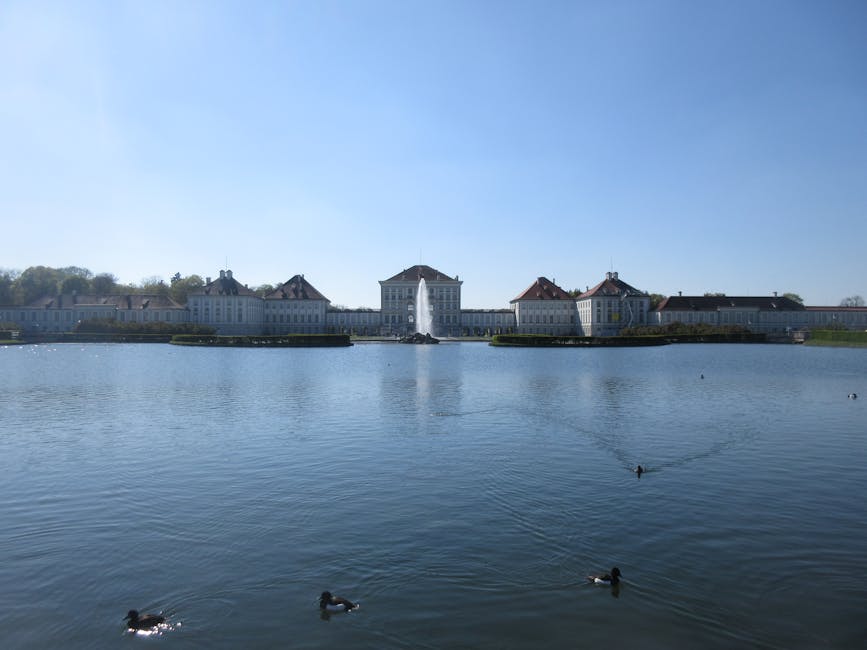
The palace complex and its gardens spread over vast baroque grounds — you’ll find richly decorated interiors, galleries and the Marstallmuseum. Opening hours: the palace is generally open from 09:00 to 18:00 (seasonal variations), and the Schlosspark is freely accessible all day. Typical prices: combined palace + museum ticket: €15–€18 for adults; discounts for students and seniors. 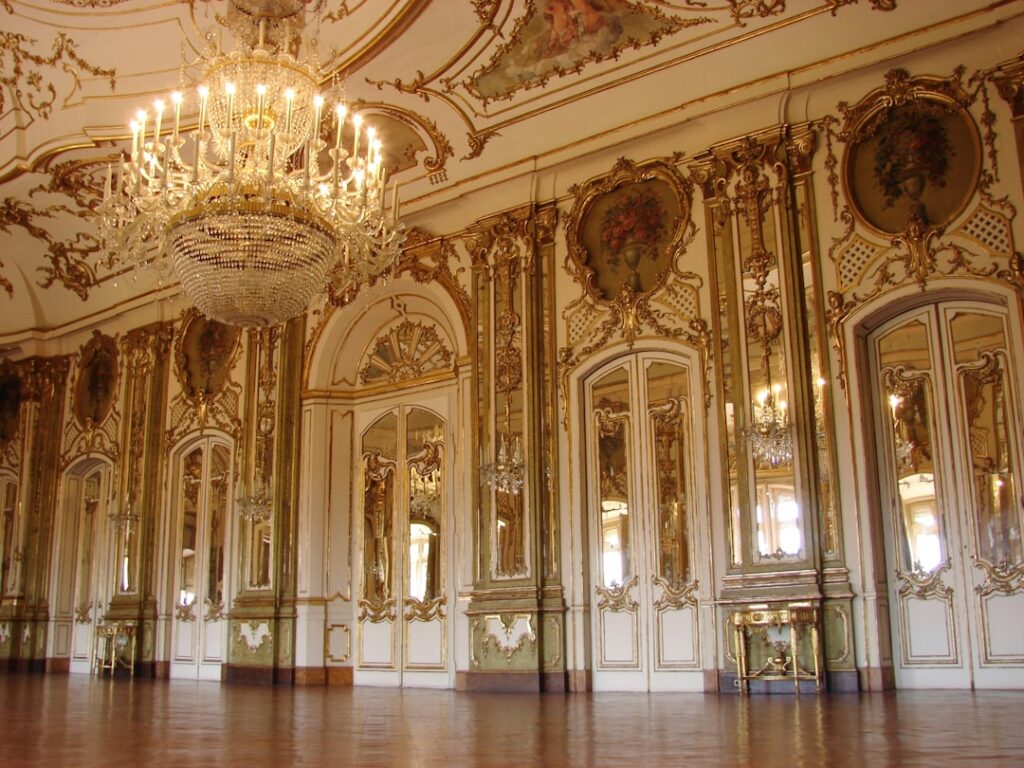
To the east of the palace is the Botanischer Garten München‑Nymphenburg (Menzinger Str. 65, 80638 München), a botanical garden with greenhouses and collections of exotic plants. Entry usually costs €4–€6, and it’s typically open from about 09:00 to 18:00 depending on the season. A day visiting Nymphenburg and the Botanischer Garten is ideal for families and photography lovers; the paths are paved and stroller‑friendly. Tip: arrive early to catch the soft morning light on the façades and avoid the tourist buses that arrive later in the day.
4) Museums and Science: Marienplatz → Deutsches Museum → Isartor → Gasteig
This route mixes science culture, riverside walking and a major cultural centre. From Marienplatz, walk 10 minutes southeast along Sendlinger Straße to reach the Deutsches Museum (Museumsinsel 1, 80538 München) — the world’s largest museum of science and technology, located on an island in the Isar. Opening hours: generally 09:00 to 17:00 (check exhibitions and extended hours). Indicative admission: adults €14–€15, with discounts for students and families; special exhibitions may carry separate fees. 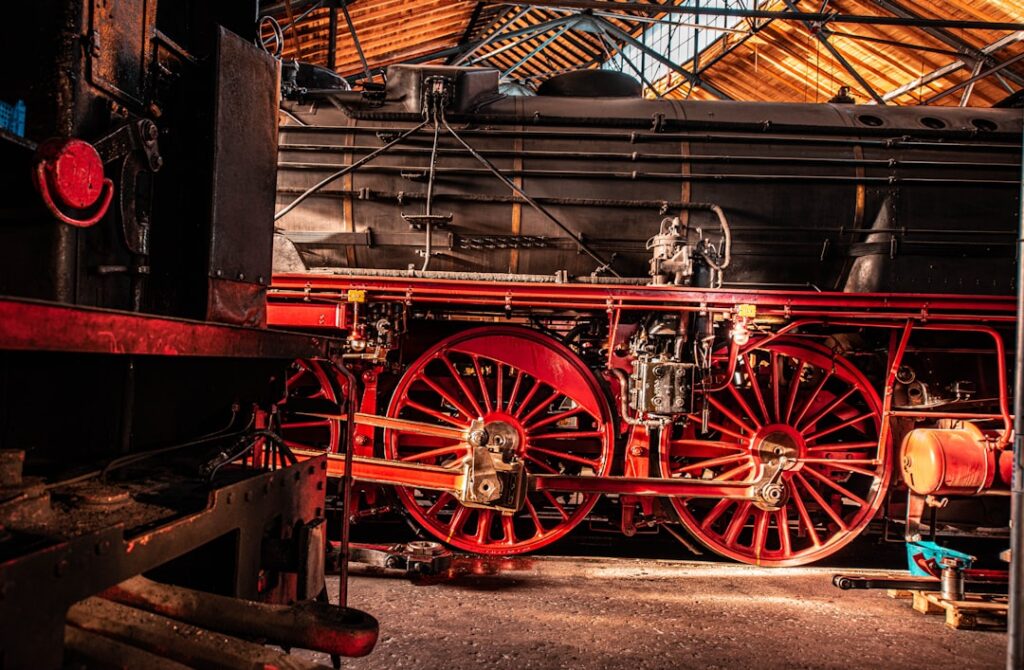
After your visit, stroll along the Isar northwards toward Isartor (Isartorplatz, 80469 München), a well‑preserved medieval gate marking an entrance to the old town. Then take the U‑Bahn U1/U2 or walk to the Gasteig (Rosenheimer Str. 5, 81667 München), the municipal cultural centre hosting concerts, the city library (Münchner Stadtbibliothek) and exhibitions. Gasteig regularly stages evening concerts; ticket prices vary by event (typically €10–€60). 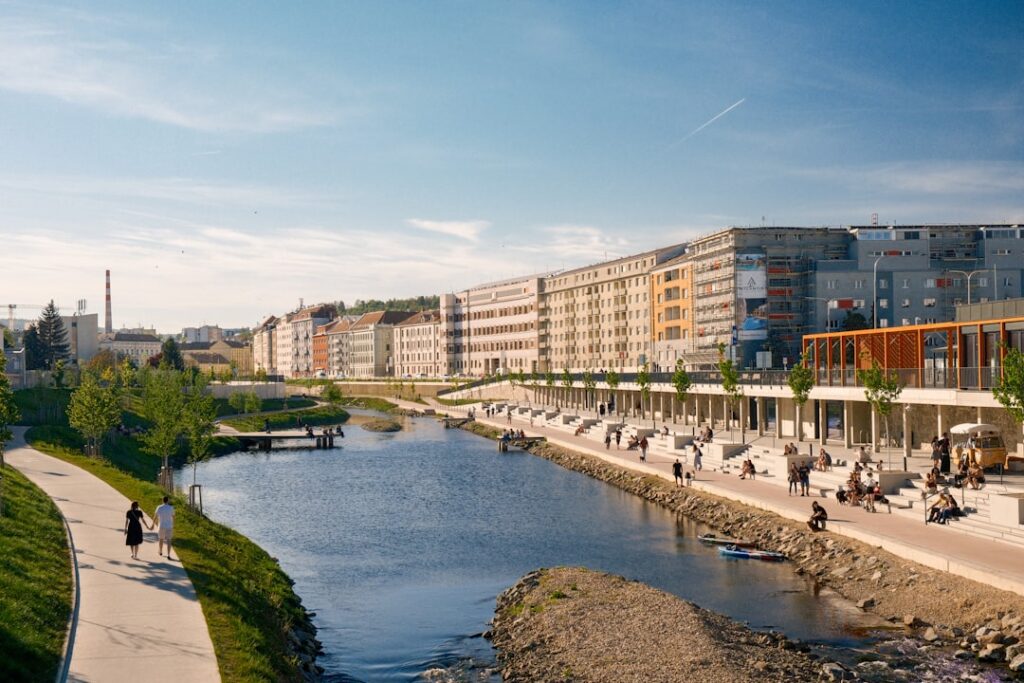
Transport / times: Sendlinger Tor U‑Bahn station serves the area and is a handy connection point to return to the centre. Local tip: the Deutsches Museum offers interactive demonstrations — great for families; check the workshop calendar and book online for popular exhibits during peak periods.
5) Modern Architecture and Sport: Hauptbahnhof → BMW Welt → Olympiapark → Olympiahalle
This route showcases Munich’s modern face, reachable in about 25–30 minutes from the centre on the U‑Bahn U3/U8 lines. Take the U‑Bahn from Hauptbahnhof or Marienplatz to Olympiazentrum (Spiridon‑Louis‑Ring 21, 80809 München). On exit you’ll immediately spot BMW Welt (Am Olympiapark 1, 80809 München), a futuristic complex displaying BMW models and interactive exhibitions. Entry to BMW Welt is free; guided experiences and the BMW Museum (museum admission roughly €10–€12) are ticketed. 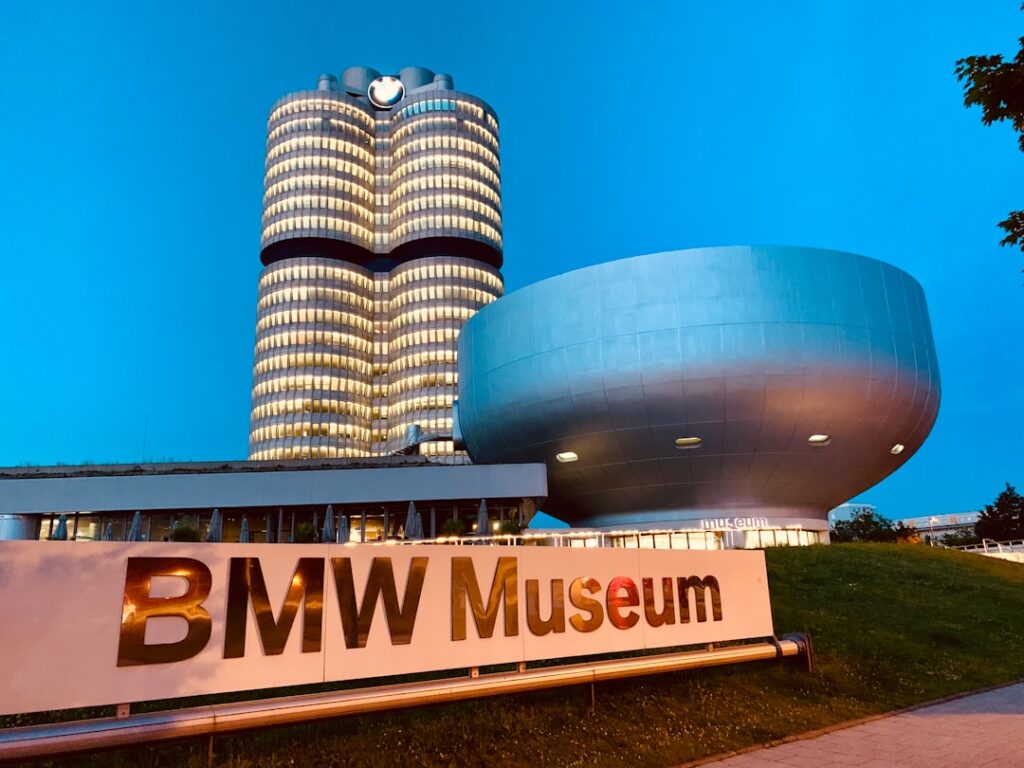
Right next door is the impressive Olympiapark (Spiridon‑Louis‑Ring 21, 80809 München), built for the 1972 Olympic Games; its hills, lake and viewpoints make it a lovely place for a walk. The Olympiaturm offers an observation deck and a small café; entry around €6–€8. In the evenings, Olympiahalle hosts concerts and sporting events — check listings and book tickets in advance (prices vary). 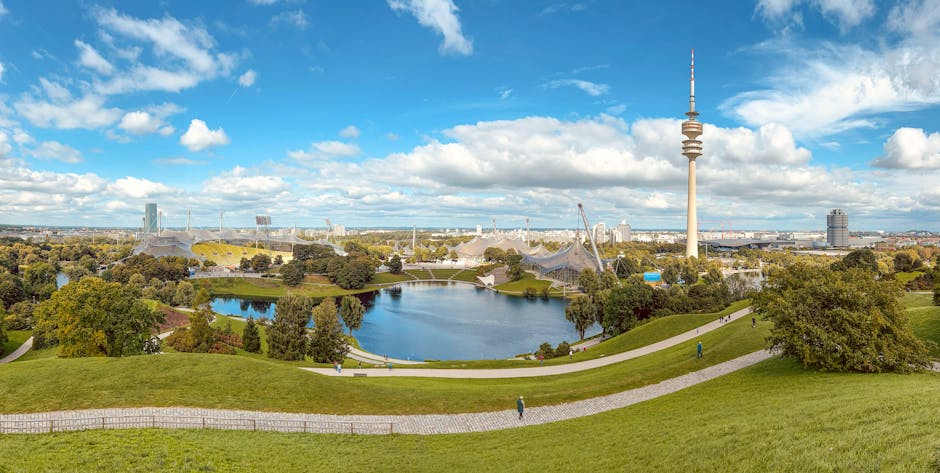
Times / transport: the U‑Bahn U3 runs frequently (every 5–10 minutes during the day). Local tip: climb the artificial hills to the west of Olympiapark at sunset for sweeping views over the city and, on clear days, the Alps in the distance. For coffee with a view, try the café at the base of the Olympiaturm.
6) Shopping and Cafés Stroll: Karlsplatz (Stachus) → Sendlinger Tor → Gärtnerplatz
For a day of shops, cafés and bohemian vibes, start at Karlsplatz (Stachus) (Karlsplatz 1, 80335 München), reachable by S‑Bahn (Hauptbahnhof) and U‑Bahn (U4/U5). Stachus is a major commercial square with underground malls and shops. From there walk or take U‑Bahn U1/U2 to Sendlinger Tor to explore narrow streets, bookshops and cafés. 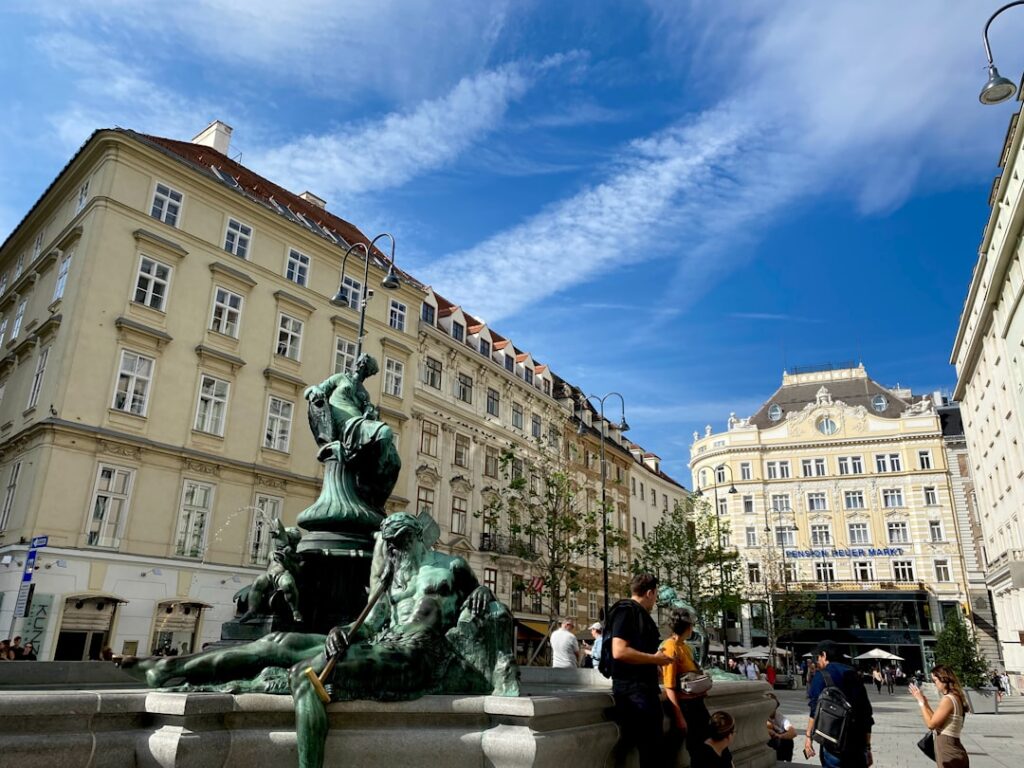
Continue to the Gärtnerplatz area (Gärtnerplatz 1, 80469 München), a lively neighborhood with sunny terraces, specialty cafés and nearby theatres (Münchner Kammerspiele). Cafés typically offer pastries (Kuchen) for €3–€6 and filter coffee for €2–€4. Local shops sell clothing, accessories and design pieces. Opening hours: most stores operate from about 10:00 to 20:00, with some cafés opening as early as 08:00. 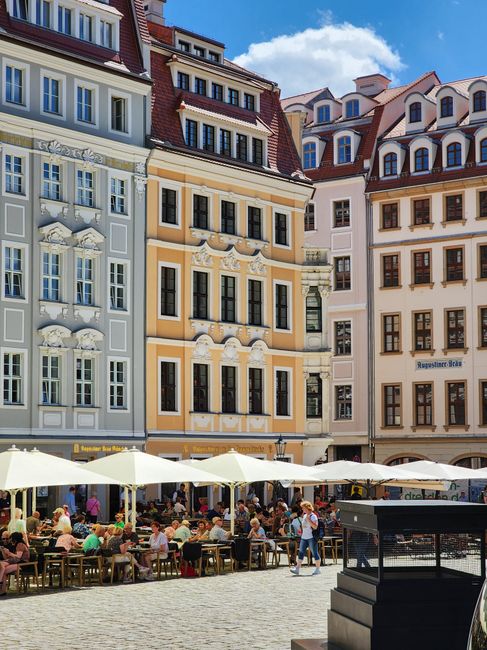
Practical tips: avoid Kaufingerstraße during peak hours if you prefer quieter streets; Gärtnerplatz and its side lanes offer a more relaxed atmosphere. For local souvenirs, look for confectionery shops selling Lebkuchen and Bavarian pastries packaged for travel.
7) Airport Transfer: Marienplatz → München Flughafen (MUC) by S‑Bahn
Travel between Munich city centre and Franz Josef Strauß International Airport (München Flughafen, Flughafenstr. 1, 85356 München) on S‑Bahn lines S1 (via the east) or S8 (via the south). Depart from Marienplatz (80331 München) — the journey takes about 35–45 minutes depending on line and connections. Airport trains typically run from 04:00 to 00:30 with a frequency of around every 20 minutes. 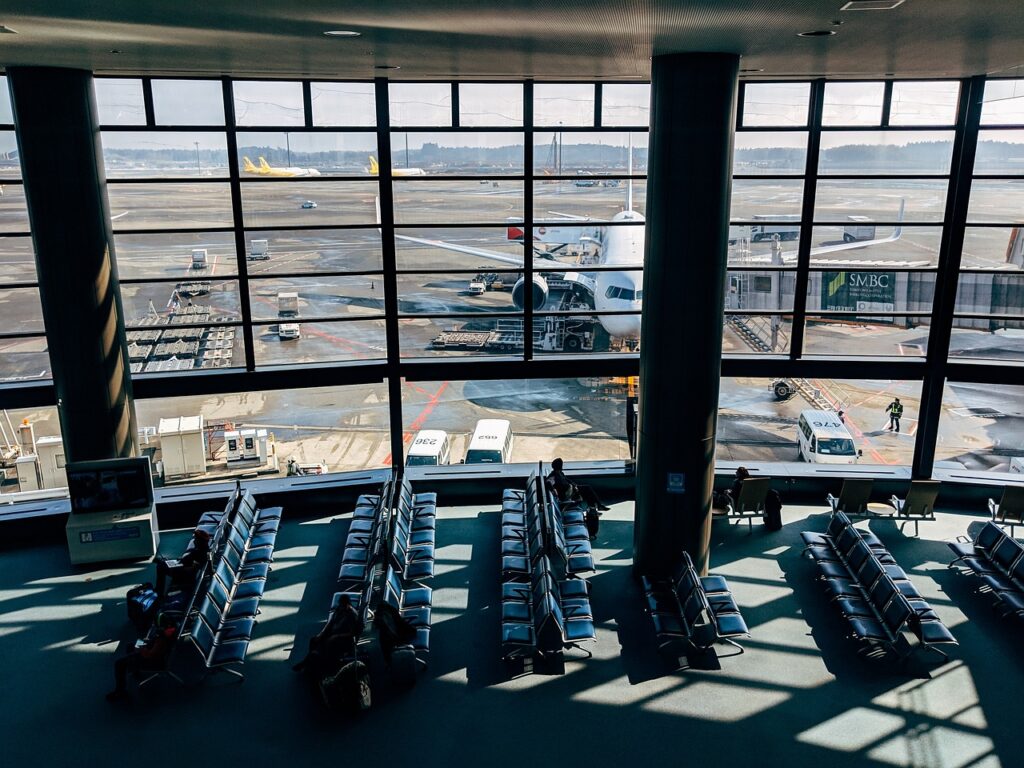
Fares: the trip to the airport requires a special ticket covering zone M + Flughafen; indicative price for a one‑way single ticket: €13.80. There’s also an Airport‑City‑DayTicket if you plan multiple trips the same day (price varies, roughly €25–€30 for groups). Tip: allow at least 90 minutes between your arrival at München Flughafen and an international departure, or 2 hours for long‑haul flights to factor in security and check‑in. MVV ticket machines and DB kiosks at the station sell tickets, but the MVV app makes mobile purchases and proof‑of‑purchase easier.
Extra tips: if you arrive very early, the S‑Bahn is the most economical option; for more comfort with luggage consider a taxi (from the centre about €60–€80, depending on traffic). For groups, compare the Gruppentageskarte price (if staying in the city) or book a private transfer if you have tight timing constraints.
Conclusion: Mastering Munich with the S‑Bahn and U‑Bahn
Munich is a city that lends itself perfectly to exploration via its S‑Bahn / U‑Bahn network. The seven routes presented cover the essentials: the historic core with Marienplatz and Viktualienmarkt, the green calm of the Englischer Garten, the baroque splendor of Nymphenburg, the museum riches of the Deutsches Museum, the modern side of BMW Welt and Olympiapark, the shopping streets and boho cafés, and finally the practical airport connection. Each route can be adapted — extended for deeper visits or condensed for a short layover. The exact addresses, indicative prices and opening times provided help you plan, but remember to check official sites (MVV, attractions, museums) for updates before you go.
A few recap tips to get the most from your trips:
- Tickets and validation: buy and validate your MVV tickets before entering the platforms. Inspections can be random and fines are steep for fare evasion.
- Schedules: build in buffer time for connections, especially in the evening or on public holidays; frequencies vary by line and time.
- Season and crowds: in summer beer gardens and parks fill quickly; for museums, book popular exhibitions online to avoid queues.
- Luggage: if traveling with lots of luggage, use elevators in major stations (Hauptbahnhof, Marienplatz) and avoid rush hours (07:30–09:30, 16:30–18:30).
- Local experience: take time for a coffee or beer on a terrace between stops — Munich is also meant to be discovered while sitting and watching the world go by.
By mixing and matching these routes you can craft balanced days of cultural discovery, green walks and immersion in everyday Munich life. The S‑Bahn and U‑Bahn are not only fast transport — they’re a way to tune into the city’s rhythm: listen to the announcements, notice station artworks and let yourself be led from one stop to the next. Have a great trip and enjoy Munich — and don’t forget to capture your photo stops at the locations listed below!