





Introduction: Munich told through its museums
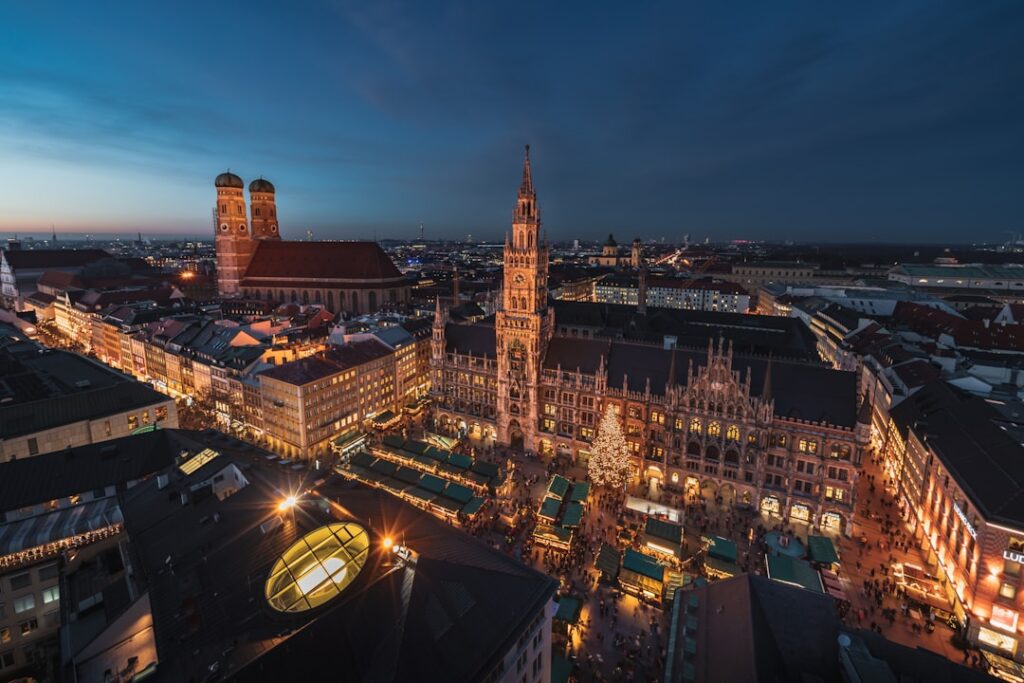
Munich is more than a Bavarian capital of beer and festivals; it’s a city where history and art unfold across neighborhoods, façades and, above all, museums. Roaming Munich’s cultural institutions reads like a layered narrative: German political history, sweeping European art movements, modern and contemporary art, and local memories all respond to one another within buildings that are as prestigious as they are diverse. The museums of Munich create a storytelling network that helps visitors understand the city not as mere backdrop but as a place shaped by aesthetic choices, historical traumas and cultural rebirths.
This guide lays out an organized museum itinerary for anyone wanting to grasp Munich’s spirit through its collections. You’ll find practical details — exact addresses, opening hours, ticket prices in euros — alongside immersive descriptions and local tips: where to sit and study a painting in peace, which museum corners to avoid at peak times, and how to combine visits to make the most of your schedule. The approach is broad and professional: each section focuses on a specific facet of the city — major painting collections, museums of history and memory, modern and contemporary art, and smaller venues that reveal unexpected insights.
Munich is a human-scale city where you can get from a major museum to an intimate gallery in under twenty minutes by tram or on foot. The routes I suggest take this urban reality into account: you could pair a morning at the Pinakotheken with an afternoon at the Deutsches Museum by the Isar, or create a thematic walk between the Haus der Kunst and the Museum Brandhorst to survey contemporary creation. The goal is simple: to give travelers the keys so museums become living places that tell Munich’s story.
The Pinakotheken and the city’s pictorial narrative
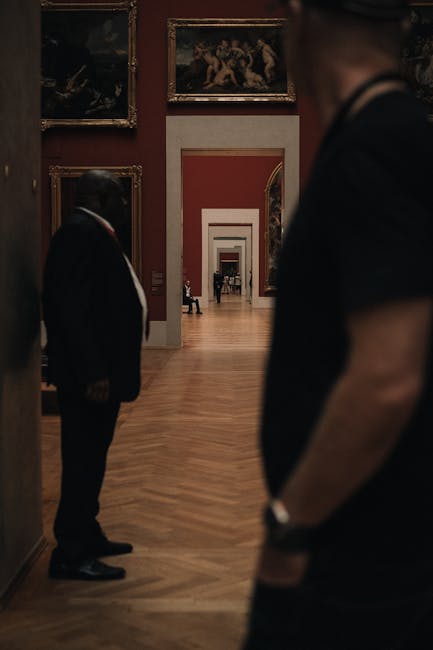
The Pinakotheken form one of Munich’s major museum hubs and an excellent starting point to understand how painting helped shape the city’s cultural identity. Three institutions make up this hub: the Alte Pinakothek, the Pinakothek der Moderne and (historically) the Neue Pinakothek — but today the focus is on the Alte Pinakothek and the Pinakothek der Moderne around the Pinakotheken quarter.
- Alte Pinakothek
Address: Barer Str. 27, 80333 München.
Hours: Tuesday–Sunday 10:00–18:00 (closed Monday).
Price: full ticket around €7, reduced €4–5; some evenings free (check the official calendar).
Description: founded in the 19th century, the Alte Pinakothek houses an outstanding collection of Old Masters, with works by Dürer, Rubens, Rembrandt and van Dyck. The route highlights the evolution of European styles and Munich’s role as a royal collecting center. - Neue Pinakothek (under renovation)
Administrative address / welcome point: Barer Str. 29, 80333 München (check the website for reopening and temporary shows).
Note: the Neue Pinakothek has frequently been under renovation; its works sometimes appear in partner exhibitions. Check current info at www.pinakothek.de.
Visiting the Pinakotheken calls for a contemplative pace: take your time in front of major canvases, study the brushwork and read the labels — they often tell the story of acquisitions and Bavarian patronage. Local tip: arrive early to avoid school groups and consider heading up to the Pinakothek der Moderne café for a quiet terrace break.
Access and transport: the museums are easy to reach via U2 (Königsplatz or Theresienstraße depending on your entrance).
Museums of history and memory: Deutsches Museum, NS Documentation Centre and Bayerisches Nationalmuseum
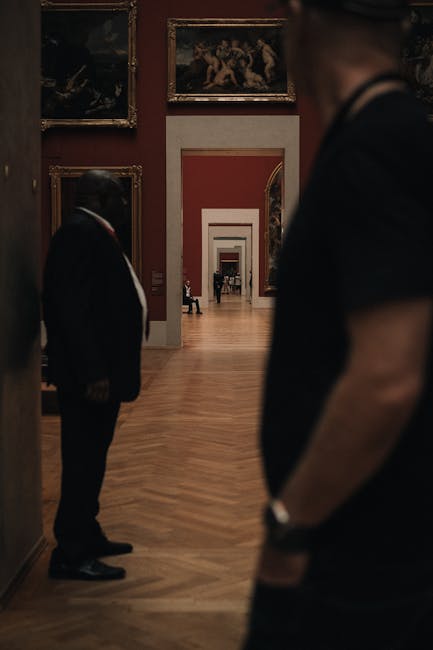
Munich also reveals itself through museums of history and memory, where science, politics and material culture enter into dialogue. The Deutsches Museum, the NS-Dokumentationszentrum and the Bayerisches Nationalmuseum offer three complementary perspectives: technical innovation, the dark chapter of the 20th century, and Bavarian traditional culture.
- Deutsches Museum
Address: Museumsinsel 1, 80538 München.
Hours: daily 09:00–17:00 (section openings may vary; check online).
Price: adult around €14, reduced €7–9; family tickets and combination entries available (special exhibitions may charge extra).
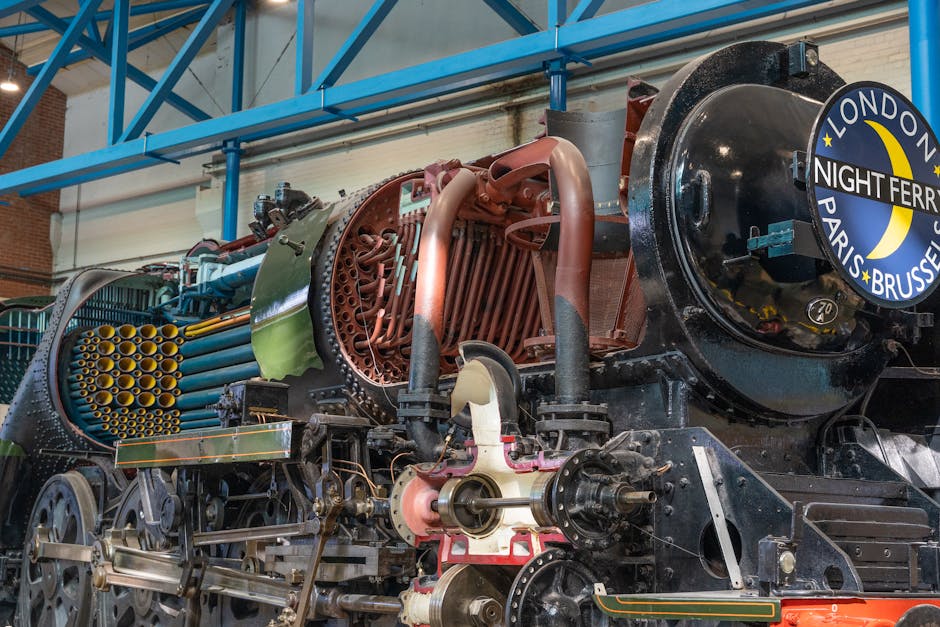
Description: the world’s largest museum of science and technology, located on an island in the Isar. Exhibits cover physics, aeronautics, navigation and many other fields with interactive models, demonstrations and large historical machines. - NS-Dokumentationszentrum München
Address: Brienner Str. 34, 80333 München (Munich Documentation Centre for the History of National Socialism).
Hours: Tuesday–Sunday 10:00–18:00 (closed Monday).
Price: free entry or suggested contribution around €3–6 depending on temporary exhibitions (check the official site: www.ns-dok.de).
Description: located at the heart of the district where the Nazi Party once held meetings, the center is a rigorous work of remembrance, with archives, testimony and contextual displays on the rise of National Socialism and its consequences for Munich and Europe. - Bayerisches Nationalmuseum
Address: Prinzregentenstraße 3, 80538 München.
Hours: Tuesday–Sunday 10:00–17:00 (closed Monday).
Price: adult around €8–10, reduced €4–6.
Description: a rich collection of decorative arts, sculptures, costumes and Bavarian craftsmanship from the Middle Ages to the early 20th century. The museum reconstructs the region’s social and material history, ideal for understanding local cultural roots.
Practical tips: allow at least half a day for the Deutsches Museum; some sections (e.g. aviation or physics) deserve extra time. At the NS-Dokumentationszentrum, follow the themed exhibits and take an audio guide — it’s very clear for non-specialists. Finally, pair the Bayerisches Nationalmuseum with a walk along Prinzregentenstraße to see the villas that reflect the neighborhood’s late-19th-century cultural wealth.
Modern and contemporary art: Pinakothek der Moderne, Museum Brandhorst and Haus der Kunst
Munich has remained a reference point for modern and contemporary art. Three institutions stand out for the quality of their collections and how they interact with the urban space: the Pinakothek der Moderne, the Museum Brandhorst and the Haus der Kunst. Together they show a city that, far from being stuck in the past, constantly questions modernity.
- Pinakothek der Moderne
Address: Barer Str. 40, 80333 München.
Hours: Tuesday–Sunday 10:00–18:00 (extended Thursdays possible—check times).
Price: full ticket around €10, reduced €7; combined Pinakotheken ticket available.
Description: this large museum brings together graphic arts, design, architecture and contemporary art. Its modern layout favors circulation and large installations, with thematic hangings that make the visit demanding and stimulating. - Museum Brandhorst
Address: Theresienstraße 35a, 80333 München.
Hours: Tuesday–Sunday 10:00–18:00 (closed Monday).
Price: full around €8–12 depending on the exhibition, reduced €6–8.
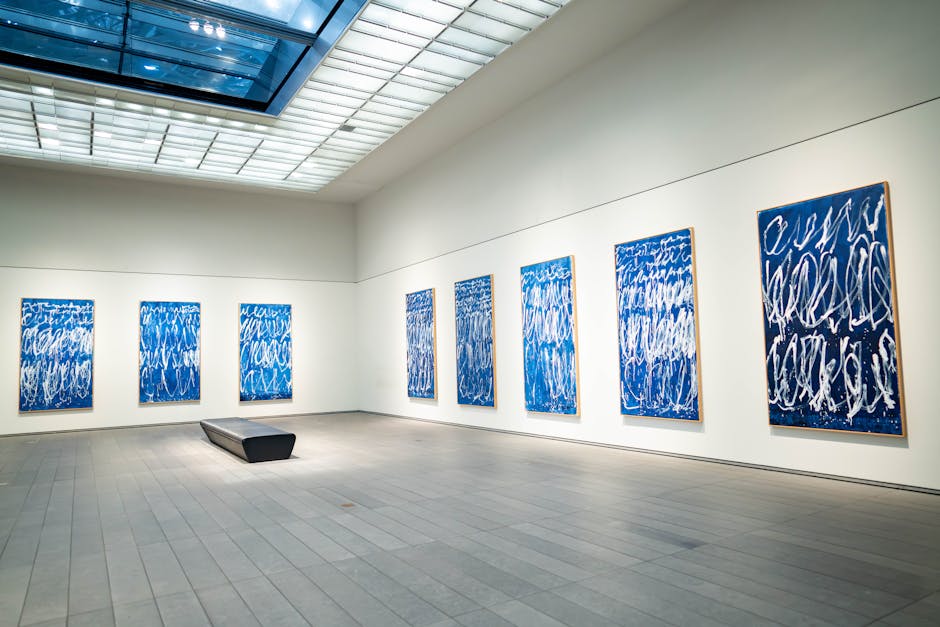
Description: a well-regarded contemporary collection with major series by contemporary artists and large, colorful installations; the holdings include works by Cy Twombly and other leading 20th- and 21st-century artists. - Haus der Kunst
Address: Prinzregentenstraße 1, 80538 München.
Hours: Tuesday–Sunday 10:00–19:00 (hours vary by exhibition).
Price: variable, average visit €8–12.
Description: a monumental riverside building dedicated to international contemporary art. The venue stages powerful temporary exhibitions, often politically engaged, along with a program of talks and performances.
Local tips: buy your Pinakothek der Moderne and Brandhorst tickets online if you plan to go on weekends — you’ll avoid potentially long lines. The Brandhorst café is pleasant for a break, and the park near the Haus der Kunst is perfect for a contemplative walk between shows.
Smaller, more intimate museums: Lenbachhaus, Glyptothek and the Jewish Museum
Beyond the big institutions, Munich is full of smaller museums that tell focused stories and offer nuanced discoveries. Lenbachhaus, the Glyptothek and the Jüdisches Museum Munich are well worth a visit for anyone seeking a subtler reading of the city.
- Lenbachhaus
Address: Luisenstraße 33, 80333 München.
Hours: Tuesday–Sunday 10:00–18:00 (closed Monday).
Price: full around €10, reduced €6–8.
Description: famed for its collection of the « Blue Rider » group (Kandinsky, Klee), Lenbachhaus also hosts contemporary collections and solo exhibitions. Housed in a former private residence, the building gives a hushed atmosphere that suits the works on display. - Glyptothek
Address: Königsplatz 3, 80333 München.
Hours: Tuesday–Sunday 10:00–18:00 (closed Monday).
Price: full around €6–8, reduced €3–5.
Description: a collection of Greek and Roman antiquities gathered by King Ludwig I of Bavaria. The sculptures and reliefs reflect the neoclassical tastes that influenced the city’s cultural construction in the 19th century. - Jüdisches Museum München (Jewish Museum Munich)
Address: St.-Jakobs-Platz 16, 80331 München.
Hours: Tuesday–Sunday 10:00–18:00 (closed Monday).
Price: variable, entry around €6–8; family and reduced rates available.
Description: an essential museum for understanding the history of Munich’s Jewish community, its cultural contributions and the traumas of the 20th century. Documentary exhibitions and personal objects give a human face to historical narratives.
Practical tips: Lenbachhaus is especially nice in the late afternoon, when the light in the older rooms warms the paintings. The Glyptothek is a quick visit and pairs well with a stroll around Königsplatz, a true neoclassical hub. For the Jüdisches Museum, set aside time to read the personal testimonies — the scenography favors individual stories.
Conclusion: Compose your own version of Munich
Munich’s museums offer more than a succession of precious objects: they weave a plural narrative of the city. Between the Pinakotheken’s major painting collections, museums of memory and history, contemporary art spaces and the more intimate institutions, visitors can build a personal route that illuminates the city from complementary angles. Each museum is a voice — sometimes solemn, sometimes provocative — and together they form the chorus that tells Munich’s story.
Plan your visits according to your priorities: the Alte Pinakothek for the history of European painting, the Deutsches Museum for inventions that changed the world, the NS-Dokumentationszentrum for crucial historical perspective, the Pinakothek der Moderne and Museum Brandhorst for a contemporary view of art. Don’t forget the smaller museums like Lenbachhaus and the Jüdisches Museum Munich, which offer intimate encounters and deeply human perspectives.
Finally, a few practical tips to get the most out of your route: always double-check hours and prices on official sites (www.pinakothek.de, www.deutsches-museum.de, www.lenbachhaus.de, www.brandhorst.art), buy tickets online for high-demand exhibitions, favor weekday mornings to avoid crowds, and leave time to wander between visits — the city itself is an open-air museum. Follow these recommendations and you’ll leave Munich not only with images and facts, but with a real sense of how art and history have shaped the city.