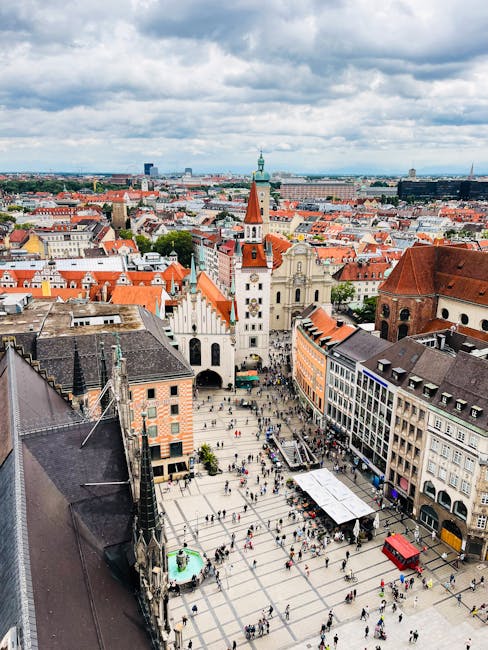






Introduction — Munich Traditions Parade: From Oktoberfest to Neighborhood Street Fairs
Munich (München) is a city where past and present meet through festivals, rituals and popular events. From the thunderous joy of Oktoberfest to the more intimate neighborhood street parties (Stadtviertelfeste), each celebration reveals a different layer of Bavarian identity: the music, the traditional dress (Trachten), the food, the markets and the warm sociability. This guide is both practical and immersive, aimed at visitors who want to understand, plan for, and fully experience Munich’s traditions.
In the pages that follow, you’ll find vivid descriptions of the main events, exact addresses and typical schedules, price ranges in euros, plus local tips to make the most of your visit: how to book a table in a famous Festhalle, which traditional dishes to try, which transit lines to take and how to avoid peak crowds. The text also covers neighborhood events like the Gärtnerplatzfest or the Sendlinger Straße Fest, often free and perfect for feeling the city’s energy without the massive Wiesn crowds.
Each event is described with sensory details — the scent of fresh beer and warm pretzels, musical chains of accordions and brass, the colors of Dirndls and Lederhosen, the glow of winter markets — so you’ll be prepared for what you’ll see and taste. Practical info is up to date for realistic planning: usual opening hours, price brackets (meals, drinks, attractions) and precise addresses so you can map your days. Finally, you’ll find handy local tips — where to sit, a few useful German phrases, beer-stein etiquette, and how to keep your belongings safe in large crowds.
Whether it’s your first trip or a return visit to deepen your knowledge of Bavarian culture, this guide offers a complete panorama from the grand Theresienwiese to small neighborhood squares, so each visit can be a tailor-made celebration. Lace up comfortable shoes, sharpen your appetite and let yourself be swept away by Munich’s parade of traditions.
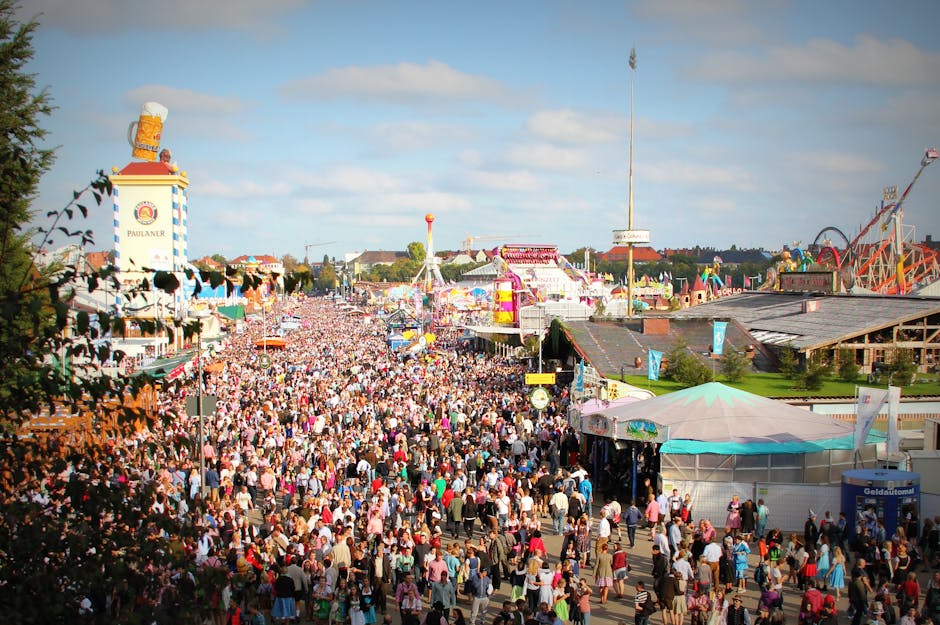
1) Oktoberfest: Theresienwiese, the Beer Tents and Local Folklore
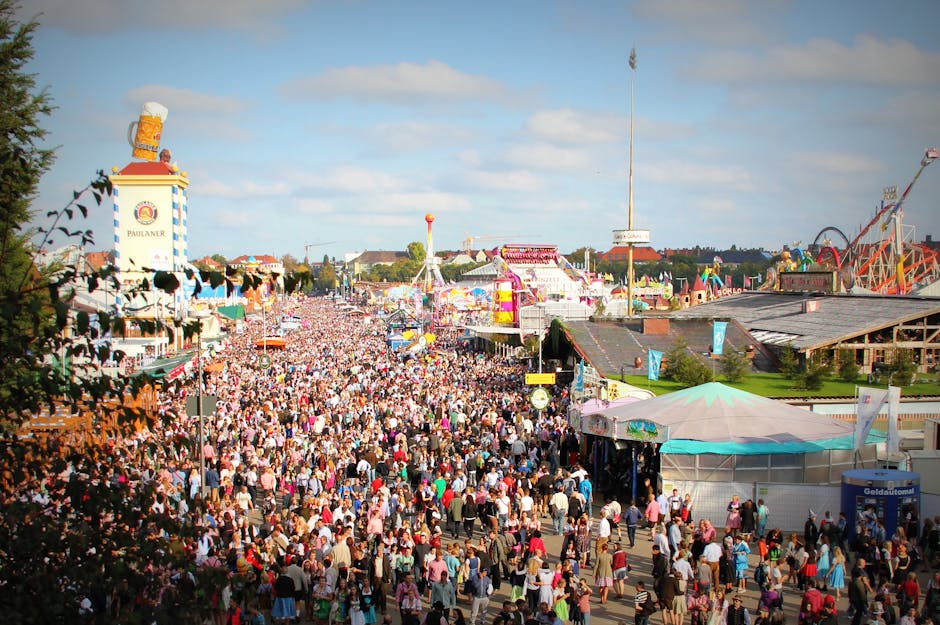
Oktoberfest traditionally takes place on the Theresienwiese (address: Theresienwiese, 80336 München) every year from late September until the first Sunday in October (exact dates announced annually). It’s the world’s biggest folk festival, mixing fairground rides, gigantic beer tents, Bavarian bands and food stalls. Entry to Theresienwiese is free, but the interior of the large tents can get very crowded; table reservations are often required for weekend evenings. Major tents include the Schottenhamel Festzelt (Schottenhamel Festhalle, Theresienwiese 1, 80336 München) and the Hofbräu-Festzelt (Theresienwiese 1, 80336 München).
Typical hours: tents usually open around 10:00 in the morning (sometimes earlier on weekends) and close between 22:30 and 23:30 depending on tent rules and the day. Beers are served as Maß (1 liter) and typically cost between €13 and €15 (varies by brewery). Fairground rides and games are usually priced from €3 to €8 per ride. Dishes to try: Hendl (roast chicken, about €8–12), Schweinshaxe (pork knuckle, €15–20), and giant pretzels (€2.50–4).
Practical tips:
- Reservations: Many tents accept bookings via their official websites; Schottenhamel publishes an annual reservation form (expect administrative fees of €0–4 depending on the tent, or no fee but a deposit may be required).
- Transport: Nearest U-Bahn station: Theresienwiese (U4/U5). Plan your return journeys: the U-Bahn is extremely busy at closing time.
- Security: Avoid bringing large bags; security checks or storage rules may prevent entry. Check allowed items in advance.
- Music: Bands often play traditional tunes, but the vibe can quickly shift to international hits.
2) Folk Traditions, Food and Iconic Munich Spots
Beyond the Wiesn, Munich is full of places where Bavarian tradition is a daily reality: the Hofbräuhaus München (Platzl 9, 80331 München), the Münchner Residenz (Residenzstraße 1, 80333 München) and the Viktualienmarkt (Viktualienmarkt 3, 80331 München). The Hofbräuhaus is open daily from 09:00 to 23:30; you’ll find classic dishes like Schweinsbraten (roast pork) starting at around €14.50 and Weisswurst (white sausage) traditionally served before midday for roughly €6–8.
The Viktualienmarkt is a historic food market (address: Viktualienmarkt, 80331 München): it’s generally open 08:00–20:00 Monday to Saturday and closed on Sunday. You’ll find stalls selling charcuterie, pastries, Bavarian cheeses and fresh herbs; indicative prices: regional cheese €12–20/kg, fresh pretzels €1–3. It’s the perfect spot for a classic breakfast: a Weisswurst, a pretzel and a coffee under the market umbrellas.
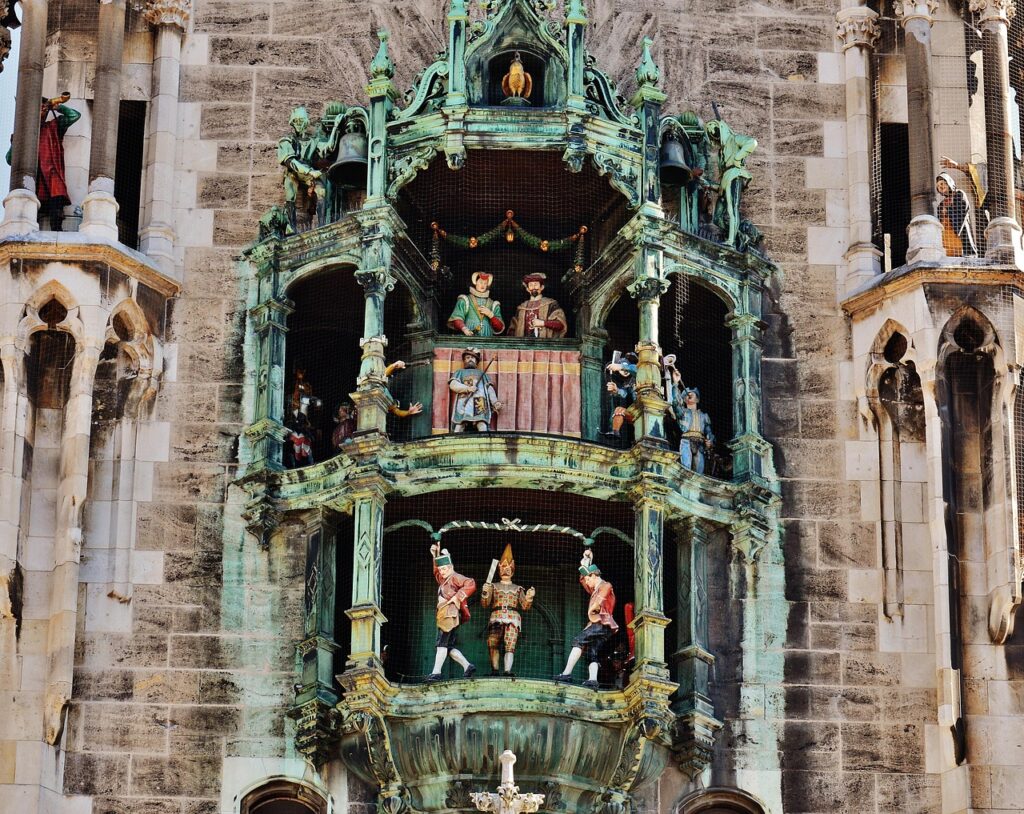
The city’s symbolic heart, Marienplatz (Marienplatz 1, 80331 München), houses the Rathaus-Glockenspiel (the Town Hall clock) which performs at 11:00, 12:00 and 17:00 (times vary in winter). Watching the show is free but arrive 15–30 minutes early for a good viewing spot. Other museums and sites: Deutsches Museum (Museumsinsel 1, 80538 München) for science, and the Residenz for Bavarian history.
Local tips:
- Dress: Trachten (Dirndl and Lederhosen) are worn with pride. If you buy one, favor specialized downtown shops — for example Lodenfrey (Theatinerstraße 11, 80333 München) — for quality pieces (prices vary: €80–600).
- Conversation: A few useful German phrases: “Ein Bier, bitte” (a beer, please), “Zam, obacht” (a local informal expression meaning roughly “together, pay attention”). Servers appreciate the effort.
- Budget: A full meal in a traditional beer hall costs about €15–30 per person depending on drinks and desserts.
3) Neighborhood Street Fairs (Stadtviertelfeste): Local Vibes and Intimate Discoveries
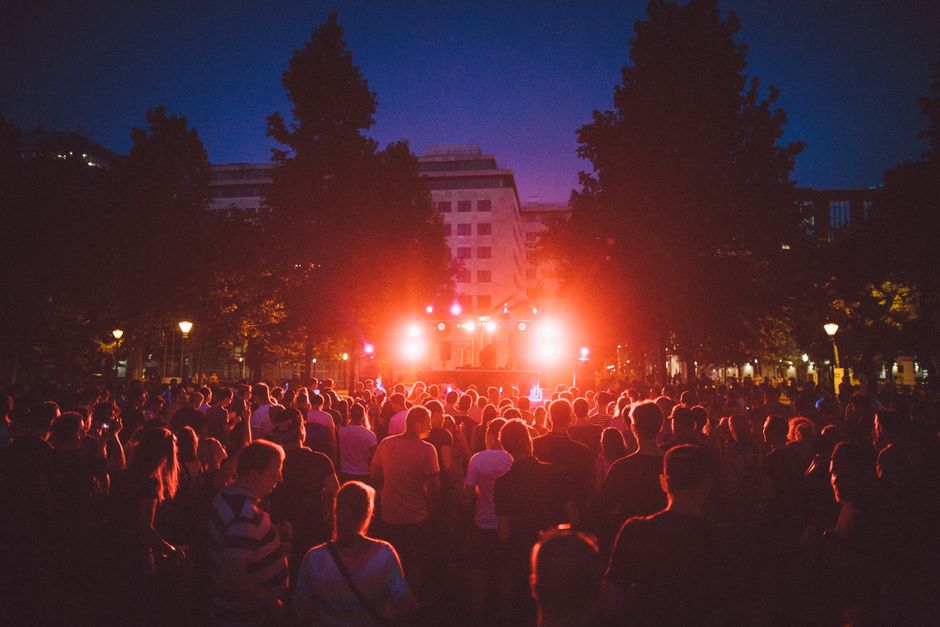
Munich isn’t just the Wiesn: the city buzzes year-round thanks to Stadtviertelfeste, street festivals organized by local neighborhoods. They’re ideal for meeting residents and discovering local artists, music, street theater and food stalls. Notable events include Gärtnerplatzfest (Gärtnerplatz, 80469 München), Sendlinger Straße Fest (Sendlinger Straße, 80331 München), and the Haidhausen neighborhood festival around Weißenburger Platz (Weißenburger Platz, 81667 München).
Hours and costs: most run over a weekend, starting in the afternoon (14:00–18:00) and continuing into late night (22:00–01:00). Entry is generally free; food and drink are modestly priced: sandwiches and local bites €3–10, draft beer €3–6. Paid performances are rare (small charity concerts or benefit shows costing €5–15).
Vibe and program: these festivals are more local than touristy. You’ll see families, groups of friends and community cultural collectives. Stages host amateur bands, DJs, folk dance troupes and kids’ workshops (painting, crown-making). At Gärtnerplatzfest the atmosphere leans youthful and artsy, with international food stands alongside Bavarian specialties.
Practical tips for enjoying Stadtviertelfeste:
- Arrive early: to grab the best spot and avoid the evening rush.
- Cash: many small stalls primarily accept cash (bring €10–20).
- Getting around: the center is well served by U-Bahn lines: Gärtnerplatz (near U2/U3 depending on station), Sendlinger Tor (U1/U2/U3/U6). Check exact routes on the MVV app.
- Support locals: these festivals often raise funds for local associations — consider donating or buying from an NGO stall to support community initiatives.
4) Seasonal Markets and Special Events: Christmas, Tollwood and Winter Traditions
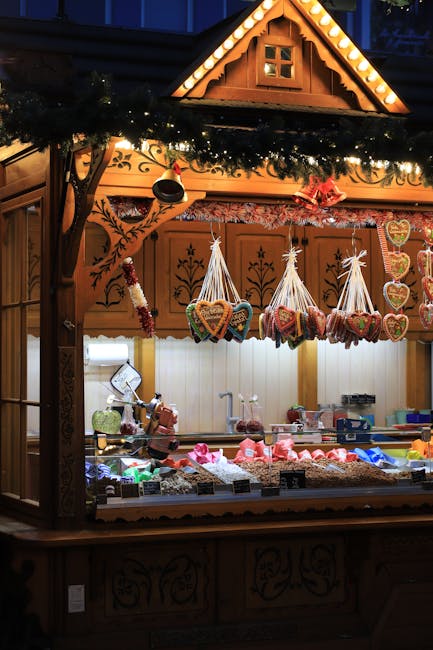
In winter, Munich transforms: Christmas markets (Weihnachtsmärkte) fill the historic squares. The Christkindlmarkt at Marienplatz (Marienplatz, 80331 München) is one of the most central and is usually open from late November until December 24. Hours: typically 10:00–21:00 (varies by day). You’ll find Glühwein (mulled wine) for about €3.50–4.50 per mug, handcrafted ornaments €5–30, and treats like Stollen (Christmas cake) €3–6 per slice.
Another major winter event is the Tollwood Winterfestival (address: Theresienwiese, 80336 München), which blends an arts market, international food and cultural performances. Entry to the market areas is generally free, but some concerts and shows require tickets (€8–30). Hours: stalls often open 12:00–22:00, with stage programs varying. Tollwood focuses on international crafts, organic cuisine and eco-projects.
Tips for winter markets: dress warmly (layers, hat, gloves), arrive in the early evening to enjoy the lights and live music, and bring a reusable mug if you want to avoid disposable cups (some markets offer a refundable deposit of €3–5 for a reusable mug).
Transport and access: Marienplatz remains the hub (U3/U6, S1–S8); Theresienwiese is accessible via U4/U5 for Tollwood. If you plan to visit several markets in one day, a MVV single-day ticket for the inner zone (Innenraum) costs about €7.90 (2026 rate to confirm) — handy and often cost-effective for active visitors.
Conclusion — Experiencing Munich’s Traditions: Final Tips and Practical Recommendations
Munich offers a rich and varied range of traditions, from the social behemoths like Oktoberfest to charming, authentic neighborhood festivals. Each experience brings its own tempo: the Wiesn for spectacle and exuberance, the markets for food and everyday life, and the Stadtviertelfeste for meeting locals. To get the most out of these events, plan ahead, book when needed, and bring curiosity and respect for local customs.
Quick practical recap:
- Theresienwiese (Oktoberfest) — Address: Theresienwiese, 80336 München; beers: €13–15 per Maß; tents open 10:00–22:30; nearest U-Bahn U4/U5.
- Hofbräuhaus München — Address: Platzl 9, 80331 München; hours 09:00–23:30; dishes €14–25.
- Viktualienmarkt — Address: Viktualienmarkt, 80331 München; hours 08:00–20:00 (Mon–Sat); specialties €1–20 depending on item.
- Christmas Markets / Tollwood — Marienplatz and Theresienwiese; Glühwein €3.50–4.50; stalls 12:00–22:00.
Finally, the key to enjoying Munich is to mix big events with quieter moments: a morning at Viktualienmarkt, an afternoon wandering Haidhausen’s lanes, an evening at a neighborhood festival, and a well-planned day at Oktoberfest. Bring respect, curiosity and a good pair of walking shoes — the city is often best discovered on foot. Whether you come for the beer, the music, the cuisine or simply the lively regional capital atmosphere, Munich will welcome you with living traditions and celebrations that keep renewing themselves.