





Introduction: Munich Between Tracks and Tunnels — Why the S‑Bahn and U‑Bahn Story Matters
Munich is a city where history is written into the railscape. Metal plaques, tunnels dug beneath historic squares and grand stations all tell the story of an urban transformation that shaped mobility, planning and everyday life. Understanding how Munich built its S‑Bahn (suburban rail) and U‑Bahn (metro) means appreciating not only engineering and technology, but also the political, economic and social forces that accompanied each stage of expansion.
This introduction aims to offer a clear, immersive overview of that origin story. We’ll touch on the first tracks, postwar decisions, the need for a fast link between the airport and the center, preparations for the 1972 Munich Olympic Games, and the network’s ongoing modernization. You’ll read how very specific places — München Hauptbahnhof (Bayerstraße 10A, 80335 München), Marienplatz (80331 München), München Ostbahnhof (Orleansplatz 11, 81667 München), the Sendlinger Tor loop, and the suburbs served by the S‑Bahn — became key nodes in a continually changing system. The addresses and landmarks mentioned will help you place each phase on a map: Bayerstraße 10A for the Hauptbahnhof, Marienplatz for the historic core, Orleansplatz 11 for Ostbahnhof, and so on.
Beyond a simple chronology, this detailed guide also explains how the network works today: schedules, frequencies, indicative fares, which tickets to choose depending on whether you’re a tourist, resident or commuter, and practical tips (best connections, off‑peak times and rush hours, luggage and bike access). You’ll find suggested routes, where to buy tickets or get reliable info — such as MVV counters in stations — and strategies to save time when transferring between S‑Bahn and U‑Bahn.
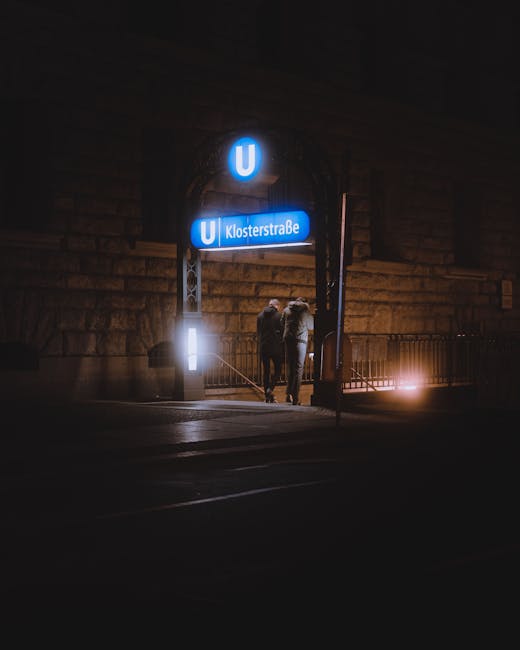
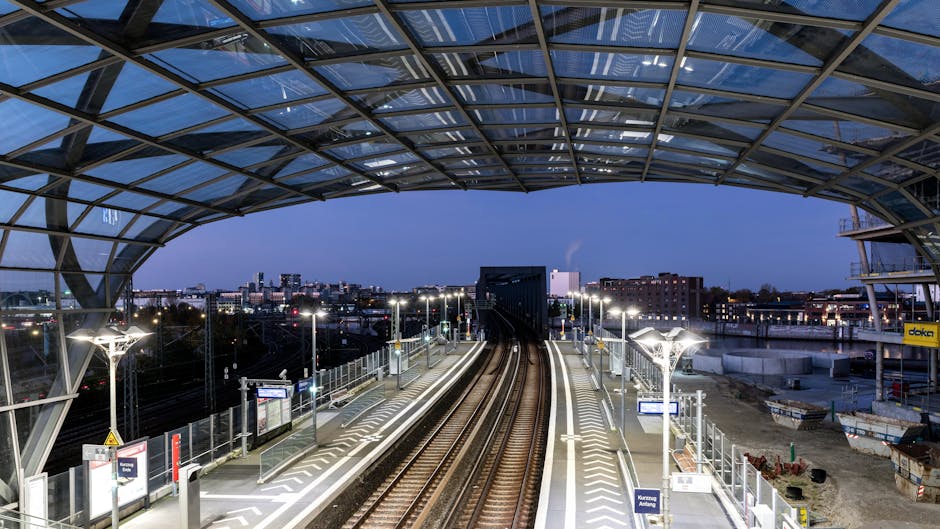
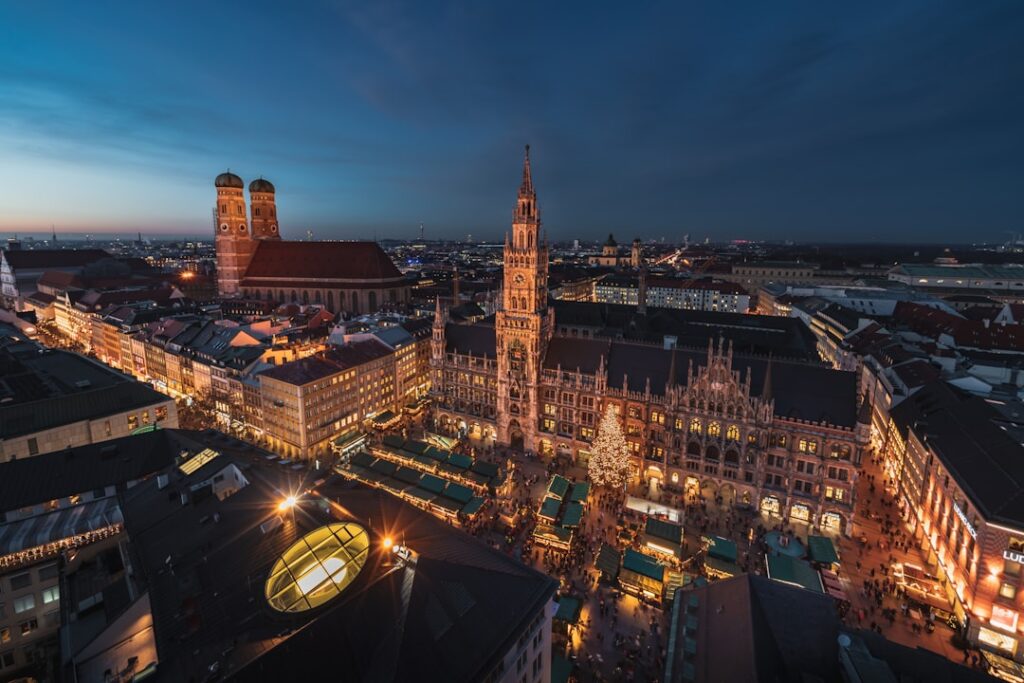
To make the narrative more visual and alive, image markers will help you picture the locations: platform views, station facades, modern tunnels, historic platforms and iconic stations. These photos illustrate the contrast between heritage and modernity that defines Munich’s network.
Origins and Early Ambitions: From Longstanding Rails to Postwar Plans
The first lines that eventually became the S‑Bahn date back to the 19th century, when Munich gradually connected to the Bavarian and imperial rail network. Major stations, notably München Hauptbahnhof (Bayerstraße 10A, 80335 München), were symbols of economic power. But prewar urban planning didn’t anticipate the suburban commuter volumes that would come later.
After 1945, Munich — like many German cities — faced the twin tasks of rebuilding and modernizing. Workers’ mobility needs and suburban growth pushed local authorities and the Free State of Bavaria to rethink regional rail service. The idea of a “Stadtschnellbahn” (city rapid railway) came from this context: the goal wasn’t just higher frequencies, but an infrastructure able to link the suburbs to the center without excessive congestion.
By the 1960s, technical studies multiplied. Ambitious plans for tunnels and new lines emerged, backed by engineers who believed in a hybrid network of open sections, covered cuttings and urban tunnels. It was the time when coordinating suburban services (future S‑Bahn) with a light metro (future U‑Bahn) began to be seen as the most efficient solution for a rapidly expanding city.
A major turning point arrived when Munich was awarded the 1972 Olympic Games. Preparing to welcome millions of visitors accelerated investment decisions: new stations were built, tunnels were driven under historic areas, and platforms were standardized to allow quick transfers. The Olympic station and the connections to the Olympiapark (Spiridon‑Louis‑Ring 21, 80809 München) were conceived as a technological showcase, strengthening political will and public acceptance of the project.
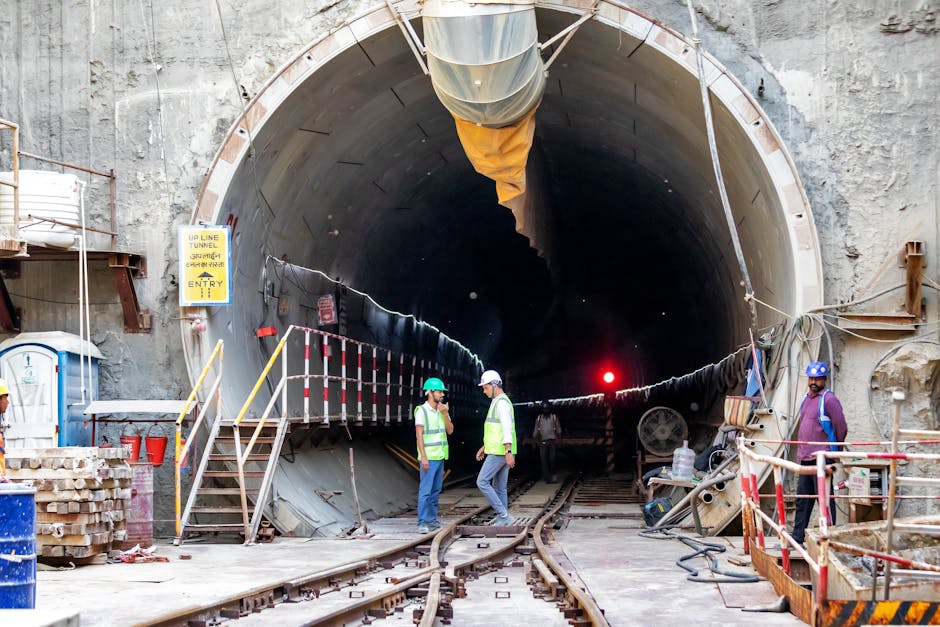
The Birth and Expansion of the S‑Bahn: Lines, Stations and the Cross‑City Tunnel
Munich’s S‑Bahn is built around a star pattern: multiple radial lines fan out from the center to serve the wide metropolitan region. The unified S‑Bahn network officially launched in the 1970s when the « S‑Bahn Stammstrecke » — the central tunnel crossing the city — linked peripheral branches. This tunnel, which runs through major stations such as München Hauptbahnhof (Bayerstraße 10A, 80335 München) and Marienplatz (Marienplatz, 80331 München), is the system’s backbone.
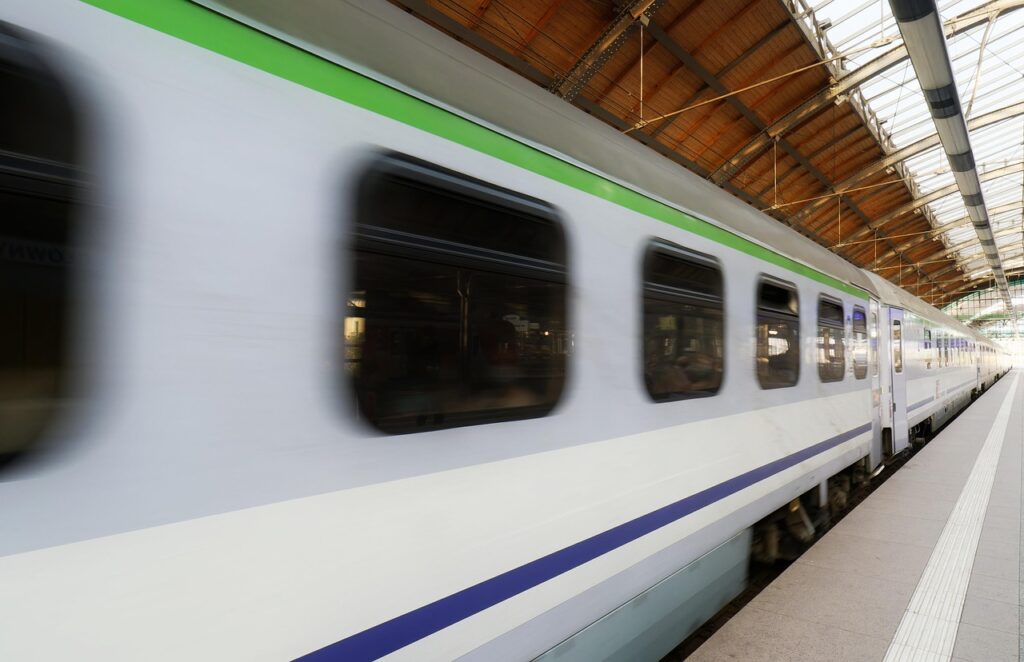
Lines S1 to S8 now serve the wider area, reaching out to distant suburbs like Freising, Weßling, and Wolfratshausen. S‑Bahn trains are recognizable by their long cars and wide doors, designed for fast passenger flows at peak times. Frequencies vary: on central sections during the day, trains can run every 2 to 10 minutes depending on the period; farther out, intervals stretch to 20–40 minutes on some branches.
Key points and practical addresses for travelers:
- München Hauptbahnhof — Bayerstraße 10A, 80335 München: connections to S‑Bahn, U‑Bahn and long‑distance trains. DB ticket counters and MVV offices are usually open 06:00–22:00.
- Marienplatz — Marienplatz, 80331 München: historic heart, S‑Bahn and U‑Bahn connections, direct access to top attractions.
- München Ostbahnhof — Orleansplatz 11, 81667 München: regional trains and S‑Bahn, a departure point for some S lines and night services.
Indicative prices and tickets (MVV fares, indicative 2024): fares are zone‑based. A single ticket for central zone M is typically around ≈ €3.60, a day ticket for zone M around ≈ €7.20, while a Kurzstrecke (short‑distance) ticket for a few stops costs about ≈ €1.90. For a trip from the airport (Franz‑Josef‑Strauß) to the city center on the S1 or S8, expect roughly ≈ €11.60 for a single ticket (airport fare, indicative).
Local practical tips: during rush hours (07:00–09:00 and 16:00–19:00), allow an extra 10–15 minutes when transferring between S‑Bahn and U‑Bahn. Platforms along the Stammstrecke can get very crowded — stand toward the platform ends to find less packed cars. If you’re traveling with luggage, prefer direct S‑Bahn trains rather than multiple U‑Bahn transfers.
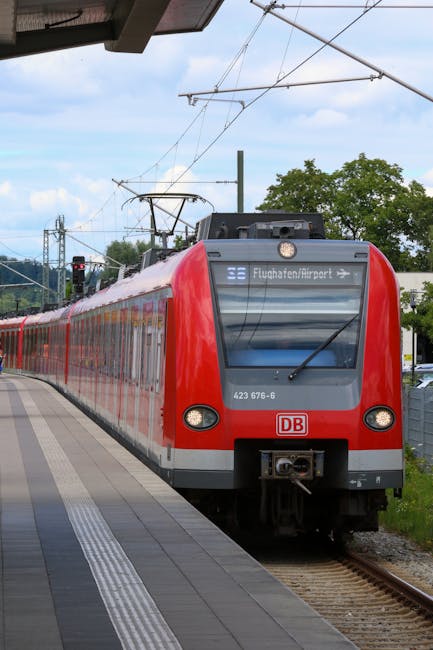
The U‑Bahn: An Underground Metro for Infill and Iconic Stations
Munich’s U‑Bahn often serves as the local urban backbone, complementary to the S‑Bahn. Designed to cover the dense urban grid, the U‑Bahn features short intervals, underground stations at the heart of residential and commercial districts, and a tight network that makes intra‑city travel easy.
Construction of the U‑Bahn followed an infill logic: sections are dug as needed, new stations opened according to demand and the network is gradually completed. Lines U1 to U8 (which vary over time with extensions) offer frequent connections with S‑Bahn lines at major hubs (Hauptbahnhof, Marienplatz, Ostbahnhof, Sendlinger Tor). Sendlinger Tor (Sendlinger‑Tor‑Platz, 80336 München) is a great example of multimodal exchange, with pedestrian access, shops and exits onto shopping streets like Sendlinger Strasse.
U‑Bahn stations display a range of architectural styles: some are functional and austere, others are real aesthetic spaces with murals, refined lighting and electronic information strips. Signage is bilingual (German/English) in tourist areas, and platforms have standardized audible announcements indicating direction and connections.
Hours and frequencies: the U‑Bahn generally runs from 04:00 to 01:00 on weekdays, with continuous service on some lines during weekend nights. During the day, expect trains every 2–7 minutes depending on the line and time. Last train times vary—check station timetables or the MVV app for exact times.
Useful U‑Bahn addresses:
- Sendlinger Tor — Sendlinger‑Tor‑Platz, 80336 München: interchange between U‑Bahn and S‑Bahn close to the old town.
- Marienplatz — Marienplatz, 80331 München: central U‑Bahn station serving U3 and U6, ideal for visitors.
- Münchner Freiheit — Münchner Freiheit, 80802 München: key station for Schwabing with its cafés, markets and shops.
Local tips: if you need to carry a bicycle, check time restrictions (bike transport is often limited to off‑peak hours). For mobility‑impaired travelers, many main stations have elevators, but verify recommended routes in advance via the MVV website or at station counters.
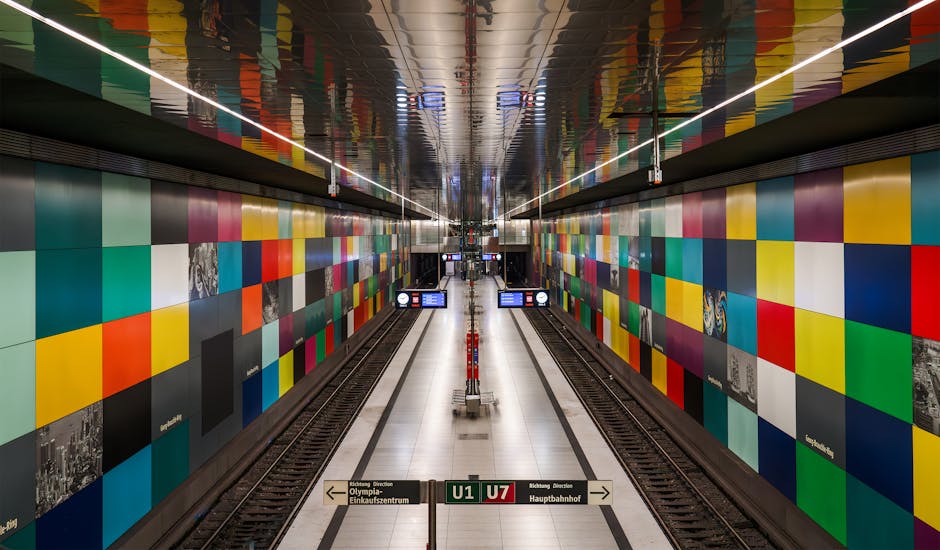
Technical Integration, Urban Planning and Recent Projects
The success of Munich’s transport system rests as much on technical solutions as on partnership‑driven planning. The MVV (Münchner Verkehrs‑ und Tarifverbund) coordinates fares and operations across U‑Bahn, S‑Bahn, buses and trams. This integrated model has made it easier to optimize transfers, zone‑based pricing and combined tickets for commuters and tourists.
On the technical side, new construction often relies on pragmatic choices: tunnel boring machines to minimize surface disruption, traditional cut‑and‑cover methods in outskirts, modernizing centralized control centers and installing real‑time passenger information systems. Platform refurbishments, lengthening platforms to handle longer trains and accessibility upgrades are ongoing works.
Recent and planned projects include improving the S‑Bahn Stammstrecke to increase capacity and reduce bottlenecks, extending U‑Bahn lines to new residential areas, and creating relay stations to serve major employment hubs. These projects involve impact studies, public consultations and engagement with residents to balance mobility needs with urban quality of life.
Where to buy tickets and which options to choose:
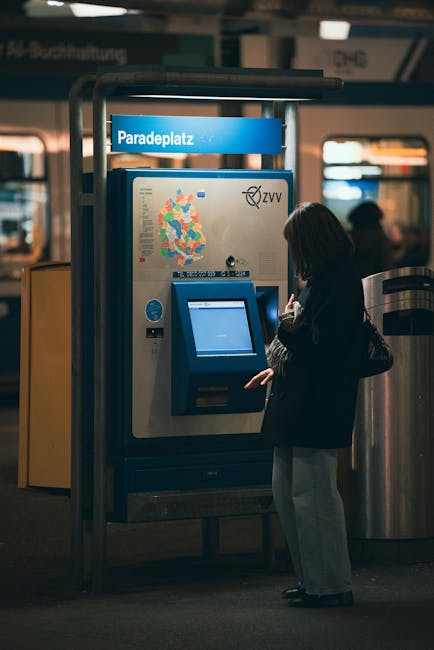
- Ticket machines in stations: available at all U‑Bahn and S‑Bahn stations. Cards and cash accepted.
- MVV/DB counters: located at München Hauptbahnhof (Bayerstraße 10A, 80335 München) and other main stations for information, monthly passes and personalized advice.
- MVV/DB mobile apps: let you buy tickets instantly and view real‑time timetables.
Practical advice: always keep your ticket during travel — spot checks are common. For tourists, compare day tickets versus single fares: for two people traveling all day, a group day ticket can be more economical. And in case of disruptions (strikes, service problems), station counters and official MVV/DB social accounts are the most reliable sources of information.
Conclusion: A Living Network, Rooted in the Past and Looking to the Future
Munich’s S‑Bahn and U‑Bahn network shows how a city can combine historic legacy with technical innovation to meet the mobility needs of a modern European metropolis. From postwar reconstruction to the intense preparations for the 1972 Olympics, and on to contemporary expansion and modernization projects, each construction phase left visible marks on the urban fabric: notable stations, deep tunnels, redesigned squares and smooth intermodal connections.
For travelers, knowing this historical arc pays off: it helps you understand transfer hubs, choose the right ticket for your route (single, Kurzstrecke, Tageskarte) and anticipate busy connections at peak times. Useful landmarks such as München Hauptbahnhof (Bayerstraße 10A, 80335 München), Marienplatz (Marienplatz, 80331 München) and München Ostbahnhof (Orleansplatz 11, 81667 München) remain essential waypoints to orient yourself quickly. The prices listed here are indicative (MVV fares) and may change — for exact fares and long‑term passes, check MVV counters or the official MVV website.
Finally, the story of Munich’s S‑Bahn and U‑Bahn is a collective one: policymakers, engineers, workers, neighbors and travelers all helped build a system that keeps evolving. Riding Munich’s transport today is like riding through history — from the busy platforms of München Hauptbahnhof to the modern tunnels of the U‑Bahn, every trip is a page in an ongoing story. Make the most of your journeys to observe, compare and, if you have time, visit the city’s emblematic stations to see how a metropolis turned mobility challenges into lasting urban opportunities.