





Introduction: Understanding the MVV — an overview of Munich’s transport
The Münchner Verkehrs- und Tarifverbund (MVV) is the integrated public-transport network that shapes everyday mobility in Munich and its wider metropolitan area. Getting the MVV means understanding its zone system, the complementary transport modes (S-Bahn, U-Bahn, trams, buses, RegionalBahn) and a fare structure designed for the flexibility of both tourists and business travelers. This practical overview gives you the essentials: typical operating hours, exact hub addresses, indicative fares in euros (current at time of writing), local tips and hands-on suggestions to make your journeys smoother.
Munich is compact and extremely well served. The historic centre (Altstadt-Lehel) is ringed by residential districts, a green belt and suburban commuter zones. The MVV divides this area into fare zones so you can pick tickets that match short inner-city hops or longer regional trips. Knowing the difference between an Einzelfahrt (single ticket), a Tageskarte (day ticket) and a Streifenkarte or Jahreskarte (season ticket) will save you both time and money. S-Bahn lines link Franz-Josef-Strauß Airport and regional stations to the city centre, while the U-Bahn handles fast frequent urban runs. Trams are a pleasant surface option for taking in Bavarian architecture and buses fill gaps at night or in the suburbs.
Practically speaking, this article includes exact addresses of major hubs like München Hauptbahnhof (Bayerstraße 10, 80335 München) and München Flughafen (Flughafen München, Nordallee 25, 85356 München), plus typical schedules: U-Bahn ~4:30–1:00 on weekdays with extra night services at weekends; S-Bahn ~4:00–1:30 with frequencies that vary by line; trams and buses run regular daytime services and night lines. You’ll also find approximate costs in euros (indicative prices at time of writing), ticket options (mobile, ticket machines, sales points), and notes on accessibility, bike and luggage transport.
Finally, this guide aims to be immersive: station atmospheres, tips to avoid peak hours, nearby useful places (hotels, attractions like Marienplatz, Deutsches Museum, Englischer Garten), and local tricks to make travel smoother. Whether you’re on a short sightseeing trip or an extended business stay, mastering the MVV is key to enjoying Munich without hassle. The numbered sections below lay things out clearly and progressively: from the network and key lines to buying tickets and getting to/from the airport.
1. MVV at a glance: zones, structure and fare logic
The MVV organises Munich and its region into an integrated system of concentric zones and coordinated transport modes. The central zone labeled « M » covers most of the inner city (Altstadt, Maxvorstadt, Schwabing, Haidhausen, etc.). Beyond that you move through numbered rings (1 to 6 and beyond on the MVV map). This breakdown is crucial for choosing the right ticket: an Einzelfahrt (single ride) can be limited to zone M or extended across several rings depending on distance.
The network rests on four pillars: S-Bahn (suburban trains), U-Bahn (underground/metro), tram (Straßenbahn) and buses (day & night services). RegionalBahn (RB) and RegionalExpress (RE) add longer-distance connections, linking Munich to nearby towns like Freising, Rosenheim or Garmisch-Partenkirchen. Major stations and interchange hubs — München Hauptbahnhof (Bayerstraße 10, 80335 München), München Ostbahnhof (Ostbahnhofstraße 1, 81667 München), Marienplatz (Marienplatz, 80331 München) — provide frequent connections between these modes.
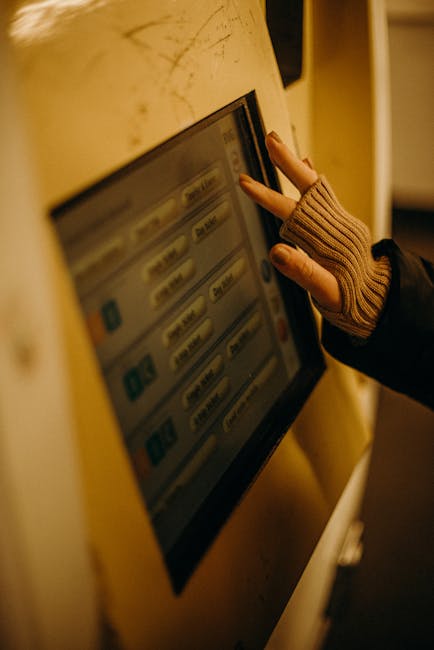
On fares, the common options are: Einzelfahrt (single ticket), Kurzstrecke (short trip for a few stops), Tageskarte (day ticket per zone), Gruppentageskarte (day ticket for a group), Streifenkarte (coupon strip system sometimes replaced by standard tickets) and season passes (Monatsticket, Jahreskarte). Typically a visitor will buy an Einzelticket for a one-off ride or a Tageskarte if planning multiple trips that day. Prices vary by zone: to give a sense (indicative prices, May 2026), Einzelfahrt zone M ≈ €3.60; Tageskarte zone M ≈ €8.60; Kurzstrecke ≈ €2.50. Tickets are available at station machines, via the MVV app or at retail points.
The system aims for simplicity and speed: validating a ticket is generally not required across the MVV (except on some specific services), but you must buy a valid ticket before you travel or risk a fine. Random inspections are carried out by fare inspectors (Fahrgastkontrolle); fines for no ticket commonly exceed €60. MVV also offers combined tourist cards (CityTourCard) that sometimes include discounts to museums and attractions — handy if you’re planning several visits in a day.
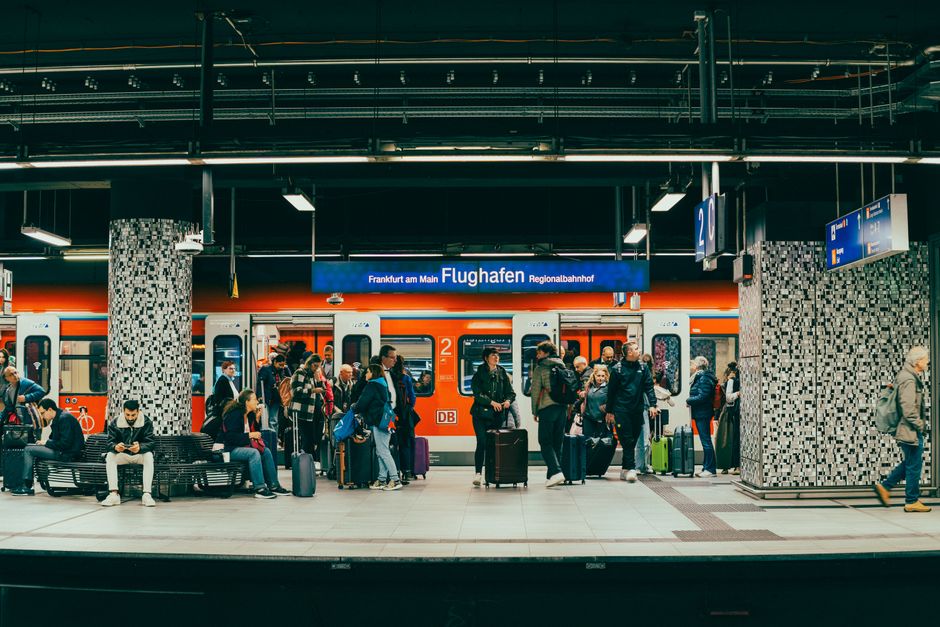
2. S-Bahn: radial lines and airport connection
Munich’s S-Bahn forms the radial backbone of the network. Lines are labelled S plus a number (e.g. S1, S2, …), linking the city centre with suburbs and the airport. Much of the S-Bahn runs above ground and shares central tunnel sections to provide high frequencies during peak hours (typically every 10–20 minutes, sometimes every 10 on central segments).
The most notable connection is the S1 and S8 serving Munich Airport — Flughafen München (Flughafen München, Nordallee 25, 85356 München). The trip from München Hauptbahnhof (Bayerstraße 10, 80335 München) to the airport takes about 35–45 minutes depending on the line. Frequency: roughly every 20 minutes during the day. Indicative fare: single ticket from zone M to the airport (outer fare) ≈ €12.90 (airport single ticket), though you can sometimes use a zone-inclusive 1-day ticket depending on coverage. S1 and S8 are convenient for luggage; board at the ends of the trains where there are often dedicated suitcase areas.
Hours: S-Bahn usually runs from around 4:00 until about 1:30; night services are boosted on certain nights and weekends when night lines (N) operate. Note: some S lines run less frequently on Sundays and public holidays. Major stations like München Hauptbahnhof, Marienplatz, Ostbahnhof and München-Pasing are key interchange hubs where you can easily transfer to U-Bahn or trams.
Local tips: for airport arrivals, check whether your ticket includes the airport (some Tageskarte types exclude it). Use the MVV or DB Navigator apps to find precise platforms — station displays clearly show S-Bahn/Regional trains and connections. During rush hours (7:30–9:30 and 16:30–18:30) expect crowded trains; if you have large luggage, allow extra time to travel more comfortably.
3. U-Bahn: quick underground routes and key urban lines
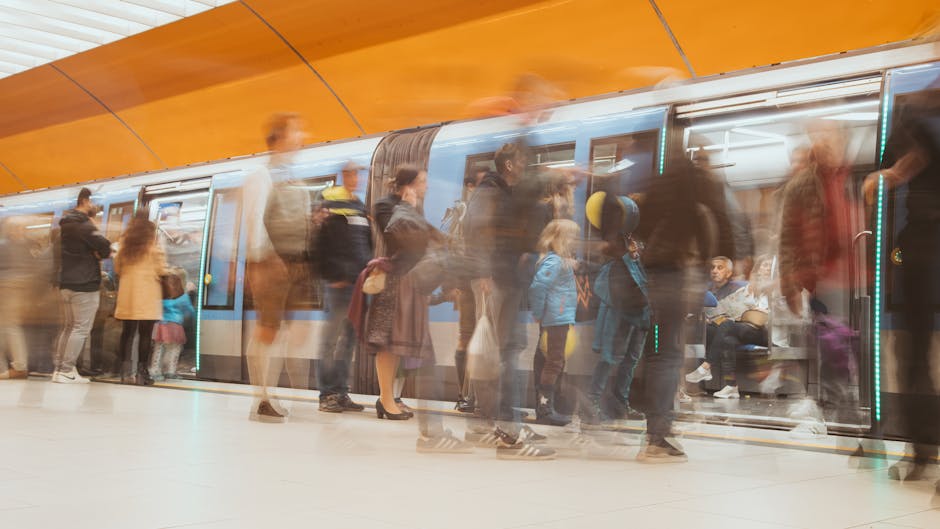
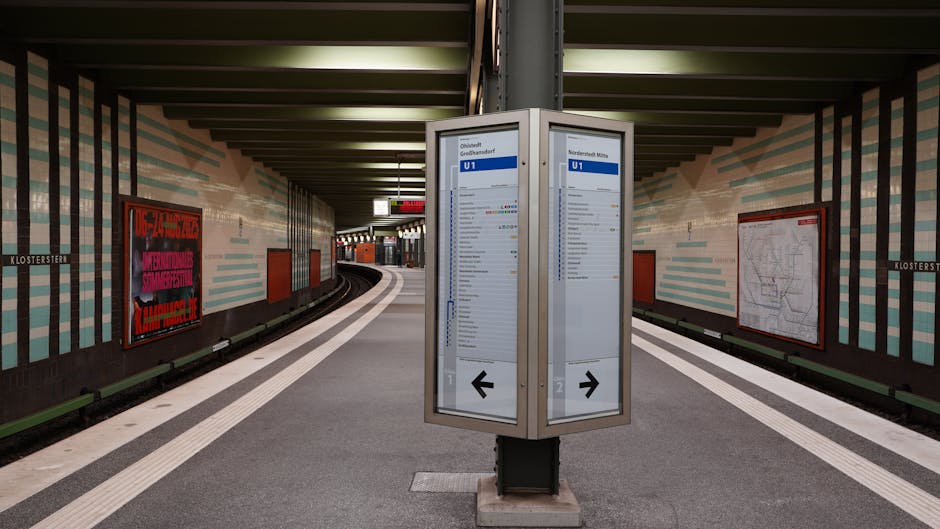
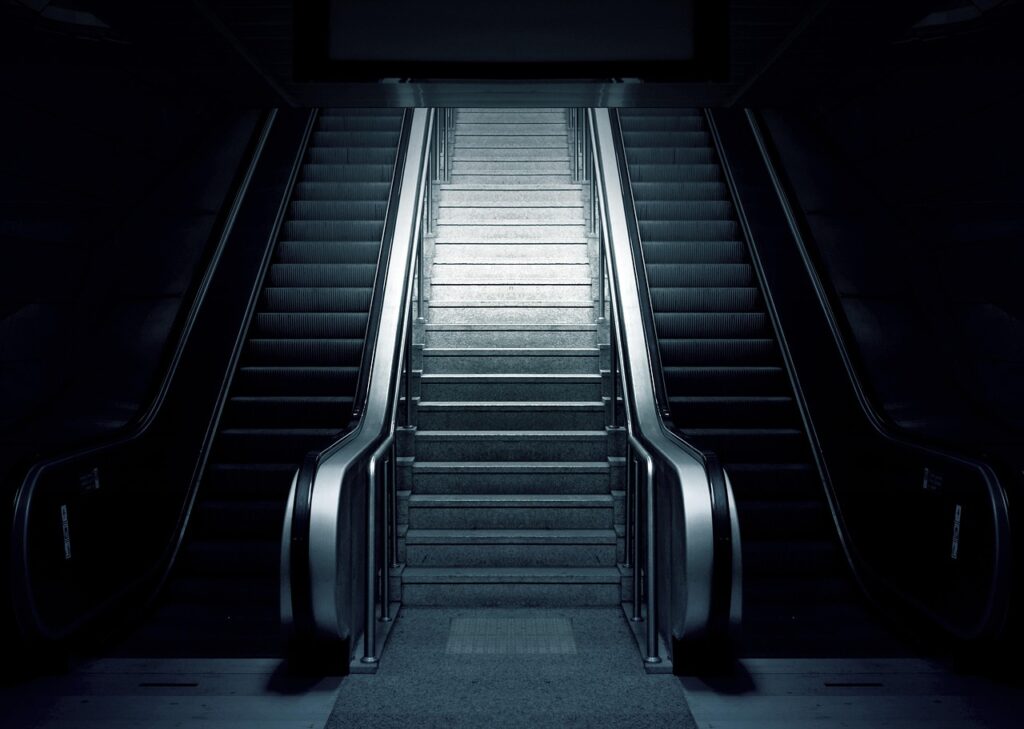
Munich’s U-Bahn (metro) is the underground network that guarantees fast travel within the city. Lines use U plus a number (e.g. U1, U2, U3, U6) and mostly serve the centre and densely populated districts. Stations are modern, with digital displays showing wait times and accessibility lifts on many lines.
Hours: U-Bahn typically runs from about 4:30–5:00 in the morning until 1:00–1:30 at night. Weekend services are often extended to cover parts of the night (notably Fridays and Saturdays when some lines run through with reduced night frequencies). Frequencies: daytime 5–10 minutes in the centre; evenings 10–20 minutes. Key stations: Marienplatz (Marienplatz, 80331 München), Odeonsplatz (Odeonsplatz, 80539 München), Sendlinger Tor (Sendlinger-Tor-Platz 1, 80336 München).
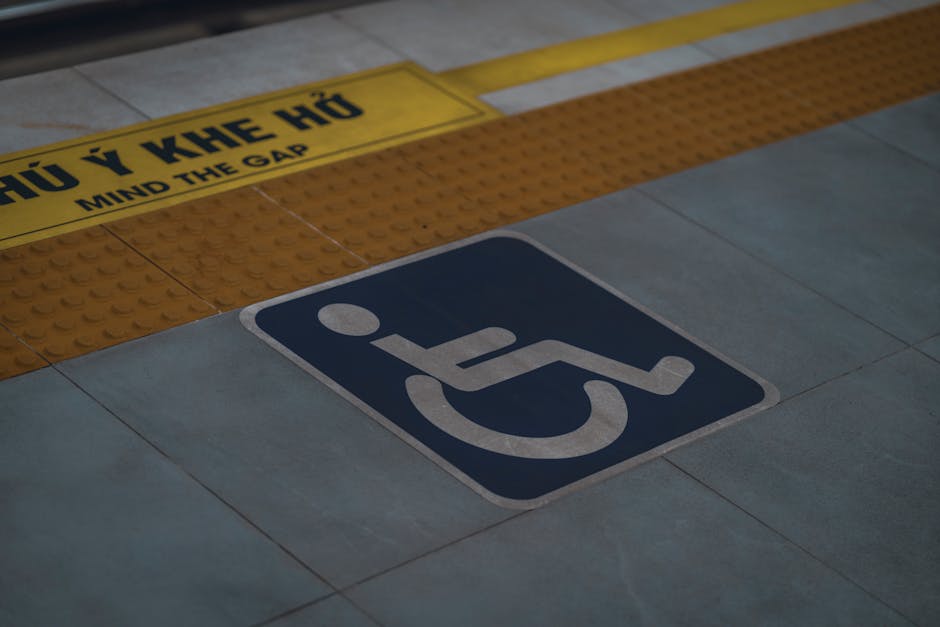
Fares and accessibility: the standard MVV tickets (Einzelfahrt, Tageskarte) apply. For short inner-city hops the Kurzstrecke (short trip) can be enough — typically up to 4 stops on the U-Bahn — and is cheaper (≈ €2.50, indicative). Main stations have ticket machines accepting cash and cards and gates for ticket validation. For passengers with strollers or wheelchairs, most central U-Bahn stations have lifts and ramps; look for the accessibility pictogram on station maps.
Practical tips: watch your transfers — some platforms are on different levels. At Marienplatz, for example, U-Bahn and S-Bahn intersect but transfers can take 5–10 minutes on foot between platforms. In the evening, avoid quiet platforms and stay near well-lit areas and ticket machines; report issues to staff. For tourists the U-Bahn is ideal to reach neighbourhoods like Schwabing (U3/U6), museums (U1/U2/U3 depending on location) or the Olympic Park (U3, Olympiazentrum station).
4. Trams and buses: surface routes, frequencies and noteworthy lines
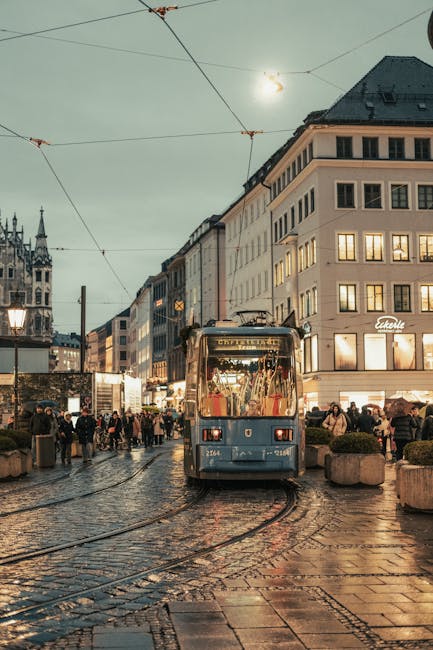
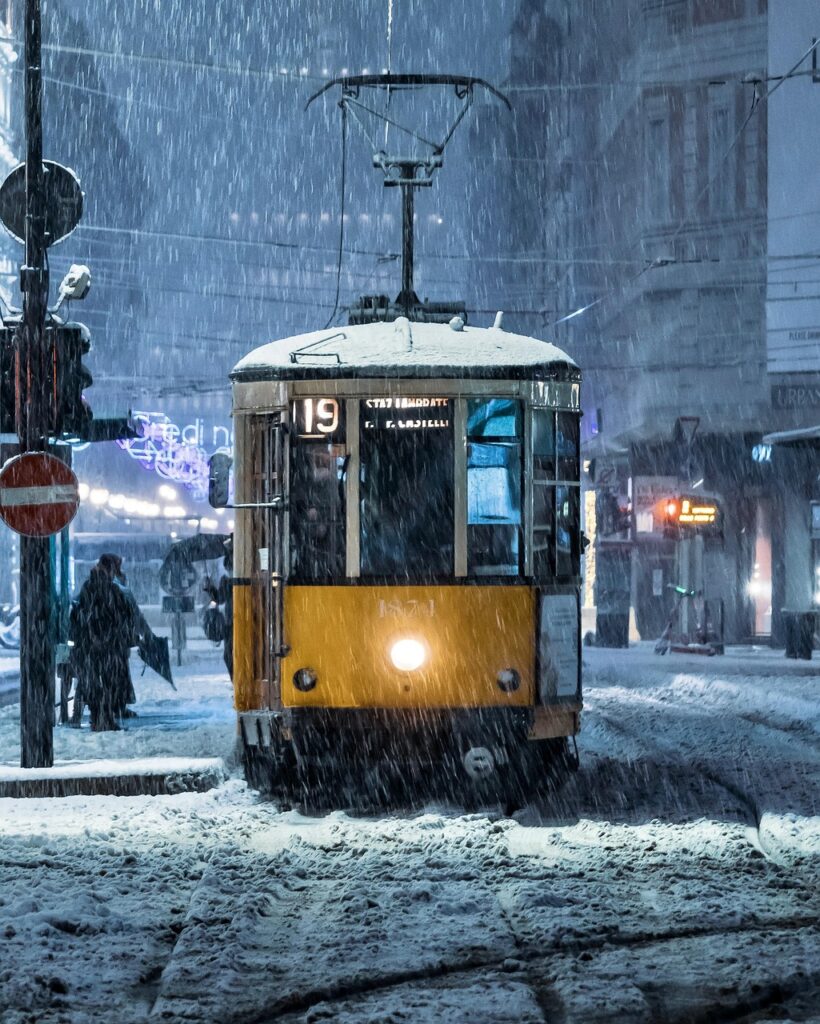
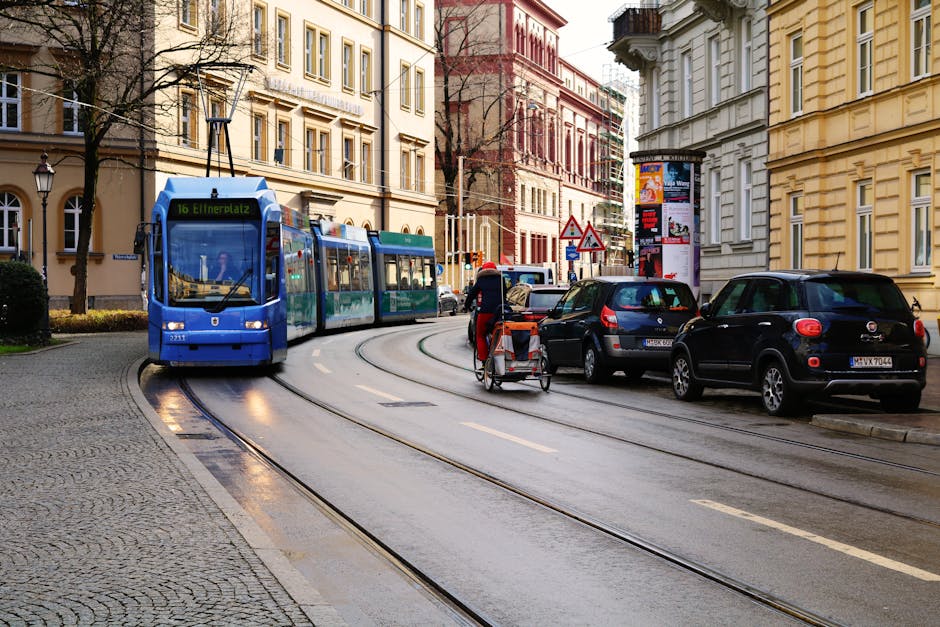
Munich’s tram network (Straßenbahn) is a pleasant, scenic alternative for getting around the city. Trams run on the surface, often along broad avenues, and let you admire Bavarian architecture without going underground. Signature routes include Tram 19 which runs from the central station toward Maxvorstadt (university districts) and Trams 27/28 serving important peripheral corridors.
Key interchange addresses: Hauptbahnhof (Bayerstraße 10, 80335 München) — a large node connecting S-Bahn, U-Bahn, trams and buses; Marienplatz (Marienplatz, 80331 München) — the tourist heart. Trams typically run from ~5:00 to ~0:30 with daytime frequencies of 5–15 minutes depending on the line. Buses complement the network, especially for suburban and night connections. Nachtbus night buses usually use an N prefix and a number (e.g. N41, N48), operating mainly at weekends and linking neighbourhoods to the centre.
Fares: MVV tickets are valid on trams and buses. You can buy tickets at station machines, sometimes on board (depending on the driver and route) or via the MVV app. Fares are zoned; a Tageskarte for zone M lets you use tram, bus, U-Bahn and S-Bahn in that zone for unlimited journeys that day. Example indicators: Tageskarte M ≈ €8.60; Gruppentageskarte for up to 5 people ≈ €16.80 (indicative, May 2026).
Local tips: to enjoy the view pick a seat by the large windows and, if possible, sit at the front or back of the tram. Buy your ticket before boarding: inspections are frequent and fines are steep. Use central doors to speed boarding and alighting, and validate if required. Trams can be slower than the U-Bahn in heavy traffic, but they’re more comfortable for short trips and great for reaching tourist spots directly. Buses serve residential pockets not covered by the U-Bahn — check timetables at stops or the MVV app for the best connections.
5. Main stations and interchanges: München Hauptbahnhof and key hubs
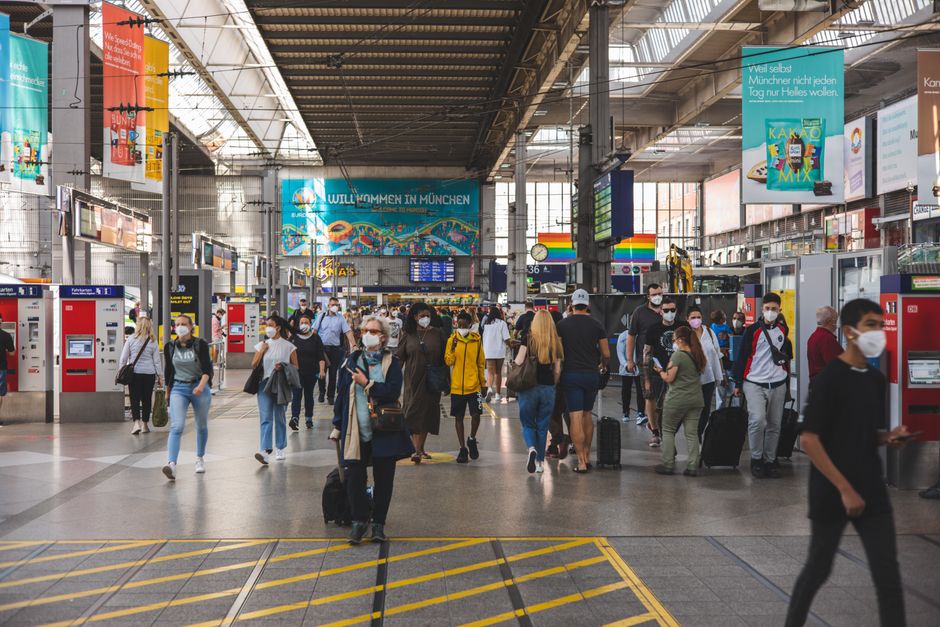
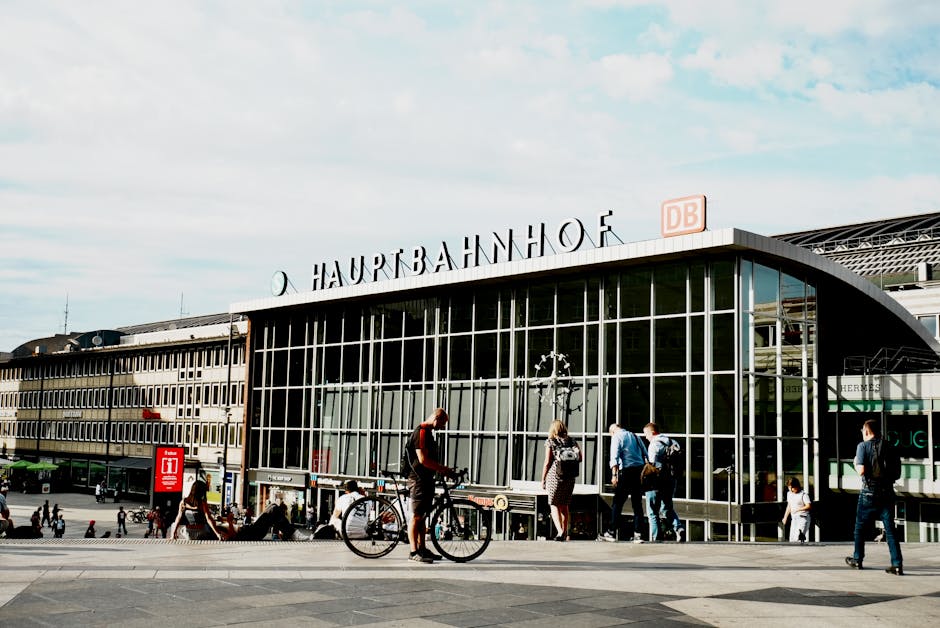
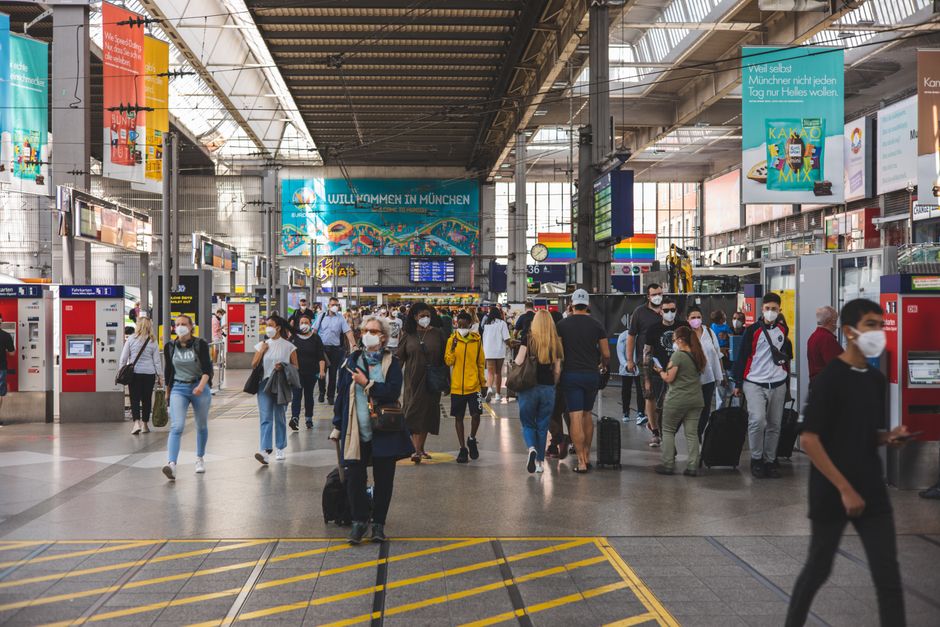
München Hauptbahnhof (main station) is Munich’s rail heart. Address: Bayerstraße 10, 80335 München. It’s a large multimodal complex where S-Bahn, U-Bahn, trams, buses and regional/long-distance trains (DB Fernverkehr) meet. The station offers many services: DB ticket counters, ticket machines, luggage lockers, shops, car hire desks and nearby hotels. From Hauptbahnhof you can reach Marienplatz by S-Bahn in about 2 minutes or by U-Bahn in 1–2 stops.
Other essential hubs:
– München Ostbahnhof (East station) — Ostbahnhofstraße 1, 81667 München: a hub for S-Bahn, regional trains and intercity buses. Good access to Haidhausen and the Deutsches Museum (via tram/bus).
– München-Pasing — Bahnstr. 28, 81241 München: an important west-side station and interchange for regional trains and S-Bahn.
– München Flughafen (Airport) — Nordallee 25, 85356 München: served by S1/S8 (see section 2).
– Marienplatz — Marienplatz, 80331 München: tourist centre, U-Bahn and S-Bahn interchanges, close to the visitor information office and the city hall.
Hours and services: major hubs like Hauptbahnhof and Ostbahnhof have extended hours with intercity departures early in the morning (about 5:00) and late services. DB ticket counters typically operate ~6:00–20:00 depending on location; for 24/7 needs, use ticket machines and the DB/MVV apps. Hauptbahnhof’s retail area and eateries make waiting for a connection more comfortable.
Practical tips: for long-distance departures arrive 20–30 minutes early to find your platform and check-in luggage if needed. When switching from S-Bahn to U-Bahn follow the « S » / « U » signs and ask staff if escalators or lifts are needed. Luggage lockers at Hauptbahnhof are in the main hall (check information boards or DB help desks) with variable prices by size and duration (indicative daily rates: small ≈ €6, medium ≈ €8, large ≈ €12). Always keep a valid ticket before leaving platforms.
6. Tickets and passes: where to buy, typical fares and money-saving tips
Buying an MVV ticket is straightforward but depends on how you’ll use the network. Purchase options: station ticket machines (with language choices including English), official mobile apps (MVV, DB Navigator), station counters (DB Reisezentrum) and partner kiosks. For tourists, the CityTourCard and short-term IsarCard subscriptions can offer useful savings, sometimes combining transport and museum discounts.
Ticket types:
– Kurzstrecke (very short trip): for a few stops only, reduced fare (≈ €2.50 indicative).
– Einzelfahrt (single ticket): valid for one journey across the zones travelled (zone M ≈ €3.60 indicative).
– Tageskarte (day ticket): unlimited travel within the chosen zone(s) for a day (zone M ≈ €8.60 indicative).
– Gruppentageskarte: day ticket for groups up to 5 people — great for families or small groups.
– IsarCard/Monatsticket/Jahreskarte: weekly, monthly and annual passes for residents.
Saving tips: if you plan to use public transport three times or more in a day, a Tageskarte usually pays off versus multiple Einzelfahrten. The group ticket is a great deal for families or friends travelling together. For short stays, check the CityTourCard which can include museum discounts (e.g. Deutsches Museum); it’s sold at the Marienplatz tourist office (Rathaus – Marienplatz, 80331 München) and tourist kiosks.
Validation and checks: across the MVV network you must have a valid ticket before boarding. Some stations have gates; elsewhere buy and either punch/validate or keep the ticket as instructed. Random checks by staff occur — fines for travelling without a ticket can exceed €60. Keep receipts and tickets until you exit the system.
7. Accessibility, bikes and luggage: options for specific travellers
Munich and the MVV prioritise accessibility: most main stations and many U-Bahn stops have lifts, ramps and signage adapted for passengers with reduced mobility. Major platforms at München Hauptbahnhof, Marienplatz, Sendlinger Tor and Ostbahnhof include lifts and accessible toilets. For precise details consult the MVV accessibility map online or ask at DB Reisezentrum counters.
Bicycles: MVV permits bikes on several services, notably S-Bahn and certain regional trains, though restrictions apply during peak hours (often banned 6:30–9:00 and 16:00–18:00 toward the city). Some carriages have bike sections and a bike ticket may be required. U-Bahn and trams sometimes allow bikes outside peak times — check pictograms and announcements.
Luggage: if you’re travelling with suitcases, prefer S-Bahn/RE services to the airport where dedicated luggage areas exist. Luggage lockers (Schließfächer) at München Hauptbahnhof come in different sizes (indicative prices: small ≈ €6/day, medium ≈ €8/day, large ≈ €12/day). Keep valuables on you and secure your bags. If you travel with e-bikes or large groups, check ahead — some sections may restrict access.
Practical tips: allow extra time for travellers with reduced mobility, contact MVV/Kundenservice for assistance (at major stations) and check lift status via the MVV app. In case of incidents, staffed major stations can help arrange alternatives.
8. Night travel and safety: N lines and safety tips
Munich maintains a structured night network to keep people moving after hours. Nachtbus night buses (N lines) and selected night services on U-Bahn/S-Bahn (depending on the night and line) connect neighbourhoods to the centre. Major night routes often originate from hubs like Hauptbahnhof, Ostbahnhof or Marienplatz. Frequency is variable, typically every 30–60 minutes depending on route and time.
Safety: Munich is generally safe, but apply common-sense precautions at night: stay in well-lit areas, avoid isolated platforms, watch your belongings and choose carriages with other passengers. Ticket checks can still happen — keep your ticket handy. In emergencies call 110 for police and 112 for medical/fire services.
Night fares: standard MVV tickets apply overnight. If you’ll be travelling a lot in one evening (bars, concerts), a Tageskarte can be the most economical option. For very late airport trips, check whether there are direct trains or if you’ll need to change in the centre.
Local tips: plan your late-night route in advance and note the last departure from your area using the MVV app or station timetables. If travelling in a group, the Gruppenticket can still be worthwhile at night. If you’d rather not use public transport, official taxis and ride-hailing services are available; taxi ranks are located near Hauptbahnhof and Flughafen.
9. Getting to attractions: how to reach Marienplatz, the English Garden and the Deutsches Museum
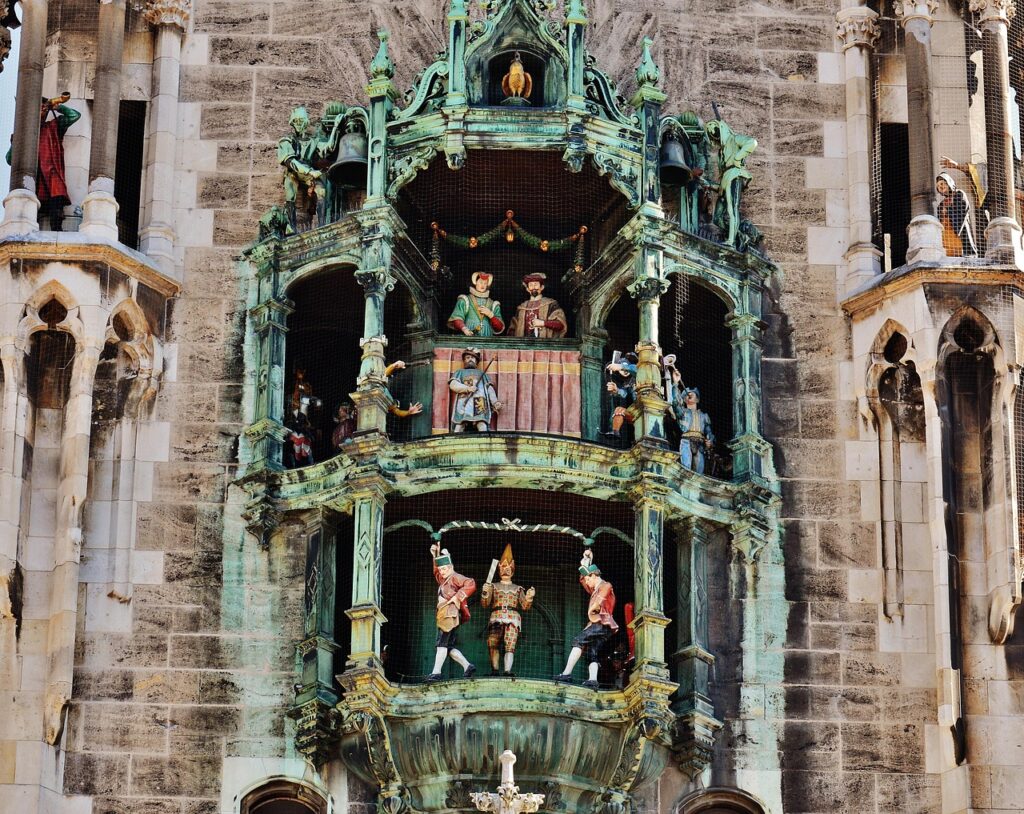
Munich is full of attractions that are easy to reach using the MVV. Marienplatz (Marienplatz, 80331 München) is the city’s tourist hub — served directly by S-Bahn (S1–S8 on various tracks) and U-Bahn (U3, U6). Here you’ll find the New Town Hall (Neues Rathaus) and the Glockenspiel. To reach the Deutsches Museum (Museumsinsel 1, 80538 München) take the U-Bahn to Isartor (Isartorplatz 1, 80331 München) or a tram/bus from Hauptbahnhof: expect 10–15 minutes from the centre.
The Englischer Garten (English Garden) — entry commonly via Universität (Ludwigstraße area) or the Universität U-Bahn station (Geschwister-Scholl-Platz) — is reachable by U-Bahn (U3/U6) and several bus lines. To get to the southern park area or the Chinese Tower beer garden (Chinesischer Turm, Englischer Garten 3, 80538 München) descend at Universität and walk 10–20 minutes depending on your start point.
Indicative travel times: Marienplatz from Hauptbahnhof (S-Bahn) ≈ 2–3 minutes; Deutsches Museum from Hauptbahnhof ≈ 10–12 minutes by tram or U-Bahn; Englischer Garten from the centre ≈ 10–20 minutes depending on entry point. To make the most of sightseeing, buy a Tageskarte for zone M (≈ €8.60 indicative) and start early — popular sites fill up quickly after 11:00, especially in high season.
Immersive tip: for a local feel, take a slow tram ride northeast and hop off for a picnic in the park; watch locals playing football along the Isar and the surfers at the Eisbach Wave (Eisbachwehr, Prinzregentenstraße area). Local guides often recommend combining events like Oktoberfest (in season) or Christmas markets (in December) with tram rides to soak in the city’s atmosphere.
10. Final practical tips: pick the right pass, avoid pitfalls and enjoy the MVV
To wrap up, here are concise practical tips to make your Munich travel easy and enjoyable. First, assess your needs: short tourist stay (1–3 days) → Tageskarte zone M is often ideal; longer stays → consider an IsarCard or monthly pass; group travel → Gruppentageskarte. Buy tickets via the MVV app to save time and get real-time updates.
Second, avoid common mistakes: never board without a ticket, even for a short hop; don’t expect counters to be open 24/7 outside major stations; always check whether your ticket covers the airport. Ticket checks are frequent and fines apply immediately. Third, allow transfer time: in hubs like Hauptbahnhof follow the “S / U / Tram” signs and leave 10–15 minutes for intermodal connections.
Fourth, work around peak hours: to dodge crowds travel early in the morning or mid-afternoon. Carry a small bag for essentials and wear comfortable clothes. Fifth, use local services: visitor information at Marienplatz for the CityTourCard, DB Reisezentrum (Hauptbahnhof, Bayerstraße 10) for long-distance help, and kiosks for maps and tourist extras.
Finally, let yourself enjoy the city: the tram gives a panoramic view of neighbourhoods, the U-Bahn saves time, and the S-Bahn opens up Bavarian day trips (Salzburg, Garmisch-Partenkirchen, Neuschwanstein Castle via regional connections). Follow these tips and check the MVV app or station displays — your trips around Munich will be smoother, safer and sometimes quite enjoyable.
Conclusion: master the MVV to enjoy Munich
Mastering the MVV is essential to make the most of Munich — whether you’re a rushed tourist, a business traveler or a temporary resident. The integrated network of S-Bahn, U-Bahn, tram and buses covers the city and region comprehensively, while zoned fares offer options for all kinds of trips. This guide covered the essentials: network layout, airport links, typical schedules, major interchange hubs (München Hauptbahnhof, Marienplatz, Ostbahnhof), ticketing and passes, accessibility, night travel and access to key attractions like the Englischer Garten and the Deutsches Museum.
Remember to plan ahead: choose a Tageskarte if you expect multiple trips, check rules for bikes and luggage, and use the MVV and DB apps for real-time schedules. Follow the rules (buy your ticket before you travel) to avoid fines and favour main hubs for quicker transfers. Local tips — avoid peak hours, take trams to see the city, use Hauptbahnhof lockers — will help you travel with more peace of mind.
Munich is as much discovered through its daily journeys as through its museums: let the MVV’s rhythm carry you through neighbourhoods, beer gardens and parks. With a bit of planning and the right ticket for your stay, your travel will be a pleasant part of your Bavarian experience. Safe travels and enjoy discovering Munich!