





Introduction — Gourmet Strolls in Munich: Why the Markets Matter
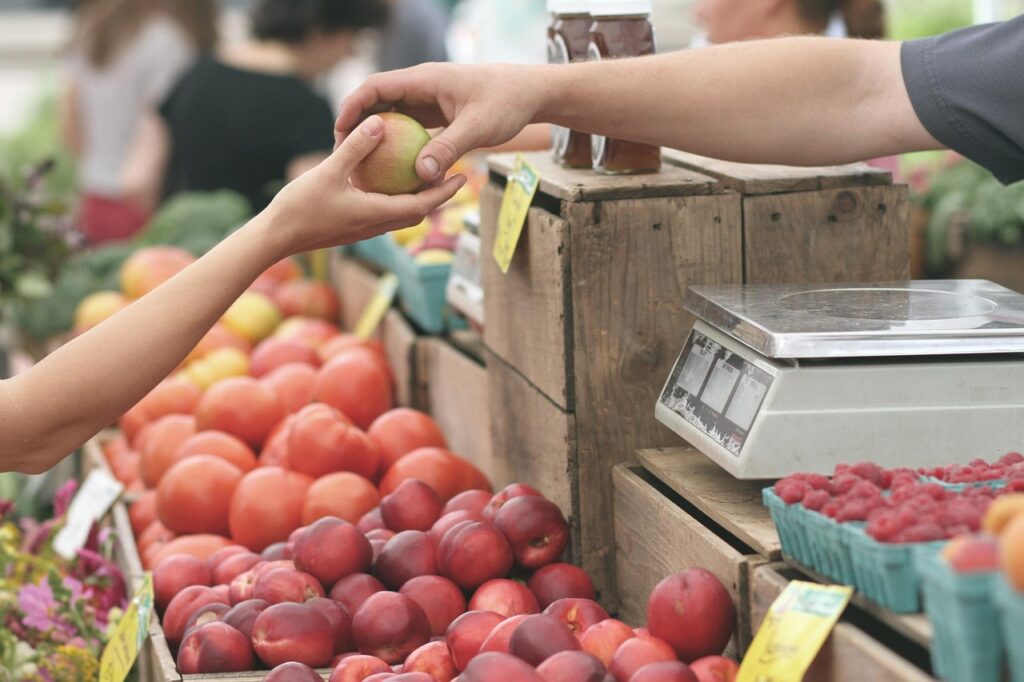
Munich isn’t just a hub of culture and architecture — it’s a city where food tells a story every day through stalls, aromas and conversations. The markets here are little urban worlds where Bavarian traditions, European craftsmanship and international influences meet. Wander between the stands and you’ll find greengrocers, bakers, butchers, cheesemongers and producers of regional specialties — all happy to offer a taste, a tip and a story. These places capture the city’s culinary soul: they feed locals, inspire chefs and fascinate visitors.
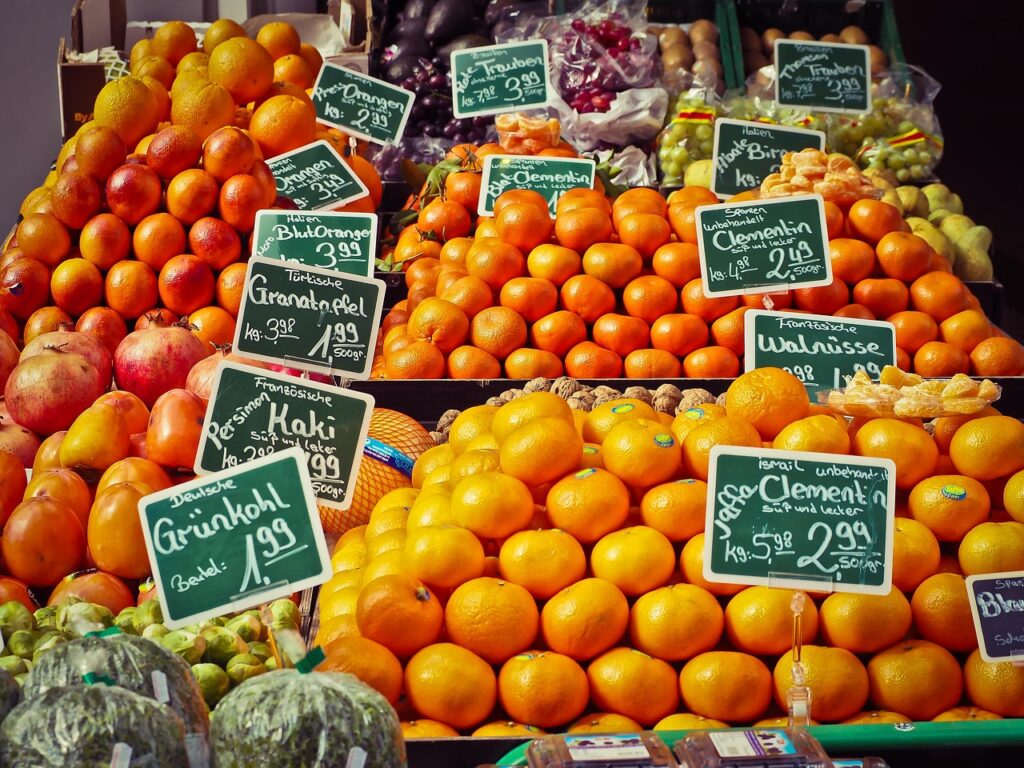
This guide gives you a practical, detailed tour of Munich’s can’t-miss markets. You’ll find concrete info: full addresses, usual opening hours (with notes on seasonal changes), price ranges for signature items, immersive descriptions of the atmosphere, and local tips to get the most out of each visit. Whether you’re hunting for regional cheese, tasting a freshly made Weißwurst, hunting down vintage porcelain or simply sipping a beer in the sun, these markets promise memorable experiences.
We’ll cover a variety of markets: the famous Viktualienmarkt in the city center, the traditional Auer Dult fair that returns three times a year, the lively neighborhood market at Wiener Platz, the boho/upmarket Elisabethmarkt in Schwabing, and event markets like the Christmas Market (Christkindlmarkt) at Marienplatz and the Tollwood Festival on the Theresienwiese. Each has its own personality, culinary specialties and unwritten rules — for example, it’s common to sample a product before buying if the vendor offers a taste, but always ask politely. Hours and availability change with the seasons: outdoor markets often scale back in deep winter or become even livelier during the holidays.
Before we dive in, a few practical tips: bring reusable bags and some cash (many small vendors are reluctant to take cards for low-value purchases), wear comfortable shoes for cobbles, arrive early to avoid tourist crowds (especially at Viktualienmarkt), and check specific hours on German public holidays (Tag der Deutschen Einheit and regional Feiertage) when some markets may be closed or run altered hours. With that in mind, let’s explore Munich’s essential markets.
Viktualienmarkt — Munich’s Gourmet Heart
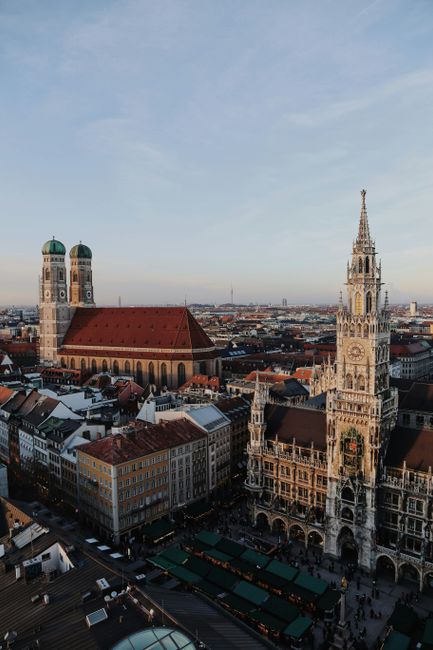
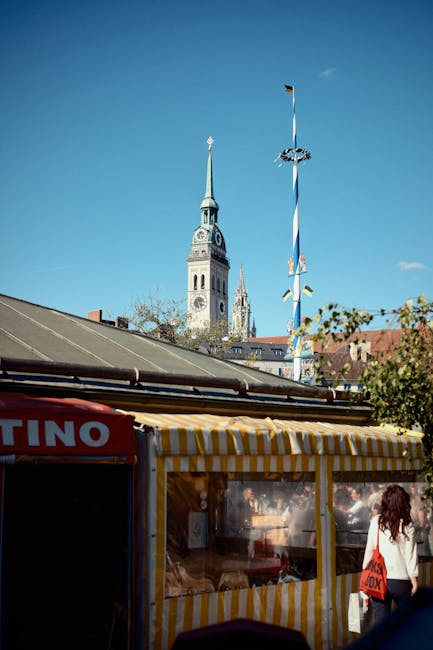
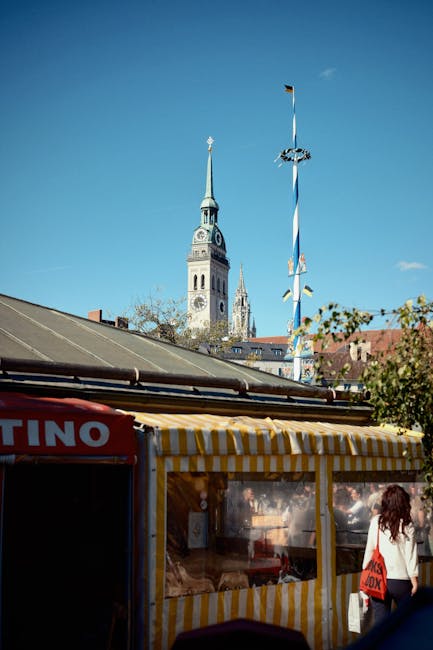
The Viktualienmarkt is probably Munich’s most iconic market. Just a stone’s throw from Marienplatz, it stretches between Frauenstraße and the Heiliggeistkirche, and its official address is Viktualienmarkt 3, 80331 München. This large open-air market features more than 140 permanent and seasonal stalls gathered around a central fountain topped by a cross and a maypole decorated in summer.
Typical hours: Monday to Saturday, roughly 8:00–20:00, though many stalls close between 17:00 and 18:00 on weekdays and around 16:00 on Saturdays. The market is closed Sundays except for special events. During holidays (Christmas, Easter) some vendors may run extended hours.
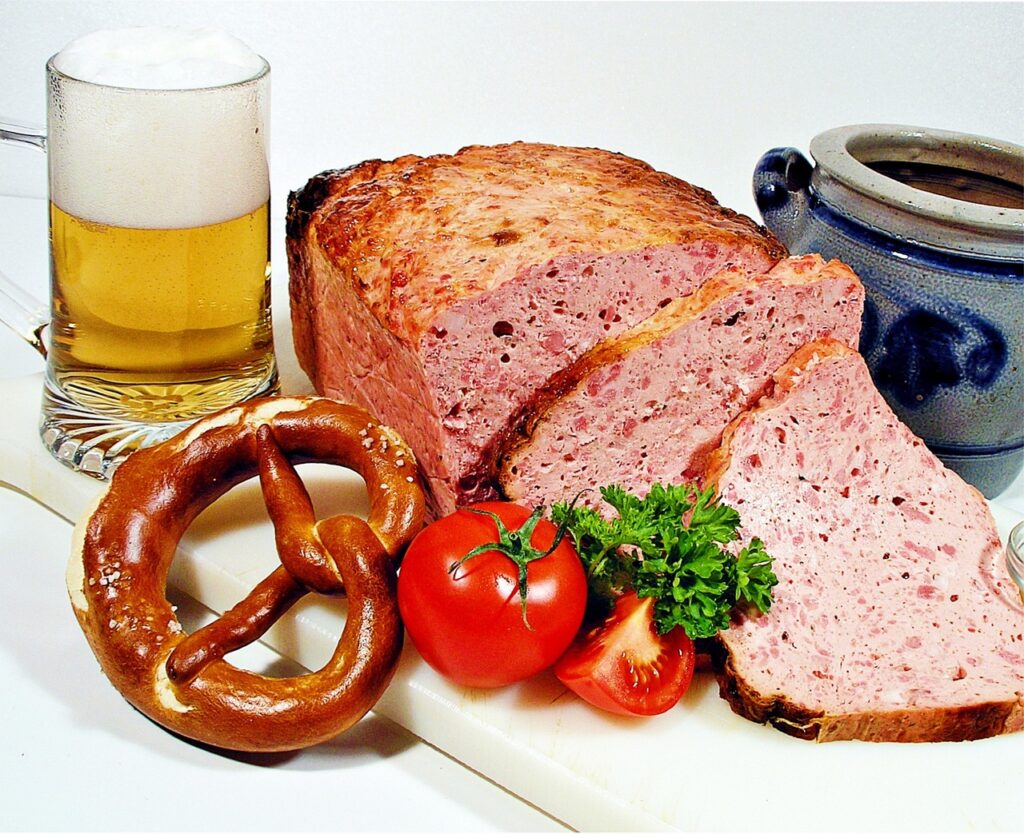
Products and indicative prices: expect relatively high prices reflecting central location and quality. A Weißwurst (Bavarian white sausage) served with a pretzel and mustard typically costs between €4.50 and €6.50 depending on the stall. A large fresh pretzel goes for about €2.50. Artisan cheeses: 100 g portions range from €2.50 to €4.50. Smoked fish or seafood specialties: portions €6–12.
Atmosphere and tips: Viktualienmarkt is both a supply source for top chefs and a social hub for locals. There’s a small biergarten where you can sit and enjoy a local beer (0.5 l pint roughly €4.50–6.00). Arrive early to beat the tour groups—this is the best time to chat with producers, ask about production methods, and buy fresh items for a picnic. For edible souvenirs, go for spices, artisanal jams (200–500 g jars €4–9) and cured meats.
Elisabethmarkt (Schwabing) — The Boho, Neighborhood Gourmet Market
The Elisabethmarkt sits in the lively Schwabing district on the small square called Elisabethplatz. Address: Elisabethplatz, 80802 München. Smaller and more intimate than Viktualienmarkt, this neighborhood market features a refined selection of organic produce, artisan bakeries and international specialty stalls. It attracts locals, families and students, and stands out for its relaxed vibe and quality food offerings.
Hours: Monday, Tuesday, Thursday and Friday 7:00–13:00; Wednesday closed; Saturday 7:00–14:00; Sunday closed. Hours can vary by vendor; some bakeries open earlier. The market usually closes on public holidays—check the local calendar.
Products and prices: quality comes first. An artisanal loaf (500 g) typically runs €3.00–5.50 depending on the recipe (buckwheat, rye, sourdough). Organic cheeses: 100 g for €2.80–5.50. International specialties like mezzes or small tapas for sharing: portions around €4–8. Local roaster coffees: espresso €2.50, cappuccino €3.50.
Vibe and recommendations: Elisabethmarkt is perfect for a leisurely morning. Start with coffee at a local roastery, try buttery pretzels from an artisan bakery, then browse the colorful organic produce. Vendors take time to explain origin stories—don’t hesitate to ask for recipe ideas. Vegetarian and vegan options are plentiful here, with stands offering homemade hummus, plant-based cheeses and lactose-free pastries. Grab a few items and head to the nearby park for a Munich-style picnic.
Wiener Platz — Haidhausen’s Multicultural Market
The Markt am Wiener Platz sits in the Haidhausen neighborhood at Wiener Platz, 81667 München. It’s a popular, down-to-earth market appreciated by families and residents. The market mixes fresh produce stalls, fishmongers, florists and small specialty grocery shops and often reflects the multicultural spirit of the area.
Hours: Tuesday, Thursday and Saturday 7:00–13:00. Saturday is the busiest day with extra stalls and street vendors. Some vendors stay open until 14:00.
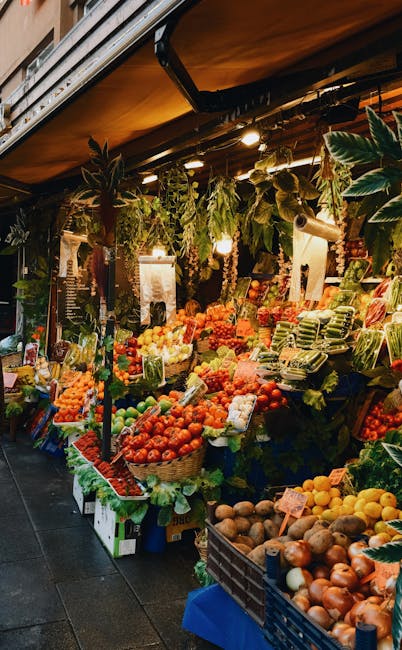
Products and prices: local seasonal fruit and veg: baskets €4–10; fresh fish (depending on arrival): fillets 100 g between €2.50 and €6.00; freshly cut flowers: bouquets €5–12. Turkish and Balkan specialties (kebabs, börek, mezzes) cost around €3–6 per portion, making Wiener Platz a great spot for an affordable market lunch on the go.
Atmosphere and tips: Wiener Platz offers a more authentic glimpse of everyday Munich life. It’s a great spot to see the city away from the main tourist trail. On Saturday mornings, pair the market with a stroll along the nearby Isar riverbank or a visit to the Volkstheater museum close to the square. For value, choose this market to buy ingredients to cook yourself or to enjoy a quick, tasty and budget-friendly meal. Local tip: arrive shortly before closing to snap up discounts on fresh produce—vendors often prefer to sell at a reduced price than take produce home.
Auer Dult — The Traditional Fair: Antiques, Crafts and Treats
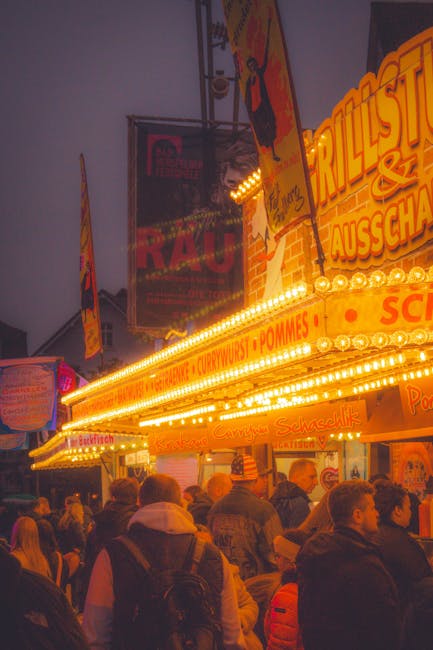
The Auer Dult isn’t a weekly market but a traditional fair held three times a year on Mariahilfplatz, 81541 München (Haidhausen). The Auer Dult comes in three editions: Maia Dult (late April/early May), Jakobidult (late July/early August) and Kirchweihdult (late October). Mixing antiques, porcelain, household goods, clothing, rides and food stands, it’s a true Bavarian institution.
Hours: each edition typically runs 9 days; daily hours about 10:00–20:00 (times can vary for some stalls and attractions). Weekend evenings are the liveliest. Admission is free.
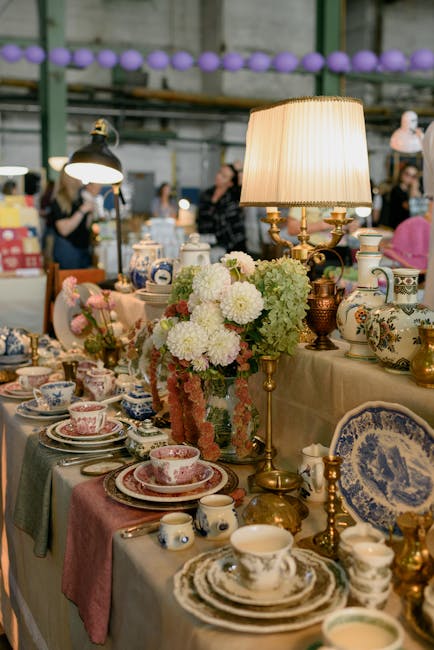
Products and prices: Auer Dult is famous for traditional porcelain (souvenirs €10–40 depending on the item), vintage kitchen accessories and flea-market finds (vases, cutlery) priced from a few euros to several hundred for rare pieces. On the food side: grilled sausages €3–5, geröstete Mandeln (roasted almonds) €3–6 for a small bag, crêpes and local cakes €2–5. You’ll also find Bavarian specialties and draft beers for around €4–6 a pint.
Atmosphere and recommendations: Auer Dult feels like a family outing: visual treats, vintage discoveries and tasty snacks. For bargain-hunting, arrive early when the best pieces are still around; for a festival atmosphere, head there Friday or Saturday evenings. Collectors can haggle, especially on the last day — bargaining is common and accepted. Auer Dult draws many locals; for an authentic blend of tradition and entertainment, it’s a must-visit.
Tollwood and Christkindlmarkt — Event Markets: Culture and Cuisine
Munich’s calendar is punctuated by event markets that combine food, crafts and performances. Two major examples are the Tollwood Festival (summer and winter) on the Theresienwiese, 80339 München and the traditional Christkindlmarkt at Marienplatz, 80331 München during Advent.
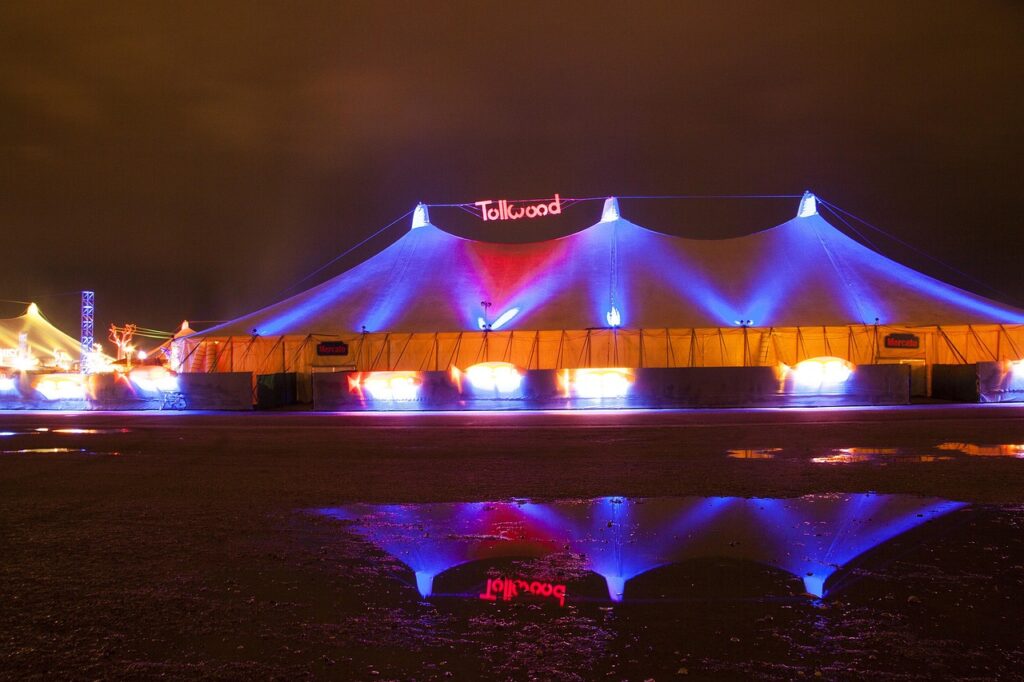
Tollwood (summer: June–July; winter: late November–late December) is a cultural festival focused on contemporary art, ecology and world cuisine. Entrance to the festival grounds is often free, but some concerts and events charge admission (prices vary, typically €10–50 or more depending on the act). Food stalls serve dishes from around the globe: vegetarian/vegan mains €6–12, craft wines and beers €4–8 a serving. The winter Tollwood also acts as an alternative Christmas market, highlighting fair-trade artisans and goods.
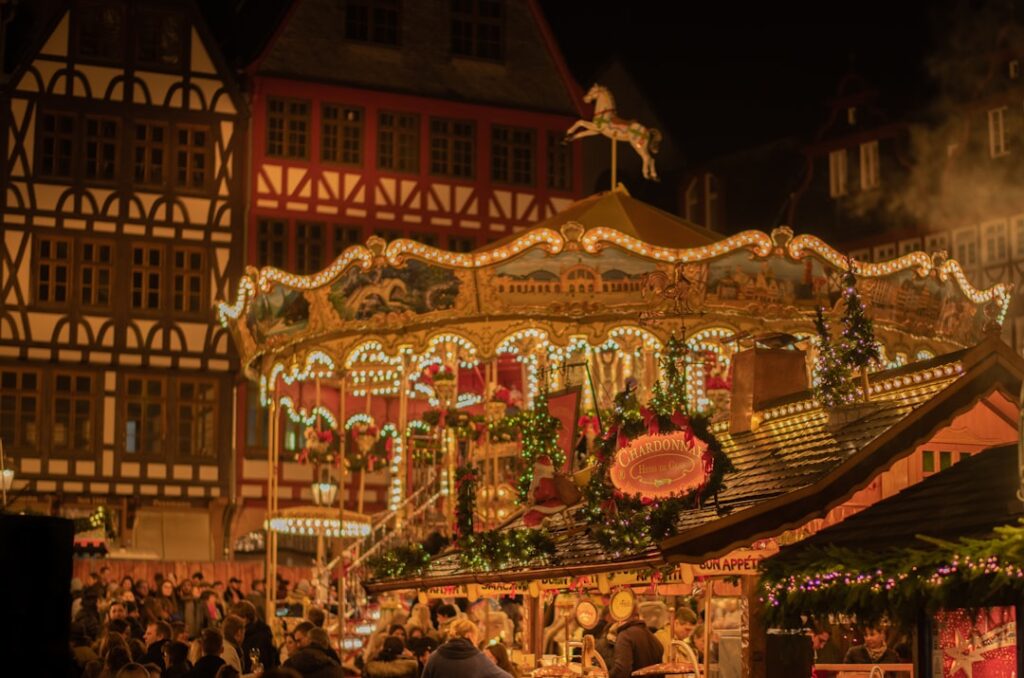
The Christkindlmarkt at Marienplatz (address: Marienplatz, 80331 München) is a winter staple. Hours: usually from the last weekend of November until Christmas Eve, open daily roughly 10:00–21:00 (varies by day and stall). You’ll find traditional treats: Glühwein (mulled wine) €3.50–5.50, Bratwurst €3–4, baked apples and pastries €3–6. The stalls sell handmade decorations, candles and wooden toys (prices €5–50 depending on the piece).
Atmosphere and tips: for Tollwood, check the program in advance to book concerts or workshops. The winter Tollwood tends to offer a more daring, international food selection than the Marienplatz Christmas market. For the Christkindlmarkt, visit on a weekday or early in the morning to avoid crowds; carry cash to make shopping easier. These markets are perfect for combining food, culture and souvenir hunting.
Practical Tips and Gourmet Day Itineraries
Planning a market day in Munich can follow several themes: traditional Bavarian flavors, an organic/local route, or a multicultural discovery trail. Here are some practical suggestions and a sample itinerary for a full market day.
- Morning (9:00–11:30) — Elisabethmarkt: Start with coffee at a local roastery, buy an artisanal loaf (€3–5) and some cheeses for a picnic. Enjoy the neighborhood vibe and organic stalls.
- Late morning (11:30–13:00) — Viktualienmarkt: Head to Viktualienmarkt to try a Weißwurst (€4.50–6.50) with a pretzel (€2.50). Browse the fish, charcuterie and spice stalls. Have a beer at the biergarten (€4.50–6.00) to complete the experience.
- Afternoon (13:30–15:30) — Wiener Platz: Make your way to Haidhausen for Wiener Platz market; sample street specialties (kebabs, börek €3–6) and pick up vegetables for dinner.
- Evening (varies) — Auer Dult or Tollwood: If in season, end the day at Auer Dult (antiques and rides) or Tollwood (international food, shows). Prices vary by stall (food €3–12).
Extra local tips: prefer cash for small purchases, carry reusable bags to cut waste, and observe local customs (don’t touch food items with your hands without asking). If you buy fresh goods to take away, consider a soft cooler if you’ve got more than a few items. And don’t be shy about chatting with vendors — they’re often friendly and love to share the stories behind their products.
Conclusion — Taste Munich Through Its Markets
Munich’s markets are vibrant spaces where history, food and community come together. From the Viktualienmarkt, the city’s gourmet epicenter, to neighborhood markets like Elisabethmarkt and Wiener Platz, and seasonal events like Auer Dult, Tollwood and the Christkindlmarkt, each market offers a distinct, rich experience. You’ll find exceptional produce: aged cheeses, crusty sourdough loaves, Bavarian sausages, organic goods and global specialties, all accompanied by warm welcomes and passionate artisan advice.
Practically speaking, carry some cash for small purchases, arrive early to catch the freshest stalls, and adapt visits to seasonal opening times (some markets are closed Sundays or close earlier in the evening). If you want to mix sightseeing with gastronomy, follow the suggested itinerary for a balanced day of tasting, shopping and cultural discovery. For collectors and antique lovers, Auer Dult is a unique chance to uncover rare pieces while enjoying fairground treats.
At heart, wandering Munich’s markets is about taking your time — to smell, taste, haggle and talk. It’s about diving into local routines and leaving not just with groceries but with lasting sensory memories: the scent of a warm pretzel, the texture of a well-aged cheese, and the warmth of a gardener’s chat. Whether you’re just passing through or settling in, these markets offer a mosaic of experiences that tell the city’s story one bite at a time.