





Introduction: A Taste-First Dive into Munich’s Markets
Munich is a city where Bavarian culinary tradition is as much lived as it is eaten. The markets around the Bavarian capital are lively meeting points where makers, artisans and visitors gather to celebrate regional flavors. This guide walks you through the must-try Bavarian specialties to sample at Munich’s markets — from classics like Weißwurst and Brezn to less famous treats like Obatzda and Apfelkücherl. The goal is twofold: give you practical pointers (exact addresses, opening hours, ballpark prices) and immerse you in the sensory and cultural experience of these spaces.
Not all Munich markets are the same. Some — like the Viktualienmarkt — are urban institutions, open almost every day and frequented by locals and tourists alike. Others, such as the Auer Dult, are temporary fairs mixing antiques, crockery, clothing and food stalls; they bring a festive vibe and seasonal specialties. Finally, neighborhood markets like Elisabethmarkt in Schwabing or Wiener Platz in the east deliver a local, family-friendly feel — perfect for discovering artisan products and tasting dishes made on the spot.
In this guide you’ll find immersive descriptions of each specialty — texture, aroma, how counter service usually works — plus precise addresses (street, postal code, city), typical opening hours and price ranges in euros for each item. I’ll also share local tips: how to order a Weißwurst like a Bavarian, which stalls to avoid when it’s busy, what beer pairs best with a dish, and handy German phrases for buying food. Practical details were up-to-date when written, but remember opening hours can change for festivals, public holidays or in winter.
Read the sections below to pick the markets and specialties that match your itinerary: are you after grab-and-go bites for a stroll, a sun-soaked sit-down lunch in a square, aged cheeses to take home, or edible souvenirs? This guide helps you craft your tasty route. Munich’s flavour keepers — butchers, bakers, cheesemongers, and steckerlfisch vendors — each have a story; let them tell it across the stalls. At the end you’ll find a roundup of essentials and a mini tasting route for a half-day food crawl.
Viktualienmarkt: Munich’s Institution and Its Bavarian Classics
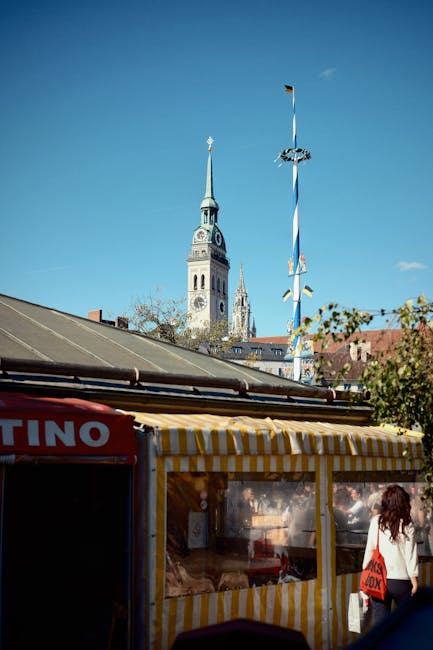
The Viktualienmarkt is Munich’s best-known market, right in the heart of the city. Address: Viktualienmarkt, 80331 München. It’s open Monday to Saturday, generally from 08:00 to 20:00 (some stalls may close earlier, around 17:00–18:00, and the market is closed on Sundays). Viktualienmarkt is the ideal spot to taste traditional Bavarian specialties as street food or to buy products from local artisans.
Highlights to try include:
- Weißwurst (white sausage): traditionally eaten in the morning before 12:00. Price guide: €3.50–6.00 per serving (1–2 sausages depending on the stall), often served with a Brezn (pretzel) for €1.50–3.00. Tip: ask for “Weißwurst mit Brezn” and a small pot of süßer Senf (sweet mustard) — that’s the Bavarian way. You’ll find Weißwurst at traditional butchers and quick-serve stalls around the market.
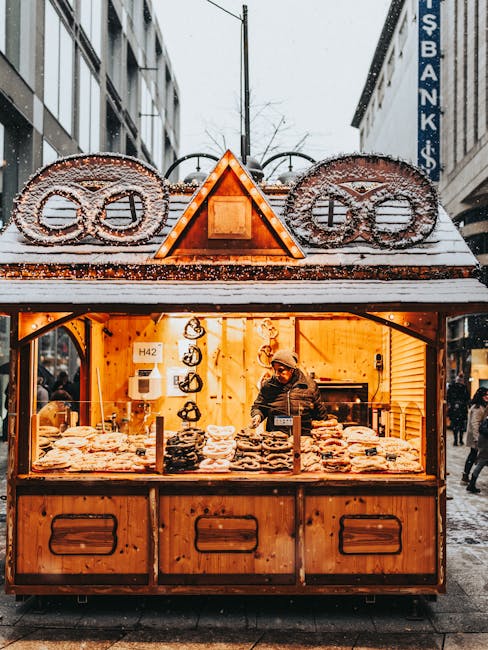
- Brezn (Bavarian pretzel): sold by small bakeries and stalls; average price €1.20–2.50. Texture: a salty, golden crust with a soft, doughy interior. Perfect with Weißwurst or Leberkäse.
- Leberkäse (meatloaf-style specialty, sliced and grilled): served hot, often in a roll or on a small plate. Price: €3.50–6.50 per slice depending on toppings. Order a “Leberkässemmel” for the roll version (around €4–5).
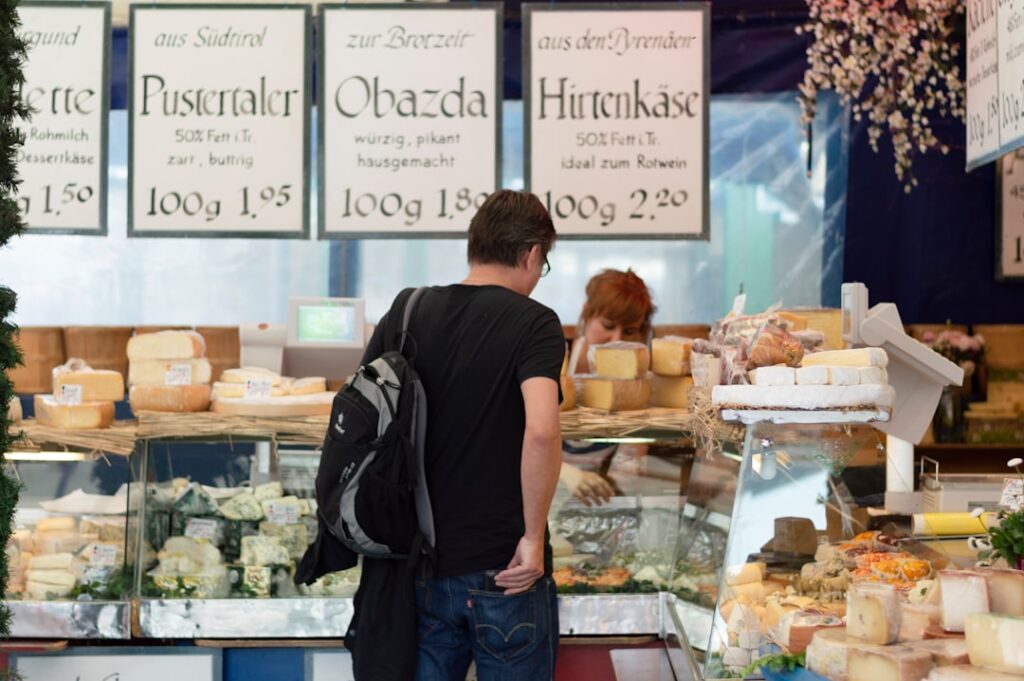
- Obatzda (creamy cheese spread with paprika): a classic on a cold-cuts and cheese platter; price €3.00–6.00 for a shareable portion. Great with rye bread and a local pale beer.
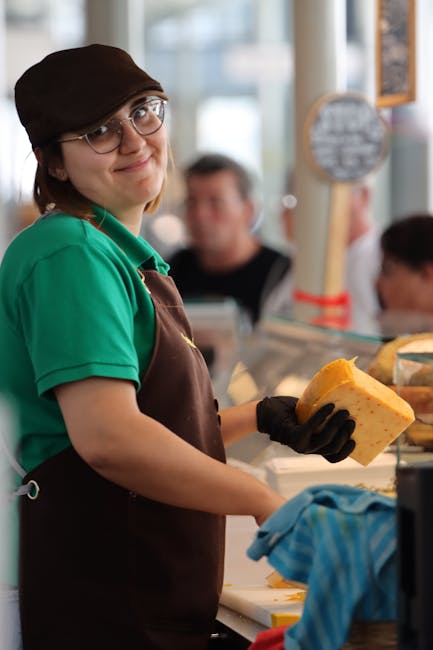
- Bavarian cheeses: cheesemongers on site offer regional selections (Allgäu, Berchtesgadener Land). Price: €2.50–5.00 per 100 g depending on the aging.
Atmosphere and practical tips: Viktualienmarkt gets crowded between 10:00 and 14:00; arrive early if you want to eat Weißwurst the traditional way (before noon). The central benches and the market’s well-known fountain are perfect places to sit and enjoy your food. During Oktoberfest footfall increases dramatically and some stalls extend their hours. For a quieter experience, visit on a weekday between 08:00 and 10:00 or late afternoon shortly before closing.
Elisabethmarkt and Wiener Platz: Neighborhood Markets with Local Flavors
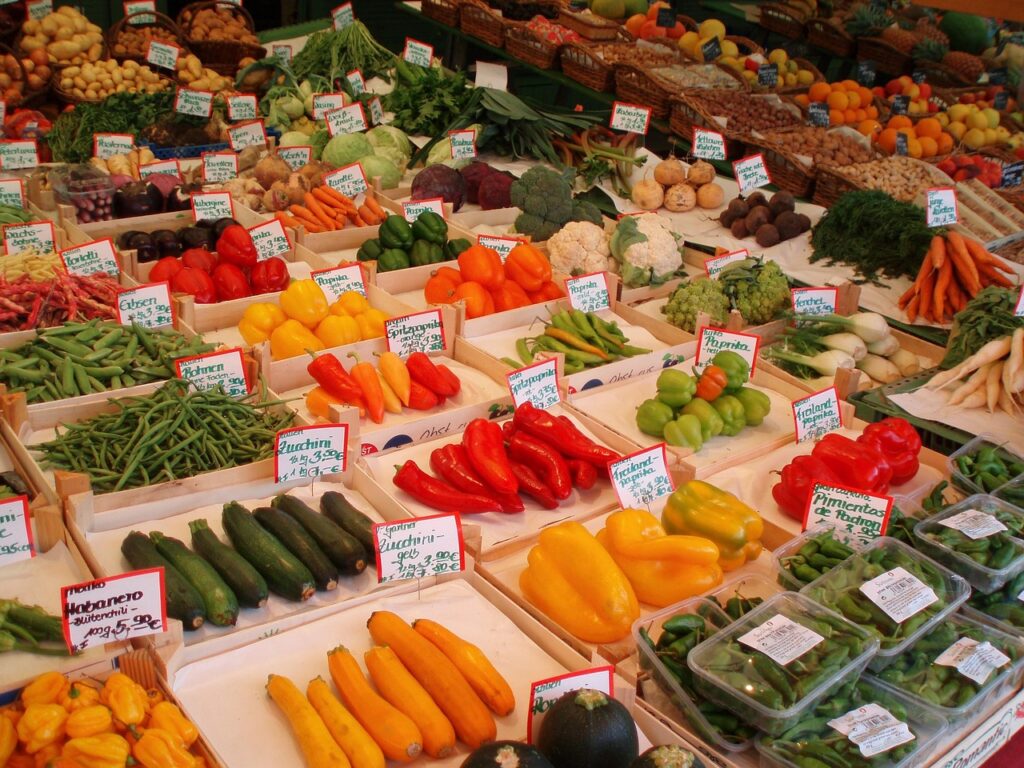
For a more local vibe, head to neighborhood markets like Elisabethmarkt and Wiener Platz. These markets offer high-quality products, often organic and artisanal, along with ready-to-eat dishes. They’re popular with residents of Schwabing and Munich’s east side.
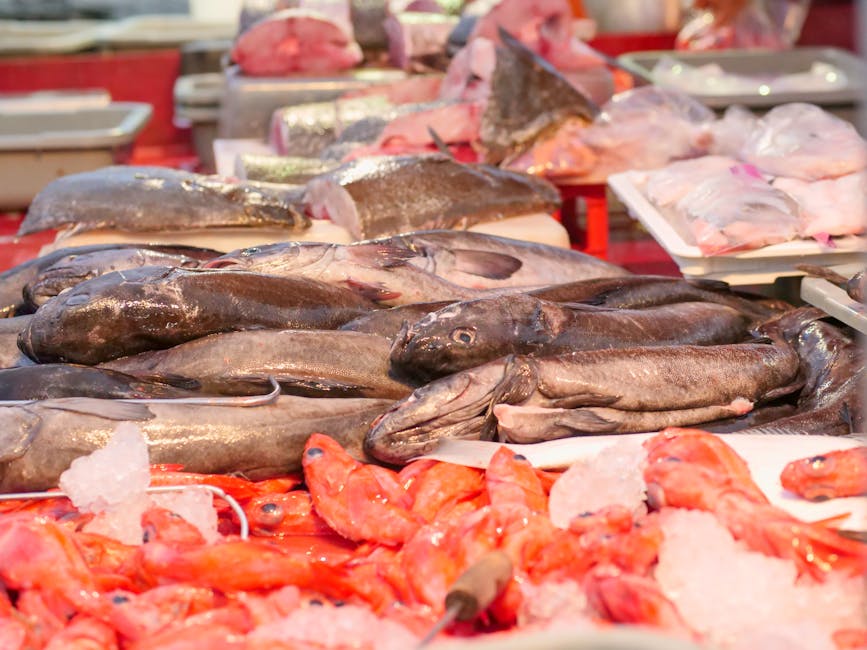
Elisabethmarkt — Address: Elisabethplatz, 80796 München. Typical hours: Tuesday and Friday 07:00–13:00; some stalls stay open an extra hour on Saturday (until around 14:00). Specialties to try: smoked salmon and local fish, farmhouse cheeses, grilled sausages and open-faced sandwiches. Price guide: smoked salmon €4.50–8.00 per portion; topped open-face sandwich €3.50–6.50; cheeses €2.50–5.00 per 100 g. Elisabethmarkt is known for organic produce and vegetarian preparations. Local tip: for a healthy break, order a small “Käseplatte” (cheese plate) with artisan breads — vendors will often make up a small portion on request.
Wiener Platz — Address: Wiener Platz, 81667 München (Au-Haidhausen neighborhood). Typical hours: Tuesday and Friday 10:00–18:00; Saturday 08:00–16:00. Specialties: fresh pretzels, fish specialties (Steckerlfisch at events), local pastries and hot dishes. Prices: Steckerlfisch (grilled fish on a stick) €5.00–9.50 depending on the fish; pastries €1.50–4.00. Wiener Platz is delightful on Saturday mornings, with a neighborhood atmosphere and nearby cafés to relax in after tasting.
Practical tips: at Elisabethmarkt prioritize morning purchases for the freshest fish and bread. At Wiener Platz take advantage of nearby terraces to pair your bite with a coffee or a local beer. Most vendors speak English, but learning a few simple German phrases (for example “Eine Portion bitte” — one portion please) will smooth interactions and win you smiles from sellers.
Auer Dult and Pop-Up Markets: Fairs, Antiques and Seasonal Treats
The Auer Dult is a traditional event held three times a year (May, July, and October) on Mariahilfplatz in the Au district. Auer Dult mixes antique stalls, craft booths and numerous food stands offering festive Bavarian specialties and fairground sweets. Address: Mariahilfplatz, 81543 München. General hours: the Dults run for 8–9 days; typical stall hours are 10:00–20:00 but vary depending on the day and crowds.
What to try at Auer Dult:
- Schmalznudel / Dampfnudel: yeasted dumplings served warm with sugar or compote; price €2.50–5.00 depending on topping. Texture: pillowy, slightly buttery — very comforting after a walk.
- Bratwurst and Currywurst: fairground classics, usually served with bread and mustard; price €3.00–5.50 per portion.
- Apfelkücherl: apple fritters (apple slices coated in batter), usually €2.50–4.00 each. Best eaten straight away — crisp outside, tender inside.
- Steckerlfisch: fish grilled on skewers (often mackerel or trout), common at festivals and markets; price €6.00–10.00 depending on size.
Atmosphere and tips: Auer Dult is a chance to taste more festive takes on Bavarian classics, usually prepared on the spot. Arrive late morning to avoid evening crowds and to enjoy demonstrations and local musicians. Take care with payments: some small vendors accept cash only, so bring euros. If you’re after edible souvenirs you’ll find artisan jams, regional honeys (€4.50–9.00 per jar depending on quality) and cured sausages.
Farmers’ and Organic Markets: Direkt from the Producers (Bauernmarkt, Wochenmarkt)
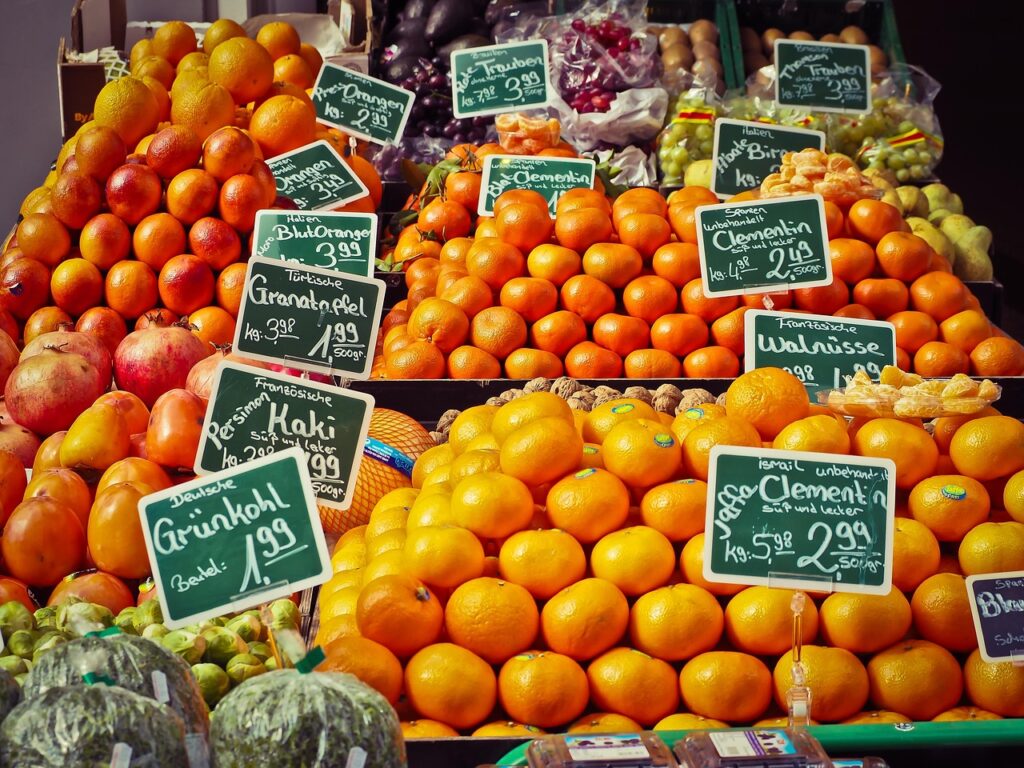
Munich hosts several regular farmers’ markets (Bauernmarkt, Wochenmarkt) where local producers sell directly. These markets are the best spots for seasonal produce, farmhouse cheese, artisanal sausages and less-processed regional specialties. Examples: Bauernmarkt am Rindermarkt (Address: Rindermarkt, 80331 München), often open Monday to Saturday 08:00–18:00; Wochenmarkt am Pasinger Viktualienmarkt (Address: Pasinger Viktualienmarkt, 81241 München) with hours that vary by day (usually Tuesday and Friday mornings).
Products and specialties to look for:
- Farmhouse cheeses (Allgäuer Bergkäse, Weißlacker): local aged cheeses, hard or washed-rind varieties. Price guide: €3.00–8.00 per 100 g depending on age; exceptional cheeses can exceed €12.00 per 100 g.
- Artisanal cured sausages: a range of Landjäger, Kaminwurzen and smoked salamis. Price: €3.50–8.00 depending on size and origin.
- Honey and jams: products from local beekeepers, usually in 250–500 g jars (price €5.00–12.00).
- Seasonal vegetables: new potatoes, cabbages, carrots — perfect for making a homemade Kartoffelsalat (potato salad).
Practical tips: talk to the producers — they love curious visitors and are happy to give preparation and pairing advice. Tasting before buying is common, so ask to try samples. Farmers’ markets are also the best place to find vegetarian or vegan alternatives made with local ingredients (plant-based cheeses, vegetable pates), especially at stalls labeled “Biobauern” (organic farmers). If you plan to bring items home, consider liquid restrictions for honeys and jams when flying (pack them in checked luggage if necessary).
Practical Tips, Etiquette and a Half-Day Tasting Route
To make the most of Munich’s markets, here are concrete tips and a suggested half-day itinerary. Gear: travel light, carry some cash (some small vendors are cash-only), bring reusable bags and a small cooler if you buy cheese or fish to keep them fresh.
Buying etiquette and tips:
- Timing: for Weißwurst aim for the morning (before 12:00). Breads and pastries are freshest early. For farm products, avoid late afternoon when the best items tend to be sold out.
- Ordering: simple pronunciation is fine; “Ein Stück, bitte” (one piece, please) or “Eine Portion, bitte” (one portion, please). Sellers appreciate politeness — a quick “Danke” and “Bitte” go a long way.
- Payment: carry €20–50 in small notes for quick purchases; most stalls accept cards but not all. Pop-up markets and some small producers may be cash-only.
- Allergies and restrictions: always ask for ingredients if you have allergies (butter, milk, eggs). Many vendors speak English, but it’s handy to know a few German phrases (e.g. “enthält Milch?” — does it contain milk?).
Mini tasting route (3–4 hours) — recommended itinerary:
- 09:00 — Start at Viktualienmarkt (Viktualienmarkt, 80331 München). Begin with a Weißwurst and a Brezn (€3.50–6.00 + €1.50–2.50) and a coffee. Browse the cheese stalls and buy a small portion of Obatzda (€3.00–5.00) to share.
- 10:30 — Walk to Rindermarkt (Rindermarkt, 80331 München) for a stop at a farmhouse cheesemonger and a taste of Bergkäse (€3.00–6.00 per 100 g). Pick up a small jar of honey (€5.00–8.00).
- 11:15 — Tram or walk to Wiener Platz (Wiener Platz, 81667 München): try a Steckerlfisch if it’s available (€6.00–9.00) or a traditional pastry with coffee.
- 12:30 — Finish at Elisabethmarkt (Elisabethplatz, 80796 München) for a final topped open-face sandwich or a Leberkäse sandwich (€4–6). If it’s an Auer Dult day, swap Wiener Platz for Mariahilfplatz to enjoy the festive atmosphere.
Local secrets: try sweet mustards (“süßer Senf”) with Weißwurst rather than strong mustard; ask butchers for the “Empfehlung des Tages” (recommendation of the day) for seasonal specialties; and if you want a beer that pairs well, order a “Helles” (a pale lager) at any stall or beer garden — it goes wonderfully with rich dishes like Leberkäse or Obatzda.
Conclusion: Take Munich’s Flavors Home and Last-Minute Tips
Munich’s markets offer a full immersion in Bavarian food culture: farmhouse products, local specialties, takeaway dishes and convivial moments. Whether you’re chasing the classic Weißwurst at Viktualienmarkt, the sweet treats of Auer Dult, the aged cheeses at farmers’ markets or the neighborhood charm of Elisabethmarkt and Wiener Platz, each market has its own character and recommendations. Key addresses to remember: Viktualienmarkt (Viktualienmarkt, 80331 München), Elisabethmarkt (Elisabethplatz, 80796 München), Wiener Platz (Wiener Platz, 81667 München), Mariahilfplatz for Auer Dult (Mariahilfplatz, 81543 München) and Rindermarkt for farmers’ markets (Rindermarkt, 80331 München).
Practical summary: arrive early to get the freshest products, bring cash for certain stalls, always confirm portion size or weight before buying, and don’t hesitate to chat with vendors — they’ll often tell you the story behind a product and suggest the best pairings. If you’re short on time, focus on Viktualienmarkt for a comprehensive experience and pick one neighborhood market for a more authentic, local snapshot.
Finally, bringing items home: cheeses, honeys and jams make excellent edible souvenirs, but check transport rules (put larger liquid jars in checked luggage). Above all, follow your curiosity: try a specialty you don’t know, ask “Wie ist das?” (how is this?) and take locals’ advice. Munich’s markets are more than shopping spots — they’re places of sharing where every bite tells a piece of Bavarian history.