




Introduction: Taste Festival — How Munich’s Biergartens Set the City’s Rhythm
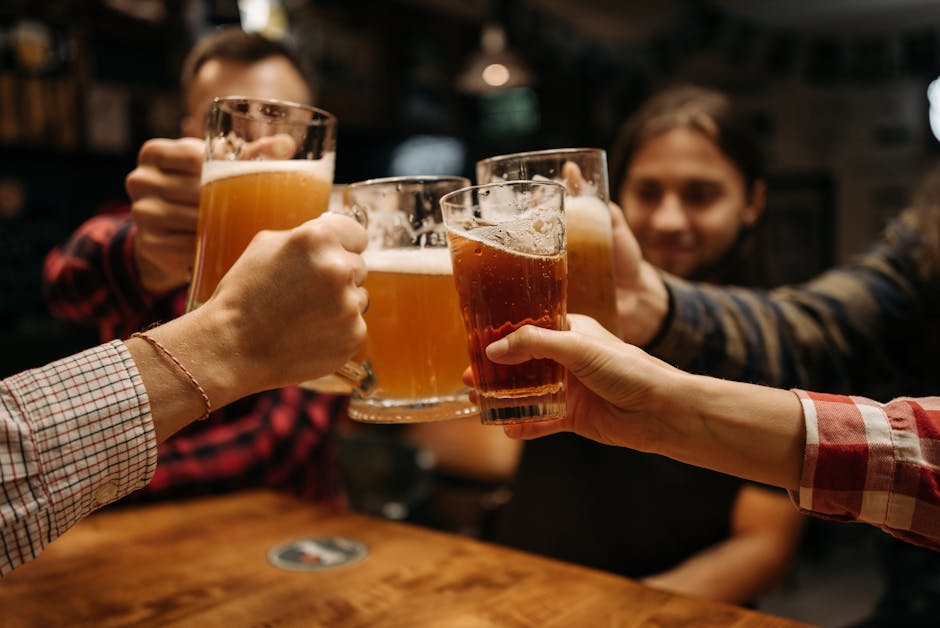
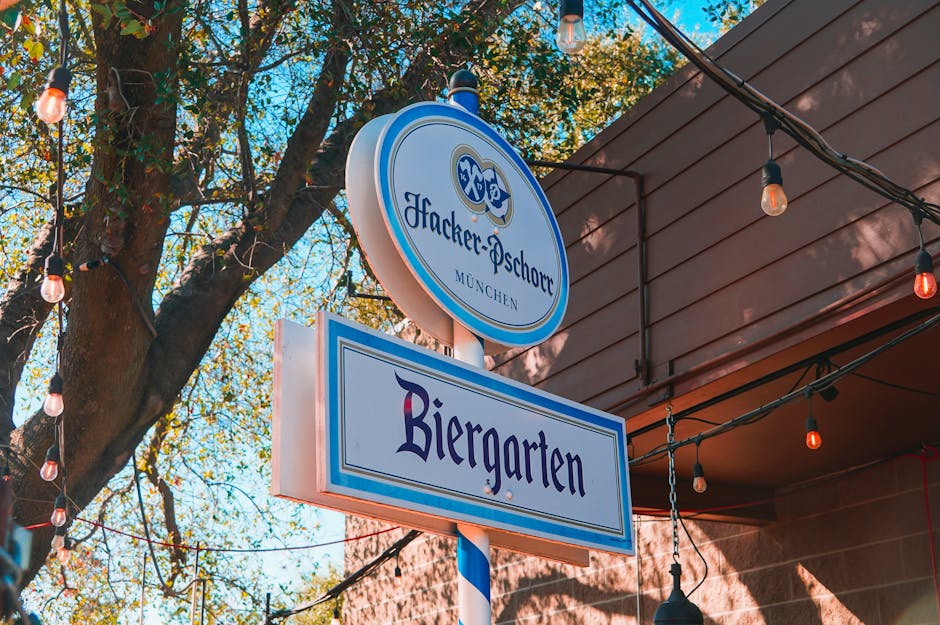
Munich is a city that breathes friendliness: here, the culture of sharing a drink, sitting at communal wooden tables and open‑air grilling is part of everyday life. Biergartens aren’t just places to drink — they’re social institutions, public spaces where music, seasonality and Bavarian cuisine come together. They capture the Munich way of life, where a Maß of beer, a grilled sausage and a bench in the sun can turn an ordinary afternoon into something memorable. In this practical, in‑depth guide, we’ll take you to the most iconic biergartens in Munich: their history, exact addresses, typical prices, opening hours, immersive descriptions and local tips to help you get the most out of each visit.
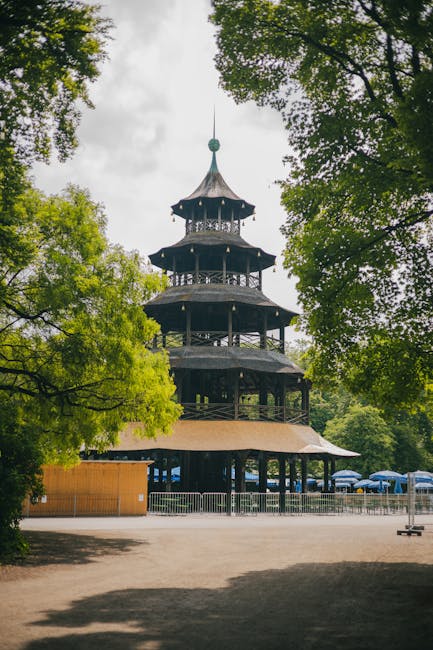
Biergartens have rural roots: descendants of brewery gardens, they developed in the 19th century around cool cellars that kept beer drinkable in summer. Today they’re urban landmarks where families, students, office workers and tourists meet. The charm of a biergarten lies in its shady oaks, long wooden tables, decorated steins and often the option to bring your own food (depending on the place) — although many now offer a full menu of traditional dishes. In Munich, some biergartens are famous for their setting — like the Chinesischer Turm in the heart of the Englischer Garten — while others stand out for their craft beer offerings or remarkable food.
This guide doesn’t just list addresses: it describes the vibe at each spot, opening hours to avoid surprises, average prices (in euros) to help you budget, plus practical tips (how to reserve, which seat to aim for, how to avoid the crowds on sunny days). We selected a representative mix, blending historic breweries and more intimate beer gardens to cover different experiences — from big party atmospheres around Oktoberfest to relaxed family afternoons.
Finally, this guide includes visual cues: in each section you’ll find image markers meant to inspire and help you picture the place before you go. These markers suggest representative shots (for example “Chinesischer Turm beer garden crowd” or “Augustiner‑Keller beer measure close up”) to illustrate scenes you might encounter. Whether you’re after an authentic Bavarian evening or a lakeside lunch, let this guide lead the way: Munich’s biergartens promise a palette of flavors, encounters and memorable moments. Prost — and enjoy the read.
1. Augustiner‑Keller — Tradition in the Heart of the Old Town
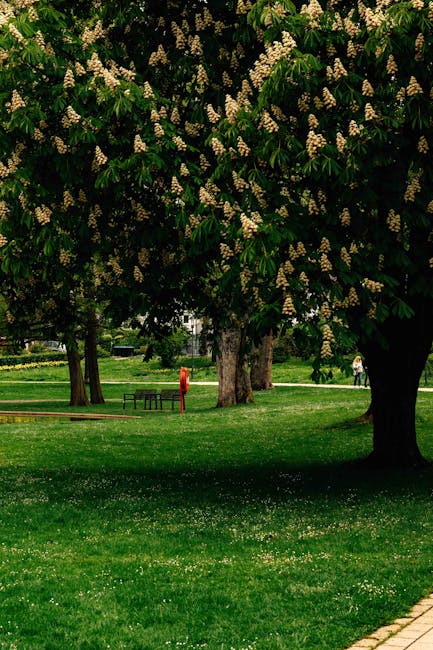
Augustiner‑Keller is one of the biergartens most deeply rooted in Munich tradition. Located at Arnulfstraße 52, 80335 München, it sits centrally yet keeps a village‑like atmosphere thanks to its large chestnut trees and spacious courtyard. The venue belongs to Augustiner, Munich’s oldest independent brewery. Beer is served the traditional way here: a Maß (1 liter) of Augustiner Helles generally runs around €8.50 (indicative price, subject to change). Half liters and smaller glasses are also available — for example 0.5 l for about €4.50.
Opening hours: Augustiner‑Keller is open daily in season (spring through autumn); typically the terrace opens around 10:00 and closes between 22:00 and 24:00 depending on the day and weather. In winter hours may be reduced and indoor seating is offered. The kitchen serves Bavarian classics: Schweinshaxe (pork knuckle), Bratwurst, Obatzda (spreadable cheese) and seasonal dishes. Food prices: a Bratwurst with bread costs roughly €4.50–6.00, a Schweinshaxe between €14.00 and €18.00, and starters/shareables (Obatzda) around €6.00–8.00.
Ambience and immersive description: the moment you step in you’re greeted by the scent of sun‑warmed wood, leather bench seats and sizzling sausages. Long communal tables invite impromptu conversation: don’t be surprised if locals start chatting about football or share a platter. Families with kids, friend groups and couples coexist easily. The tree canopy provides welcome shade on hot days, and lanterns or festive lights take over when night falls.
Local tips: arrive early on weekends (before noon) if you want a table for a group; otherwise sit at a shared table and politely say you’re looking for a spot — the communal spirit usually works in your favor. If you visit during Oktoberfest (late September–early October), expect very large crowds. To avoid queues at the counter, you can order food separately at the designated stall and pick up beer at the bar.
2. Chinesischer Turm and Seehaus — Two Experiences in the Englischer Garten
The Englischer Garten is one of the world’s largest urban parks, and its biergartens form the summer pulse of the place. Two institutions stand out: the Chinesischer Turm (Chinesischer Turm, Englischer Garten 3, 80538 München) and the Seehaus (Seehaus im Englischen Garten, Kleinhesseloher See 1, 80802 München). Both offer a rare combination: nature, lakeside strolls and quality dining.
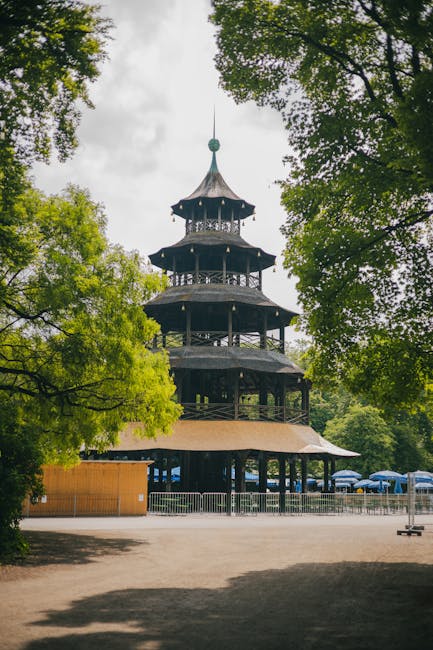
Chinesischer Turm: centered around an iconic wooden pagoda, this beer garden is a magnet for crowds on sunny days. Drink prices: a Maß of locally brewed beer is around €8.00–€9.00, while half liters and specialty beers range between €4.50 and €6.50. The food menu features classics: Brezn (pretzels) €3.50–4.50, Bratwurst €4.50–6.50, and salads for those preferring a lighter option.
Opening hours: Chinesischer Turm typically operates from 10:00 to 22:00 (extended hours in summer and on weekends). Its atmosphere is festive: musicians, local choirs or Bavarian bands perform regularly, especially on weekends. Expect crowds; the quietest time for a visit is late afternoon on weekdays.
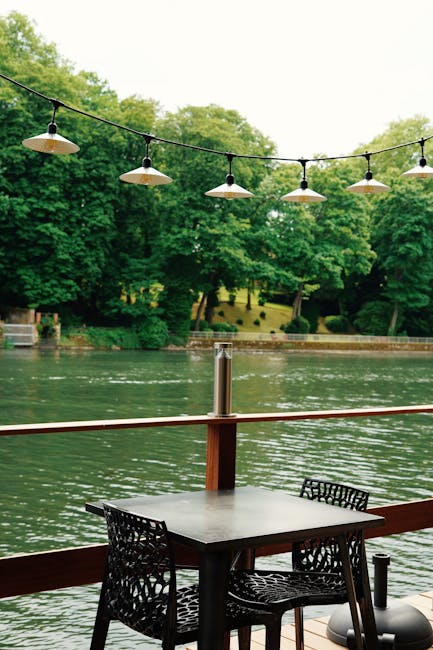
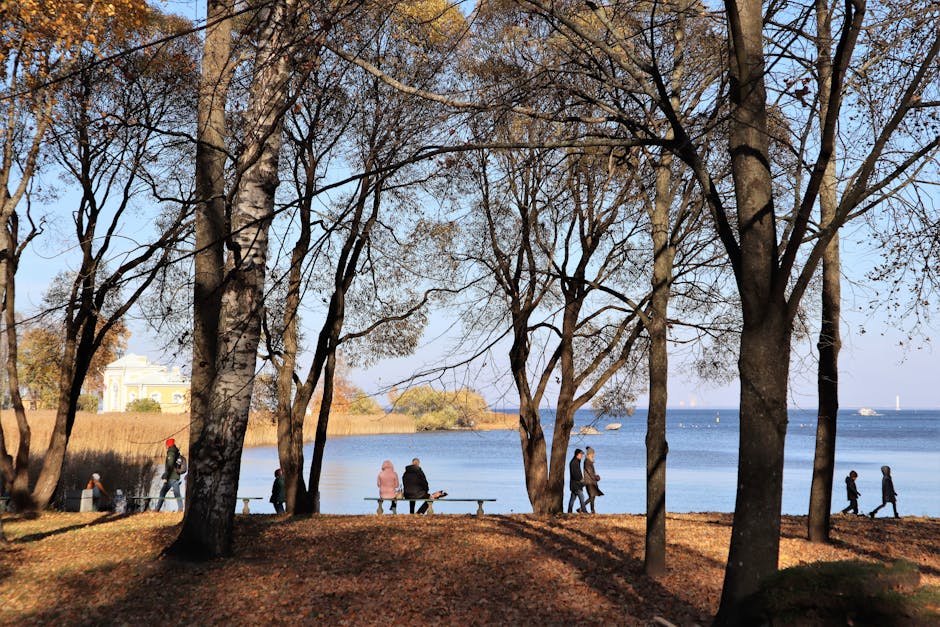
Seehaus: set on the shore of the Kleinhesseloher See, the Seehaus combines elevated cuisine with a charming lakeside view. Address: Kleinhesseloher See 1, 80802 München. Prices are a bit higher here due to the setting and more elaborate menu: 0.5 l of Weißbier costs around €6.50, and the kitchen offers fresh fish, seasonal dishes and refined desserts. A main course (fish or Bavarian specialty) usually falls between €14.00 and €24.00.
Ambience and differences: Chinesischer Turm is perfect for lovers of a lively atmosphere and outdoor music; it’s a place for spontaneous gatherings. The Seehaus suits those seeking a calm, seated meal by the water with a slightly more gastronomic touch. Both are ideal for a day in the Englischer Garten: start with a bike ride, stop at the Seehaus for a lakeside coffee, and finish at the Chinesischer Turm for a beer and live music.
Local tips: for Chinesischer Turm, bring a picnic blanket if you want to sprawl on the grass — that’s very common with families. For the Seehaus, book ahead if you’re coming with a group or for dinner, especially on sunny weekends (reservations by phone or via the Seehaus website). And respect local rules: sort your rubbish and keep noise levels down after 22:00 to protect the neighborhood.
3. Hirschgarten, Aumeister and Wide‑Open Spaces: Family‑Friendly, Bike‑Accessible Biergartens
Munich has several biergartens where space is king: people come for the conviviality, playgrounds for kids and the ease of parking a bike. Among them, Hirschgarten and Aumeister are favorites for families and cyclists.
Hirschgarten (Am Hirschgarten 1, 80639 München): the largest biergarten in Munich by capacity, Hirschgarten offers several hundred outdoor seats. Prices: a Maß is around €8.00–8.50, a Bratwurst €4.50–6.00, and grilled mains roughly €12.00–18.00. Opening hours: generally open from around noon until 22:00 or even 23:00 depending on the season; the kitchen sometimes closes earlier.
Ambience: Hirschgarten is especially family‑friendly thanks to its vast green space, children’s play areas and proximity to walking paths. Long tables separated by lanes let you keep your space while preserving the social feel of biergartens. Locals often drop by after work for a beer and pizza or for informal meetups. If you enjoy watching rows of oaks, smoke rising from grills and kids running between benches, Hirschgarten is quintessential.
Aumeister (Am Englischen Garten 73, 80802 München): at the northern edge of the Englischer Garten, Aumeister is a calm meeting point after a long bike ride. Prices: 0.5 l beers cost around €4.50–5.50, a Maß about €8.00–9.00. The menu features seasonal specialties, fresh salads, homemade pies and grilled dishes. Opening hours: typically open from 10:00 to 22:00; summer hours can be extended.
Practical tips: for Hirschgarten, if you’re driving try to arrive early to find nearby parking — otherwise favour cycling or public transport. For Aumeister, the bike ride from the center takes about 20–30 minutes depending on your starting point and is very pleasant; bring a map or use an app to follow the Englischer Garten bike paths. At both spots it’s common to bring your own food to accompany the beer, but check the venue’s policy first (some only allow simple snacks).
4. Paulaner am Nockherberg, Löwenbräukeller and Hofbräuhaus — Historic Breweries and Alternatives
Munich is Germany’s beer capital, and several historic breweries offer experiences similar to biergartens or comparable convivial spaces. Three spots to know: Paulaner am Nockherberg, Löwenbräukeller and the Hofbräuhaus.
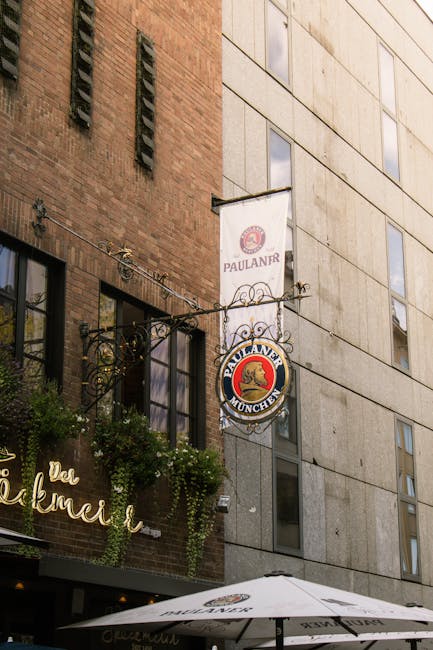
Paulaner am Nockherberg (Hochstraße 77, 81541 München): famed for its terrace and historic brewery ties to the Paulaner brand, this site serves beer in tradition and generous brewery fare. Prices: a Maß of Paulaner Helles about €8.50–9.50, 0.5 l around €4.50–5.50. Main dishes (schnitzel, Schweinshaxe) range roughly €12.00–20.00. Opening hours: usually open from 11:00 to 23:00; the terrace is highly sought after in summer.
Löwenbräukeller (Stiglmaierplatz 4, 80335 München): near Stiglmaierplatz, the Löwenbräukeller offers a large hall and a typical outdoor terrace. Löwenbräu is a historic brand, and the venue combines brewery service with a festival hall. Prices: Maß around €8.00–9.00, traditional dishes €10.00–18.00. Opening hours: often open from midday to 23:00, with variations for private events.
Hofbräuhaus (Platzl 9, 80331 München): while the Hofbräuhaus is primarily an iconic indoor brewery rather than a beer garden, it deserves mention for its central role in Munich’s beer culture. The vibe is loud, festive and very touristy, but the experience is a must. Prices: a Maß at Hofbräuhaus often sits between €9.00 and €11.00, with brewery dishes €10.00–20.00. Opening hours: typically open from 09:00 until midnight, with extended hours on weekends.
Comparing atmospheres: Paulaner am Nockherberg remains a place where beer meets hearty brewery cooking and its terrace can feel like a biergarten. Löwenbräukeller offers a solid mix of indoor hall and outdoor space, good for family meals or events. Hofbräuhaus is a dive into the most touristy side of Bavarian tradition: often packed with costumed bands, it can be very loud but is culturally significant.
Local tips: if you want a quieter evening, avoid Hofbräuhaus at peak times and opt for Paulaner am Nockherberg’s terrace. For private events or corporate evenings, Löwenbräukeller has bookable spaces. Check menus online before you go if you have dietary restrictions; many places now offer vegetarian options.
Conclusion: Experience Munich Through Its Biergartens — Final Tips and Prep
Munich’s biergartens are far more than drinking spots: they structure sunny afternoons, punctuate urban life and offer a window into Bavarian culture. From the communal warmth of Augustiner‑Keller to the prime location of Chinesischer Turm in the Englischer Garten, the calm of the Seehaus by the lake and the family‑friendly open spaces at Hirschgarten, each biergarten delivers a different experience. Historic breweries like Paulaner am Nockherberg, Löwenbräukeller and Hofbräuhaus round out the picture with more gastronomic or festive takes on tradition.
To prepare your visit, keep these practical tips in mind: check official sites or call ahead for opening hours (they change with the season and special events), arrive early if you want a group table, and set your expectations according to the venue — musical atmosphere at Chinesischer Turm, tranquility at the Seehaus, family crowds at Hirschgarten. Budget‑wise, expect roughly €8.00–9.50 for a Maß and €5.00–15.00 for a main course depending on the place; plan about €20–30 per person for a reasonable beer‑and‑meal combo.
A few common‑sense recommendations: respect the environment (sort your rubbish, don’t leave glass in the grass), embrace the local conviviality (communal tables are meant for sharing) and think about transport: many biergartens are bike‑ or public‑transport‑friendly (tram, U‑Bahn). If you drive, check peripheral parking options or consider leaving the car to avoid delays during large gatherings. Munich is perfect for walks: combine a biergarten visit with a stroll through the Englischer Garten, a tour of the old town and, if time allows, a meal at a historic brewery.
Ready to raise your glass? Whether you love craft beers, are curious about Bavarian cuisine or simply want a sunny afternoon outdoors, Munich’s biergartens welcome you with generosity. Use this guide to plan your stops, adapt it to your pace and, above all, let yourself be carried by the simple warmth of the encounters that give Munich its true flavor. Prost and safe travels!