





Introduction: Diving into Munich’s Lesser-Known Museums
Munich is often linked to big-name cultural anchors — the Deutsches Museum, the Pinakothek der Moderne, and the Bayerisches Nationalmuseum naturally pull most visitors. Yet for curious travelers who want to stray off the beaten path, Munich hides a constellation of lesser-known museums, niche collections and private exhibits that deliver intimate, unexpected and deeply rewarding experiences. These spots, sometimes housed in historic buildings and sometimes tucked behind discreet facades on small side streets, preserve treasures that tell local stories, showcase artisanal know-how, present underground contemporary art, or hold surprising themed archives.
This guide offers a handpicked selection of museums often overlooked by classic tourist routes — places devoted to folk arts, applied sciences, urban culture and modern cabinets of curiosities. Each entry provides practical details: full names, exact addresses, prices in euros (listed at time of writing and subject to change), opening hours, detailed descriptions of the collections and atmosphere, plus local tips to make the most of your visit (best time to go, combined itineraries, nearby cafés and must-see highlights).
Beyond the practical info, the aim is to create an immersive read: picture yourself wandering through rooms where light filters through old stained glass, where everyday objects become witnesses to vanished eras, or where bold, provocative works converse with the urban environment. The museums presented here welcome different types of travelers — contemporary art lovers, fans of technical history, curious families, or anyone after cultural experiences off the usual track. As with any cultural trip, the best visit comes with the right pace: take time to read labels, talk to staff, and let yourself be surprised by small details that often turn out to be the richest fragments of the museum’s story.
Before you start your virtual tour, a few general tips: always double-check opening hours and ticket prices on official websites before you go (some venues close one day a week or have reduced hours during holidays), favor weekday mornings to avoid local crowds, and consider combining several small visits within the same neighborhood to make the most of your travel time. Finally, respect each site’s specific rules (photography allowed or not, bag policies, etc.).
Museum Brandhorst — An Intimate, Colorful Contemporary Collection
Full name: Museum Brandhorst. Address: Theresienstraße 35a, 80333 München. Prices: general admission around €10–12; reduced €6–8; free for under-18s (indicative prices — check the official site before visiting). Opening hours: Tuesday–Sunday 10:00–18:00, closed Mondays; some Thursday evenings open until 20:00 (hours may change with temporary exhibitions).
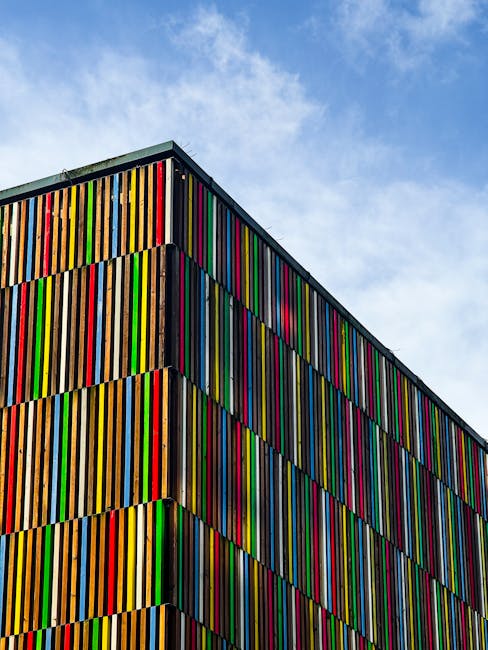
Museum Brandhorst is often mentioned among Munich’s modern institutions, but it feels surprisingly intimate compared to its larger neighbors. The sober brick façade and colorful panels give a hint of what’s inside: a collection focused on contemporary art from the 1960s to today, with a notable concentration of works by individual artists (notably a substantial holding of pieces by Andy Warhol and Cy Twombly). The galleries are designed to let each work breathe — the layout favors distance and controlled lighting, encouraging a contemplative experience rather than a rushed walkthrough.
Highlights: the vivid chromatic displays in the Warhol rooms, rotating temporary cycles that invite you to rethink contemporary art, and a research library available by appointment for students and scholars. The audio guide (often included with admission) provides useful context, but the real value is spending time in front of a single work, away from the bustle. The museum also has a well-stocked shop and a bright café overlooking the garden — perfect for prolonging reflection.
Local tips: arrive right at opening to enjoy the calm, especially if you want photos without people in the background. Combine your visit with a walk through the museum quarter (the Pinakotheken) for a themed day. Check the official website for temporary exhibitions — they can radically change the museum’s character and be worth a return visit.
MUCA — Museum of Urban and Contemporary Art
Full name: MUCA — Museum of Urban and Contemporary Art München. Address: Hotterstraße 12, 80331 München. Prices: general admission around €10; reduced €6; family packages available (indicative prices). Opening hours: Tuesday–Sunday 11:00–19:00, closed on Mondays; occasional late openings and evening events.
MUCA is one of the main refuges for Munich’s urban art scene. Housed in a discreet central building, it showcases exhibitions focused on street art, graffiti, sticker art and hybrid forms of urban creativity. Unlike ephemeral street galleries, MUCA presents a curated and documentary approach to street culture: photographs, videos, immersive installations and original pieces by local and international artists. The vibe is dynamic and at times loud — a deliberate contrast to the solemn atmosphere of traditional museums.
What makes MUCA especially interesting is its educational commitment: workshops for children and adults, outreach programs tied to neighborhoods, and themed guided tours that explain graffiti’s history and visual language. Temporary shows often give voice to lesser-known local scenes, offering direct insight into the contemporary artistic production in Munich and beyond.
Local tips: if you’re into photography, check the photo policy before entering (some installations are protected). Take part in a workshop if the schedule allows — it’s a fun way to learn stencil techniques and multi-layered stenciling. After your visit, explore the nearby alleys (Hackenviertel/Altstadt area) to spot street pieces and small independent galleries.
Deutsches Museum Verkehrszentrum — Transport History with a Local Angle
Full name: Deutsches Museum Verkehrszentrum (the Deutsches Museum site dedicated to transport). Address: Am Bavariapark 5, 80339 München. Prices: general admission around €8–10; reduced €4–6; family rates available; access to outdoor exhibits may be included (indicative prices). Opening hours: Tuesday–Sunday 9:00–17:00; closed Mondays (hours may vary by season).
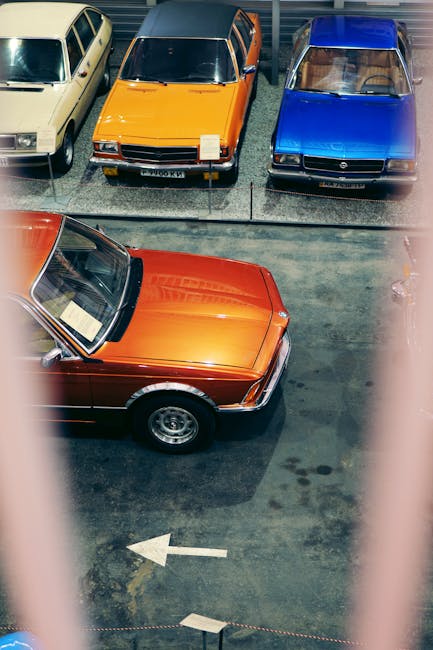
While the central Deutsches Museum is well known, the Verkehrszentrum is a satellite site often overlooked by visitors in a hurry. Located near the Theresienwiese and Bavaria Park, it’s devoted to the history of transport — cars, railways, light aircraft, velocipedes and urban transit. The collection is comprehensive, with restored historic vehicles, technical models, educational simulators and interactive exhibits explaining the evolution of mobility technologies.
This museum shines through its lively approach: panels are rich with local anecdotes (for example the development of Munich’s tram network, or postwar German prototype trials), and family-friendly workshops let visitors experiment with basic physics principles related to mechanics and aerodynamics. Outdoor areas display restored vehicles in a setting that evokes old workshops, giving the visit an almost cinematic quality.
Local tips: it’s an excellent outing for families and anyone who enjoys hands-on exhibits. Allow at least two hours to see the highlights. Pair the visit with a walk around the Theresienwiese if you’re in town during an event (Oktoberfest takes place here, but be mindful of the crowds). The museum sometimes hosts themed days (e.g., classic car days) with demonstrations and running vehicles.
Valentin-Karlstadt-Musäum — Theater, Satire and Popular Munich
Full name: Valentin-Karlstadt-Musäum (Musäum der Münchner Volkssänger und Satiriker). Address: Isartorplatz 1, 80331 München (near the Isartor gate). Prices: general admission around €6–8; reduced €4–6; children often free (check current rates). Opening hours: Wednesday–Sunday 10:00–17:00; closed Monday and Tuesday (hours may vary seasonally).
This small museum is a joyful and sometimes absurd tribute to the comedy duo Karl Valentin and Liesl Karlstadt, iconic figures of 20th-century Bavarian popular culture. Set in a picturesque corner near the medieval Isartor gate, the museum blends personal items, posters, costumes, restored silent film excerpts and sound recordings. The atmosphere is intimate and theatrical: listening booths isolate sketches, while display cases keep mementos from a time when satire and comedy were powerful ways to comment on society.
Beyond the biographical section, the museum offers a broader look at Munich’s comic scene: the tradition of cabaret, the role of local dialects, and how humor accompanied historical upheavals. Labels are often bilingual (German/English) but preserve the flavor of the Bavarian dialect through transcriptions and cultural notes.
Local tips: the museum is very central and pairs perfectly with a stroll through the old town (Marienplatz, Viktualienmarkt). Look for small bookstores and cafés around Isartor to extend the period atmosphere. If you speak German, ask staff for extra anecdotes — they’re often enthusiastic about sharing stories of the original performances.
Museum Fünf Kontinente — Often-Neglected Ethnographic Collections
Full name: Museum Fünf Kontinente (formerly Museum Fünf Kontinente München). Address: Maximilianstraße 42, 80539 München. Prices: general admission around €6–9; reduced €3–5; some temporary exhibitions may have separate fees (indicative prices). Opening hours: Tuesday–Sunday 10:00–17:00; closed Mondays; occasional late openings for special events.
Museum Fünf Kontinente is dedicated to non-European arts and cultures: ritual objects, textiles, sculptures, musical instruments and ethnographic displays from the Americas, Africa, Asia and Oceania. Often overshadowed by the large Pinakotheken, this museum deserves a visit for the richness and diversity of its holdings and for its contemporary museological approach: thematic storytelling, postcolonial analysis and critical reflections on the history of collections.
The layout alternates classic showcases with immersive spaces where sound recordings and multimedia elements place objects back in their original cultural contexts. The institution regularly hosts lectures, screenings and workshops dealing with contemporary issues related to intangible heritage and intercultural dialogue.
Local tips: set aside time to read the labels — the museum emphasizes context and the ethics of collecting. Check the calendar for temporary exhibitions that can offer fresh perspectives on specific regions or themes. After your visit, the shops and cafés around Maximilianstraße provide elegant spots to continue the conversation and compare impressions.
Conclusion: Why Venture Off the Beaten Track in Munich
Munich is not only a city of grand institutions; it’s also a network of small cultural scenes, specialist museums and experimental spaces where the intimate and the local take precedence over the spectacular. The museums in this guide — Museum Brandhorst, MUCA, Deutsches Museum Verkehrszentrum, Valentin-Karlstadt-Musäum and Museum Fünf Kontinente — showcase the variety of that landscape: colorful contemporary art, lively urban culture, technical heritage, popular satire and ethnographic perspectives. Each offers a different kind of immersion, often slower and more reflective, rewarding visitors willing to take the time to discover less-publicized stories.
Practically speaking, these places share advantages: generally more affordable tickets than the big museums, shorter lines, passionate and available staff, and the chance for unexpected encounters (conversations with curators, hands-on workshops, private screenings). For tailored trips, visits to these museums can be combined into themed circuits (for example: contemporary art + street art for a “urban creation” day, or Verkehrszentrum + technical museums for a “mobility” day). They’re also great for families and school groups thanks to their interactive, educational formats.
Final tips: always double-check practical information (hours and prices) on official sites before you go, favor weekday mornings to avoid crowds, and allow at least two hours per museum for a satisfying visit. Bring a notebook: the small details and anecdotes you collect in these places rich in local history will often become the most unique memories of your stay in Munich. Above all, stay curious — some of the best discoveries happen when you push open the door of a museum by chance, not knowing what to expect.