





Introduction — Why a Visa and Paperwork Guide for Moving to Munich
Munich (München) is a vibrant metropolis offering strong job prospects, rich cultural life and a high quality of life. That said, moving here means getting to grips with German visas, permits and administrative procedures that vary a lot depending on your nationality, status (employee, freelancer, student, family member) and the length of your stay. This comprehensive guide is designed to give you a practical, detailed roadmap: exact addresses, opening hours, indicative fees in euros, step-by-step actions from arrival and local tips to speed up the process.
Here you will find information on:
- The most common visa types for Munich and their requirements;
- The exact offices to visit (Kreisverwaltungsreferat / Ausländerbehörde, Bürgerbüro, Finanzamt, health insurance offices) with addresses and opening hours;
- The documents normally requested, typical costs and processing times;
- Practical tips for registration (Anmeldung), opening a bank account, getting health insurance and filing taxes.
This guide is aimed at non-European nationals planning to settle long-term, European citizens who want to formalize their residence, and families. The information includes indicative fees and opening hours: amounts in euros and time slots are given as practical guidance, but you should always check official pages before any appointment since fees and hours can change.
The tone is deliberately professional and detailed so you can plan each step with confidence. At the end of each section you’ll find local tips (where to grab a coffee while you wait, how to reach offices by public transport, which documents to scan before arriving). Munich is an administratively strict city, so careful preparation will save you unnecessary trips and delays.
Before you go: visas, essential documents and preparation
The first question to ask yourself is your nationality. EU nationals don’t need a visa to live or work in Munich, but must register (Anmeldung) after arrival. Non-EU nationals generally need either a national visa (D) for long stays (>90 days) or a short-stay Schengen visa (up to 90 days) depending on the purpose of the stay. The documents typically required are:
- Passport valid for at least 6 months beyond the planned stay;
- Recent biometric photos (35×45 mm for Germany);
- Proof of funds: employment contract, job offer letter, bank statements;
- Proof of accommodation: rental contract (Mietvertrag) or landlord’s confirmation (Wohnungsgeberbestätigung);
- Health insurance: certificate of insurance covering Germany;
- Reason for stay: university admission letter for students, proof of freelance activity, etc.
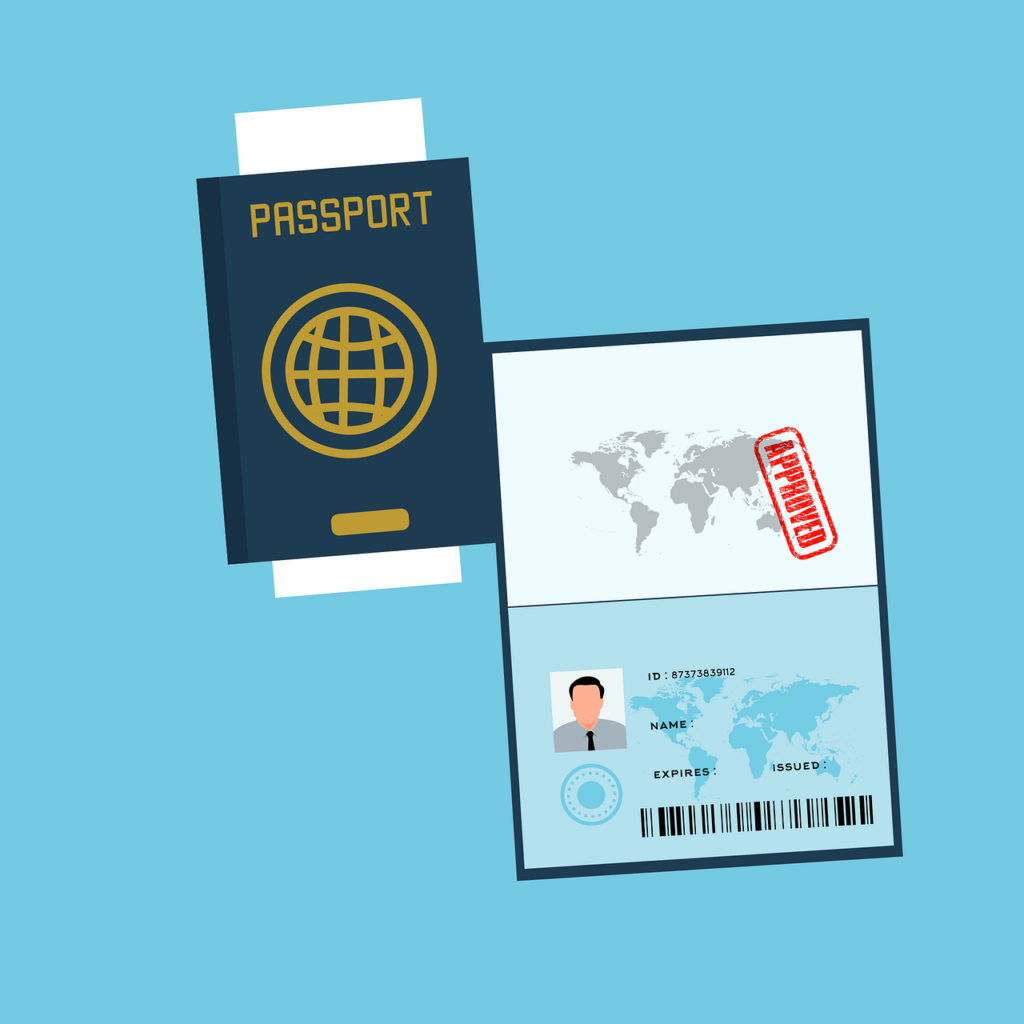
Indicative visa fees (subject to change):
- Schengen visa (short stay): €80.00;
- National visa (D) for longer stays: typically €75.00–€100.00 depending on the type;
- Legalization / translation fees: €20.00–€80.00 per document if required.
Practical tip: get certified translated copies of key official documents (birth certificates, diplomas) before you come. Several services in Munich offer this: the International Office München or translation bureaus near the central station (München Hauptbahnhof).

Before leaving, book online appointments whenever possible: for your visa at the German embassy in your home country, and once you arrive in Munich for the Anmeldung and the Ausländerbehörde. Prepare a clear file with photocopies and scan all supporting documents so you can upload them to online forms. Also, research local living costs (rent, insurance, transport) to validate your financial plan.
Arrival in Munich: Anmeldung (registration), housing and first appointments
The Anmeldung (registration with the municipality) is a must and should normally be completed within 14 days of moving into your Munich address. The registration certificate (Meldebestätigung) is required to open a bank account, sign up for health insurance and apply for a residence permit.

Offices where you can register:
- Bürgerbüro München – Bürgerbüro Nord, Kirchenstraße 7, 80802 München — Indicative opening hours: Mon–Wed 08:00–12:00, Tue 14:00–17:00, Thu 08:00–12:00 (closed Friday afternoons);
- Bürgerbüro München – Bürgerbüro Sendling, Plinganserstraße 6, 81369 München — Indicative opening hours: Mon 08:00–12:00, Tue 08:00–12:00 and 14:00–18:00, Thu 08:00–12:00.
Documents required for the Anmeldung:
- Completed registration form (Anmeldeformular);
- Identification (passport or ID card);
- Wohnungsgeberbestätigung — landlord’s confirmation (signed and dated);
- Rental contract (Mietvertrag) recommended.
Fee: Anmeldung is usually free. The certificate you receive, the Meldebestätigung, is necessary for most other procedures.
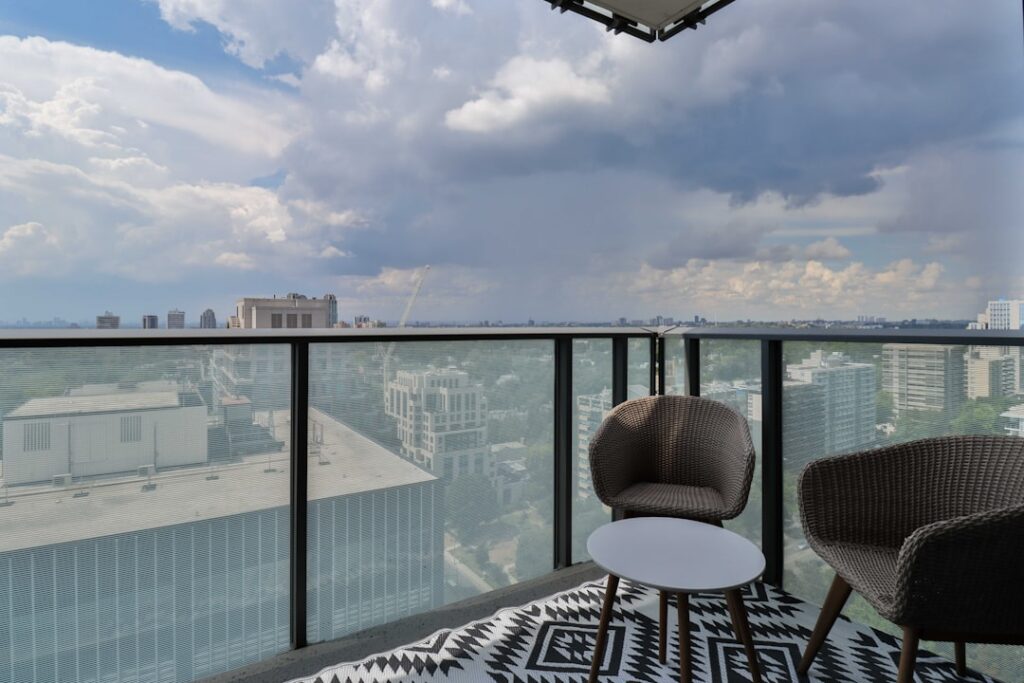
Housing: rents in Munich are high. Expect €400–€800/month for a room in shared housing, €700–€1,200 for a studio, €1,200–€2,000+ for a one-bedroom apartment depending on the neighborhood. Search platforms: ImmoScout24 (online), Studentenwerk for students, local classifieds. Local tip: neighborhoods like Schwabing, Haidhausen or Maxvorstadt are central but come with higher rents.
Practical tips for the first days: scan your documents, make multiple copies of your Meldebestätigung, and always carry proof of address to appointments. Munich is well served by the MVV (U-Bahn, S-Bahn, Tram), and many administrative offices are close to main stations (Marienplatz, Hauptbahnhof, Sendlinger Tor).
Residence permit (Aufenthaltstitel), Ausländerbehörde and specific procedures
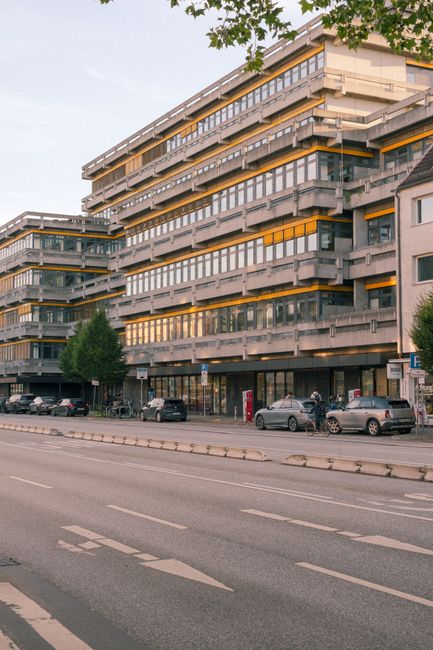
For non-EU nationals the key step is getting the Aufenthaltstitel (residence permit). In Munich, the responsible authority is the Kreisverwaltungsreferat (KVR), Abteilung Ausländerangelegenheiten. Main address:
- Kreisverwaltungsreferat (KVR) – Ausländerangelegenheiten, Ruppertstraße 19, 80337 München
Hours and appointments: book appointments online through the City of Munich portal (portal.kvr.muenchen.de). Indicative service hours: Mon 07:30–12:00, Tue 07:30–16:00, Wed 07:30–12:00, Thu 07:30–16:00, Fri closed (check online for confirmation). Walk-in queues are usually long; always book an appointment.
Documents typically required for a first residence permit application:
- Original passport + copies;
- Completed application form;
- Employment contract or proof of income;
- Proof of valid health insurance in Germany;
- Meldebestätigung (registration certificate);
- 2 recent biometric photos;
- Payment for fees (see below).
Fees (indicative):
- Residence permit (Aufenthaltstitel): around €100.00–€140.00 depending on the category;
- EU Blue Card: around €140.00;
- Renewal: €80.00–€100.00 depending on duration.
Processing times: it can take from a few weeks to several months. During the waiting period you may sometimes receive a Fiktionsbescheinigung (temporary confirmation of legal status) to prove your legal stay while your application is processed.
Local tips: arrive 15 minutes before your appointment and bring all originals and copies neatly organized. Officials appreciate clarity: hand in a well-prepared folder. If possible, book an early morning slot to minimize the chance of rescheduling. If German is a barrier, consider hiring an immigration lawyer in Munich (Anwalt für Ausländerrecht) — this can speed up complex cases.
Practical matters: banks, health insurance, taxes and daily integration
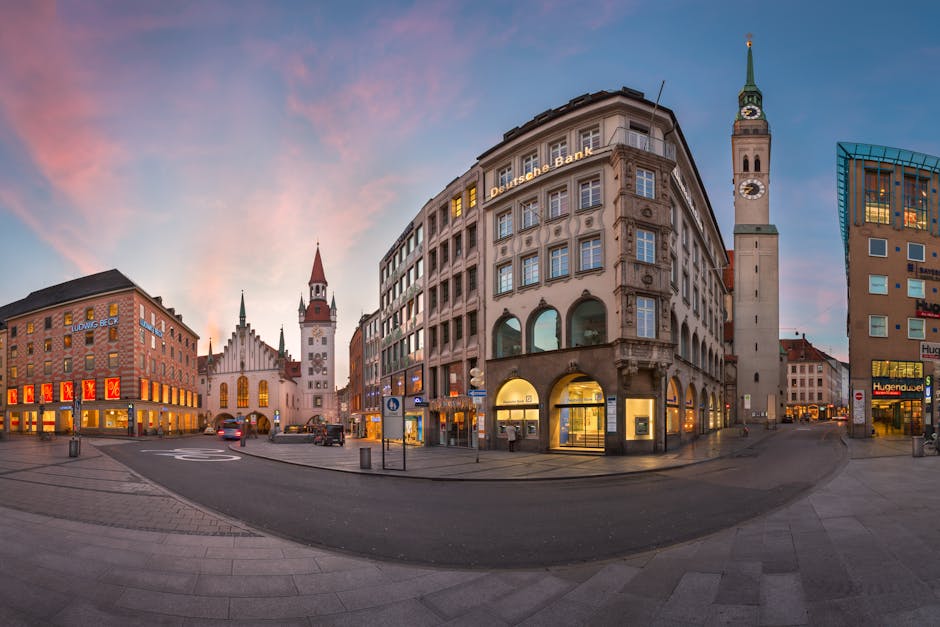
After Anmeldung and applying for your residence permit, you’ll need to open a bank account, register for health insurance and register for taxes if you work. Here are practical addresses and tips:
- Bank: Deutsche Bank, Marienplatz branch, Marienplatz 19, 80331 München. Hours: Mon–Fri 09:00–17:00 (check each branch). Documents required: passport, Meldebestätigung, employment contract or proof of income. Fees: basic accounts free or €0–€5/month depending on package.
- Health insurance fund: Techniker Krankenkasse – Local office Munich, Bayerstraße 10, 80335 München. Hours: Mon–Fri 08:00–16:00. Contributions: for employees approx. 14–16% of salary (split between employer and employee). Private rates vary.
- Tax office: Finanzamt München I, Herzogspitalstraße 10, 80331 München. Hours: Mon–Fri 08:00–12:00, Tue 08:00–16:00. You will receive a tax identification number (Steueridentifikationsnummer) shortly after your Anmeldung and your employer will need it for payroll.

Additional insurance: personal liability insurance (Haftpflichtversicherung) is recommended (around €50–€100/year). For expats, an international health insurance policy can be useful during the transition period.
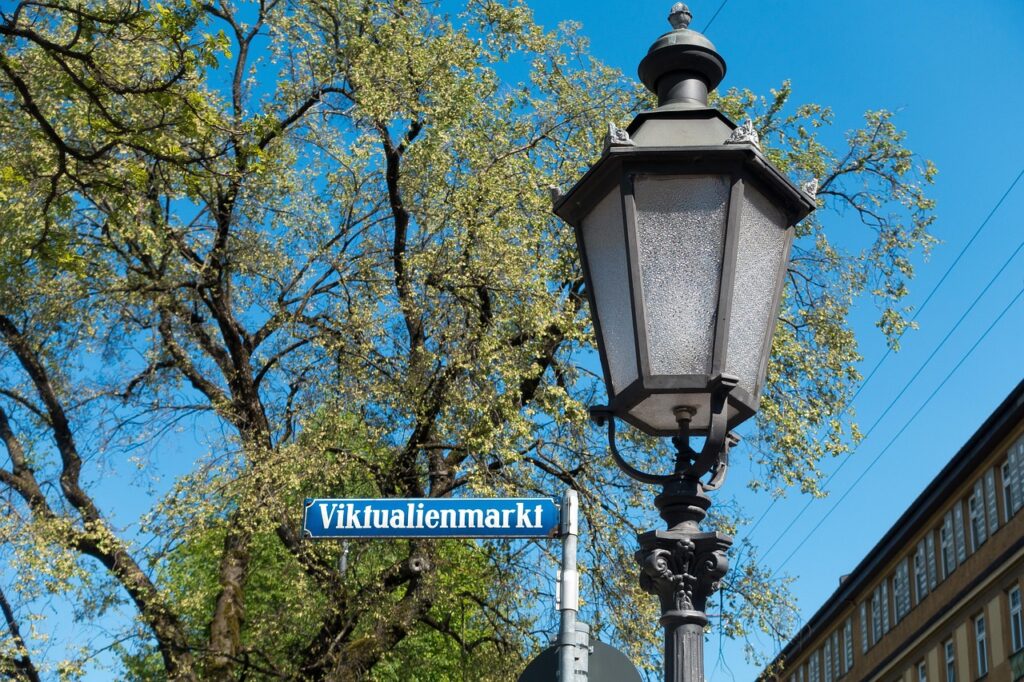
Long-term housing advice: to balance budget and quality of life, consider well-connected outer neighborhoods: Pasing (southwest), Perlach (southeast), or Fürstenried. Local markets (Viktualienmarkt, Viktualienmarkt 3, 80331 München) are great places to meet locals and discover Bavarian food culture.
Language and cultural integration: sign up for German courses (Volkshochschule München, Münchner Volkshochschule, VHS München, Hauptstraße 40, 80333 München). integration programs help with administrative steps and job searching. Joining expat groups and local events (professional meetups, markets, festivals) speeds up integration and provides practical, on-the-ground advice.
Conclusion — Plan, prepare, and don’t hesitate to ask for help
Setting up life in Munich is an enriching journey but involves bureaucracy. This guide has given you a structured roadmap: prepare before leaving (documents, embassy appointments), register upon arrival (Anmeldung), complete residency procedures with the Kreisverwaltungsreferat / Ausländerbehörde (Ruppertstraße 19, 80337 München), and follow practical steps to open a bank account, join health insurance and register for taxes. The addresses and opening hours provided are concrete starting points — always verify official pages before appointments since hours and fees can change. The costs listed (visas, permits) are indicative in euros to help you budget, but may vary depending on individual circumstances and administrative updates.

Final recommendations: keep both paper and digital copies of your documents, book online appointments (walk-in queues are long), prepare financial backups to cover initial living costs, and consider professional support (certified translation, immigration lawyer) if your case has complexities. Also make use of local resources: city offices, foreigner services, language courses and expat associations often offer free or low-cost practical information.
Munich rewards preparation: with a complete file, well-planned appointments and openness to local culture, your move can go smoothly. Good luck with the process and welcome to Munich — a city where administrative rigor goes hand in hand with a great quality of life and opportunity.