





Introduction
Munich (München), the cultural heart of Bavaria, is a city where history, art and tradition meet around every corner. If you want to understand Bavarian culture — its historical roots, its relationship with modernity and its visual identity — visiting Munich’s museums is essential. Collections range from ancient sculptures that reveal Mediterranean influence on Central Europe to masterpieces of European painting, and from technological exhibits that shaped the region to social history displays. This guide highlights 10 must-see museums in Munich to help you explore Bavarian culture in all its facets: artistic, historical, technical and social.
Each museum below includes practical details (exact addresses, typical opening hours, ticket prices in euros), immersive descriptions of what you’ll see, and local tips to make the most of your visit. I also share practical advice: how to avoid queues, which rooms or works not to miss, the best time of day to go, and how to combine multiple spots in a half-day within the Kunstareal (Munich’s museum quarter) or around the Altstadt (old town).
Munich’s cultural hubs are easy to reach thanks to the efficient public transport network (U-Bahn, S-Bahn, trams, buses). Many museums are clustered in the Kunstareal (Barer Straße, Königsplatz, Prinzregentenstraße). If you plan a deep dive, check combo passes (Pinakotheken passes, the Museum Pass Munich or combined tickets for specific museums) — they can offer great value if you’re hitting several institutions.
Finally, visiting Munich’s museums offers more than objects on display — it gives you access to the Bavarian soul: the connection to nature and tradition, 19th-century industrial transformations, the 20th-century spirit of critique, and the contemporary international art scene that has rooted itself here. Whether you love antiquities, modern art, technology or historical artifacts, this guide will help you plan your visits precisely and enjoy Munich’s museum scene to the fullest.
1. Deutsches Museum (Deutsches Museum von Meisterwerken der Naturwissenschaft und Technik)
Address & access
Address: Museumsinsel 1, 80538 München. Access: U-Bahn U1/U2 (Isartor) or S-Bahn S1–S8 (Rosenheimer Platz) then a 10–15 minute walk.
Opening hours & tickets
Hours: Tuesday–Sunday 09:00–17:00 (check for extended evening openings or special events). Closed Mondays.
Tickets: Adults around €14, students/reduced €7–€8, children under 6 free, family (2 adults + 1–3 children) roughly €28. Combined tickets and special exhibitions may have separate pricing.
Immersive description
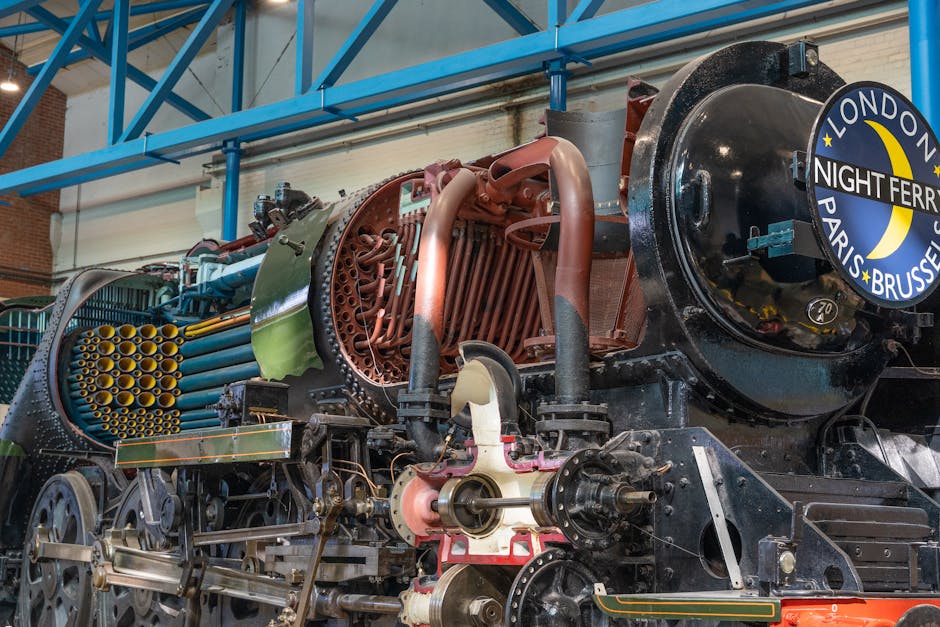
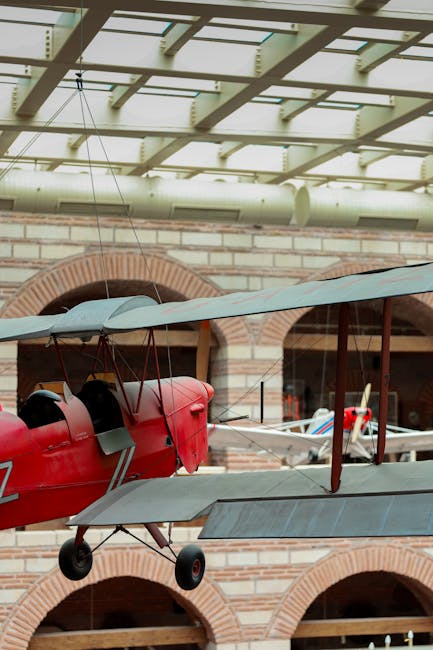
The Deutsches Museum is one of the world’s largest science and technology museums. Located on an island in the Isar River, it covers aeronautics, physics, chemistry, astronomy, navigation, energy, medical instruments and many other fields. Visiting feels like an exploration trip: you’ll see locomotives, vintage planes suspended from the ceiling, a full-scale factory model and hands-on demonstrations. The settings and machines tell the story of German industrialization and the ingenuity that helped shape Bavaria’s and Germany’s economic rise.
Don’t miss the musical instruments section, the boat hall and the children’s workshop if you’re traveling with family. Multilingual explanations (including English and German) make the scientific concepts easy to follow.
Local tips
- Arrive right at opening to visit the most popular halls (aeronautics, computing) before school groups arrive.
- Allow 3–4 hours for a thorough visit; a full day if you want to read every panel.
- The museum runs demonstrations and workshops regularly — check the official schedule and reserve limited spots in advance.
2. Alte Pinakothek (Staatliche Sammlung der bildenden Künste)
Address & access
Address: Barer Str. 27, 80333 München. Access: U-Bahn U2/U8 (Josephsplatz) or U3/U6 (Universität).
Opening hours & tickets
Hours: Tuesday, Thursday–Sunday 10:00–18:00; Wednesday 10:00–20:00; closed Monday. (Times may vary with events.)
Tickets: Adults around €7–€10, reductions for students and seniors around €3–€5, free entry for youth on certain days (check the website).
Immersive description
The Alte Pinakothek houses one of Europe’s most important collections of old master paintings, mainly from the 15th to 18th centuries. Expect Flemish, Dutch, Italian and German masters: Dürer, Rubens, Rembrandt, Raphael, Albrecht Altdorfer and more. Galleries are arranged chronologically, letting you trace the evolution of painting from formal portraits to large religious and mythological compositions.
The classic display preserves the solemn atmosphere of grand European galleries — perfect for understanding the aesthetics and cultural references that shaped Bavarian society. History paintings in particular reveal the role of religion and princely patronage in forming these collections.
Local tips
- Pick a theme (portraits, landscapes or religious painting) so you don’t get overwhelmed — a focused two-hour visit can be very rewarding.
- Use the audio guides or join themed tours (often in German and English).
- Combine with the Neue Pinakothek and the Pinakothek der Moderne the same day if you’re in the Kunstareal.
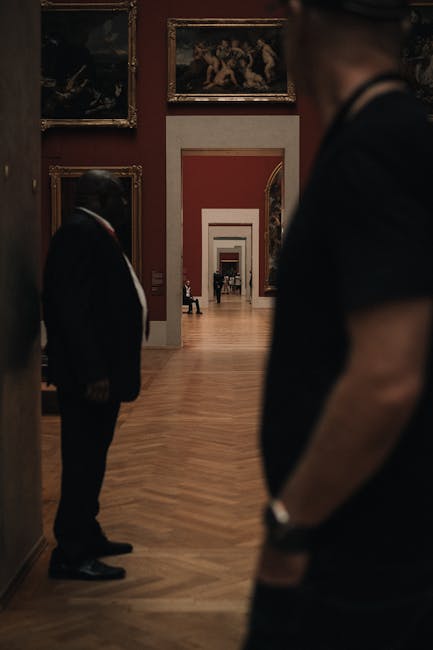
3. Neue Pinakothek (Neue Pinakothek – Sammlung des 19. Jahrhunderts)
Address & access
Address: Barer Str. 29, 80333 München. Access: U-Bahn U2/U8 (Josephsplatz) or U3/U6 (Universität).
Opening hours & tickets
Hours: Note: the Neue Pinakothek has been closed for renovations for several years. Check the official website for reopening dates and current hours before you go. When last open, hours were typically 10:00–18:00 with closures on Monday.
Tickets: Typical adult ticket around €10; reduced rates and combined offers with the other Pinakotheken may be available.
Immersive description
The Neue Pinakothek focuses on 19th-century European art: Romanticism, Realism, Impressionism and the early stirrings of Modernism. Look for Van Gogh, Cézanne, Manet, alongside German artists like Caspar David Friedrich and Max Liebermann. This period is crucial to understanding Bavaria’s modernization and its integration into European artistic movements, as well as the rise of a bourgeois patronage that changed art commissions.
The visit reveals stylistic shifts from idealized 19th-century representations to the ruptures that herald modern art. It’s also a place to see how industry, urban life and the countryside were mythologized in the European imagination.
Local tips
- Check the official reopening date — renovations may have changed the layout and access rules.
- If the Neue Pinakothek is closed, many key works are shown temporarily in other Pinakotheken; ask at the ticket desks of the other museums for alternative routes.
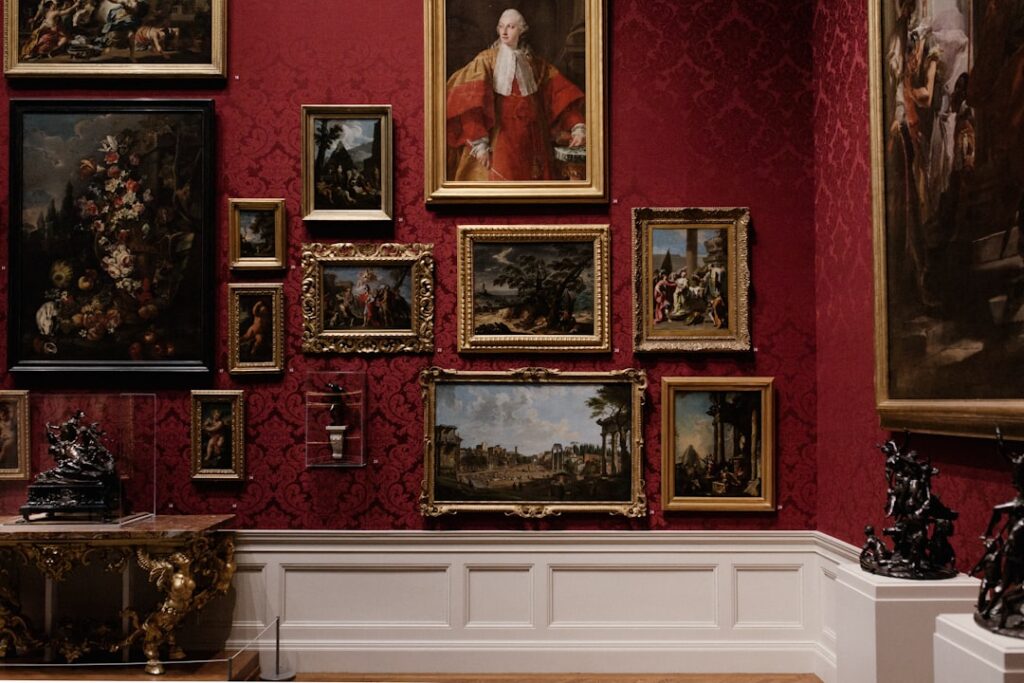
4. Pinakothek der Moderne (Staatliche Graphische Sammlungen und Moderne Künste)
Address & access
Address: Barer Str. 40, 80333 München. Access: U-Bahn U2/U8 (Josephsplatz), U3/U6 (Universität).
Opening hours & tickets
Hours: Tuesday–Sunday 10:00–18:00; Wednesday 10:00–20:00; closed Monday. Check for special evening events.
Tickets: Adults around €10–€12, reduced rates for students and seniors. Combined tickets for architecture, design and graphic art collections may be available.
Immersive description
The Pinakothek der Moderne is a unique hub combining modern art, architecture, design and graphic arts under one roof. The building’s architecture is itself a modern statement, with flexible spaces and carefully managed natural light. Permanent displays include 20th- and 21st-century masterpieces: Picasso, Klee, Kandinsky, plus iconic pieces of industrial design and modern architecture.
This museum illustrates the continuities and breaks that shape modern visual culture in Germany and Europe. The design sections help explain the role of functionalism and industrial design in Bavarian and German production, while contemporary art opens up current debates and experiments.
Local tips
- Allow at least 2–3 hours to explore the four departments (art, design, architecture, graphic arts).
- Wednesday evenings are great for fewer crowds thanks to extended hours.
- Check temporary exhibitions — they’re often excellent and sometimes require an extra ticket on top of general admission.
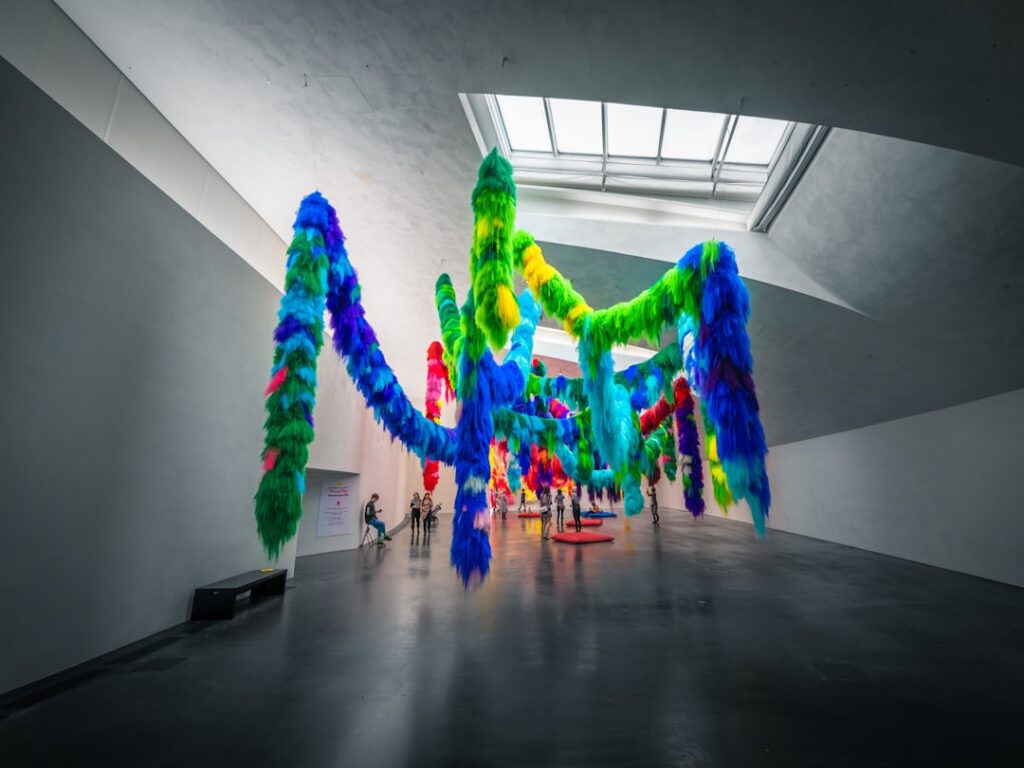
5. Glyptothek (Antikensammlung: Glyptothek and Staatliche Antikensammlungen complex)
Address & access
Address: Königsplatz 3, 80333 München. Access: U-Bahn U2 (Theresienstraße) or tram to Königsplatz.
Opening hours & tickets
Hours: Tuesday–Sunday 10:00–17:00; Wednesday 10:00–20:00; closed Monday.
Tickets: Combined Glyptothek + Staatliche Antikensammlungen ticket around €6–€8 for adults; reductions for students and seniors.
Immersive description
The Glyptothek houses an outstanding collection of Greek and Roman sculpture. Commissioned in the 19th century by King Ludwig I of Bavaria, its displays highlight marbles, replicas, busts and reliefs that reflect the court’s classical fascination. The poses, fragments and finished statues tell the story of classical aesthetics that deeply influenced European art, including Bavarian artists who drew on antiquity in their own work.
The Glyptothek pairs perfectly with the nearby Staatliche Antikensammlungen for a fuller picture of the ancient world — from pottery and everyday objects to monumental statues.
Local tips
- Combine a visit to the Glyptothek and the Staatliche Antikensammlungen in one stop to take advantage of the combined ticket.
- Enjoy the setting at Königsplatz — the surrounding neoclassical architecture is perfect for photos and for appreciating Munich’s 19th-century urban planning.
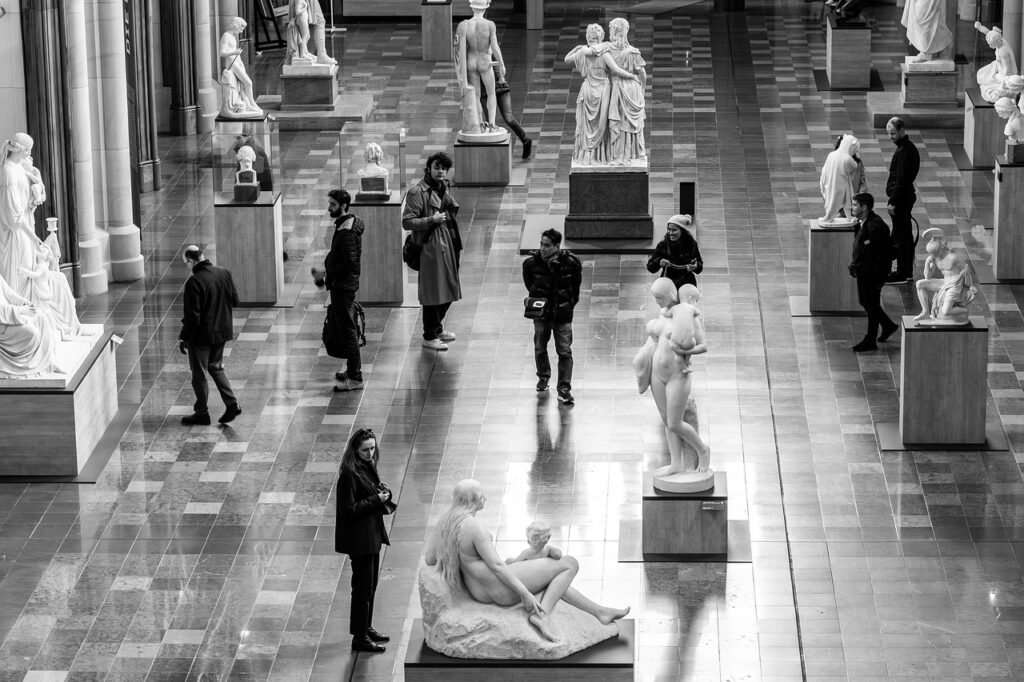
6. Staatliche Antikensammlungen (State Collection of Antiquities)
Address & access
Address: Königsplatz 3, 80333 München (adjacent to the Glyptothek). Access: U-Bahn U2 (Theresienstraße) or tram to Königsplatz.
Opening hours & tickets
Hours: Tuesday–Sunday 10:00–17:00; Wednesday 10:00–20:00; closed Monday.
Tickets: Combined ticket with the Glyptothek around €6–€8; reduced rates available.
Immersive description
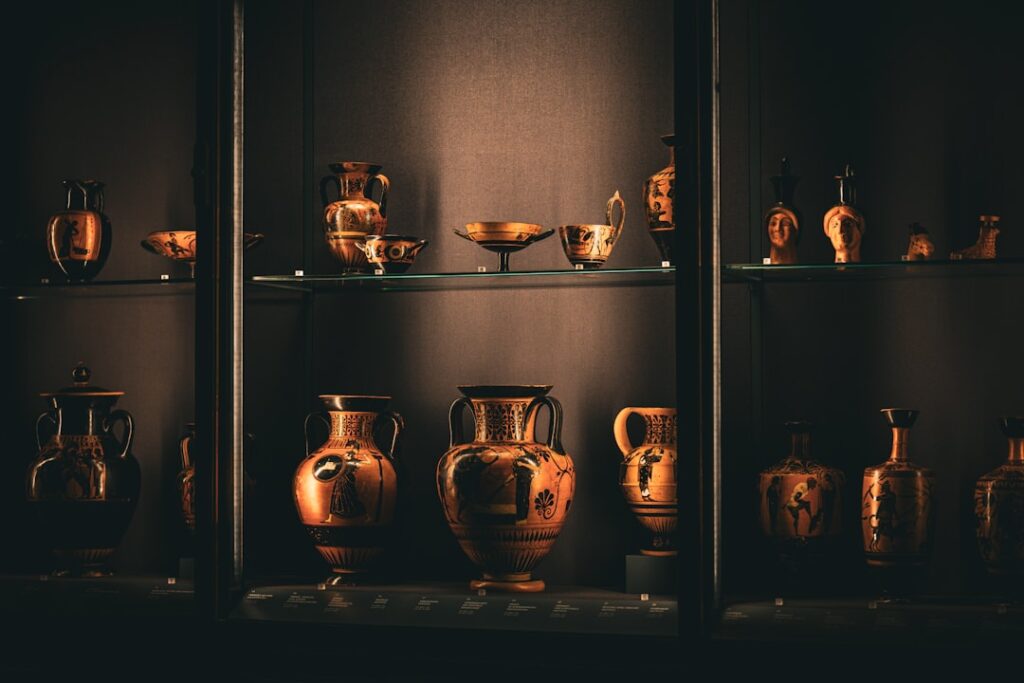
The Staatliche Antikensammlungen complement the Glyptothek with a rich collection of everyday objects: ceramics, jewelry, metalwork and bronzes from antiquity. These items let you glimpse material life and ritual practices in Greek, Etruscan and Roman cultures. The collections’ ability to recreate everyday use is a major strength for understanding social history and Mediterranean exchanges that influenced Central Europe.
Cabinets and showcases tell intimate stories — from the dining table to the shrine, through trade and craftsmanship. It’s a close-up dive into details that contrast with the Glyptothek’s monumental scale.
Local tips
- Plan 1–1.5 hours for a focused visit through the themed display cases.
- Photography is often allowed without flash; check the rules for each room.
7. Bayerisches Nationalmuseum (Bavarian National Museum)
Address & access
Address: Prinzregentenstraße 3, 80538 München. Access: tram or bus, near the Prinzregentenplatz stop; also within walking distance from the Deutsches Museum (15–20 minutes).
Opening hours & tickets
Hours: Tuesday–Sunday 10:00–17:00; Wednesday 10:00–20:00; closed Monday.
Tickets: Adults around €8–€10, reduced rates for students, youth and seniors. Family tickets and temporary exhibition fees may apply.
Immersive description
The Bavarian National Museum is the flagship institution for the artistic and cultural history of Bavaria and Europe. Its collections include furniture, decorative arts, historical costumes, weapons, musical instruments, religious statues and Baroque works. The displays highlight craftsmanship, aristocratic and bourgeois tastes, and how material culture helped shape Bavarian identity over centuries.
It’s the perfect place to learn about Bavarian table manners, aristocratic salons, liturgical objects and festive customs. Temporary thematic exhibitions often bring fresh perspectives (design, textiles, Europe-Asia relations, etc.).
Local tips
- A full visit takes 2–3 hours; audio guides are useful for complex objects.
- If you’re into decorative arts, check temporary shows — they can be highly specialized and rewarding.
8. Residenz München (Residenzmuseum and Treasury / Residenz München und Münchner Schatzkammer)
Address & access
Address: Residenzstraße 1, 80333 München. Access: U-Bahn U3/U6 (Marienplatz) or U-Bahn U1/U2 (Sendlinger Tor) depending on your route.
Opening hours & tickets
Hours: Residence Museum: daily 10:00–17:00 (check for exceptional closures). The Treasury (Schatzkammer) is often included or has separate ticketing; hours are similar.
Tickets: Combined Residence + Treasury ticket around €9–€11 for an adult; reductions for students/young visitors/seniors. Some rooms may be separately ticketed during special exhibitions.
Immersive description
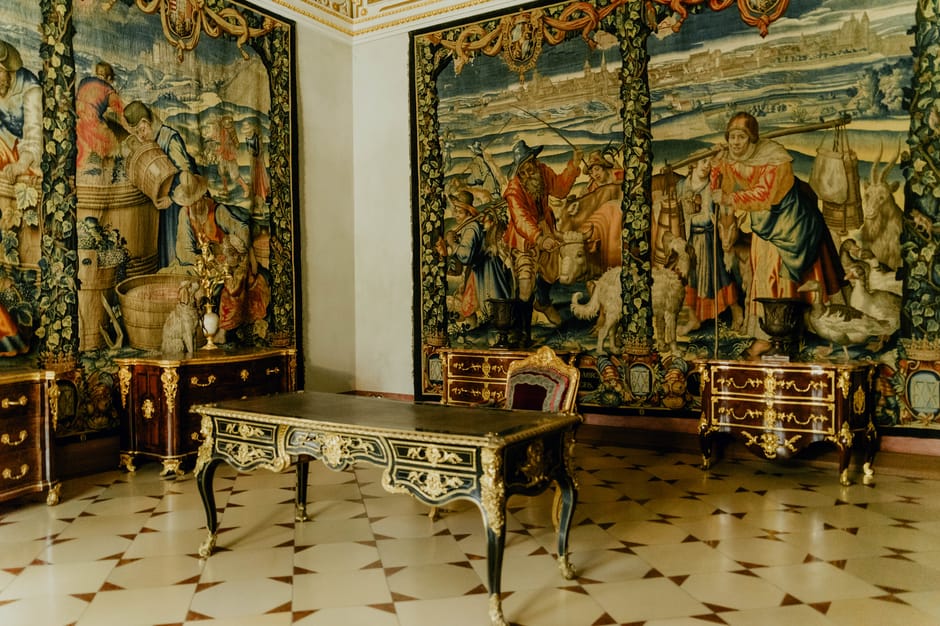
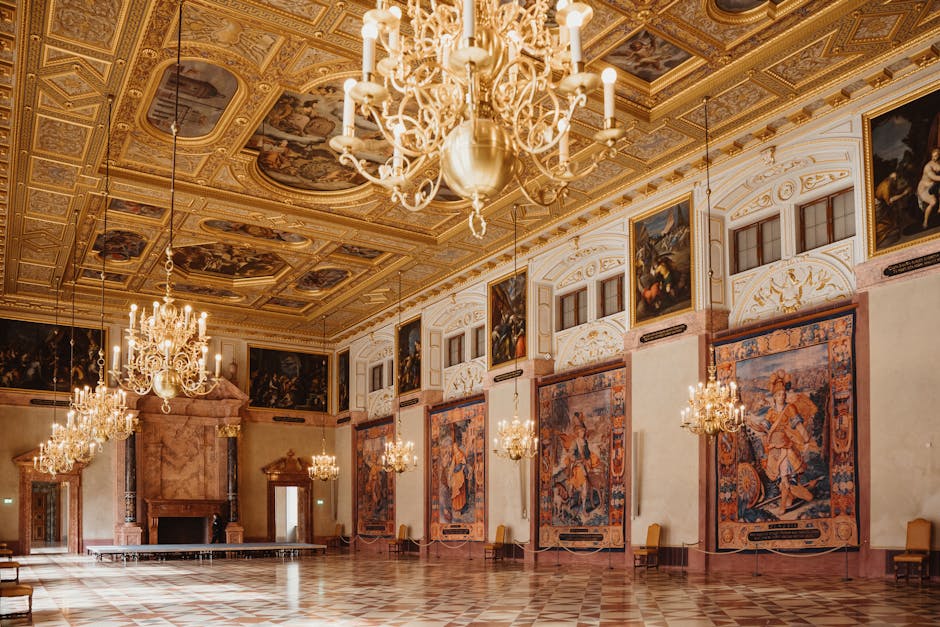
The Munich Residenz was the palace of Bavaria’s dukes, electors and kings. This palatial complex — with its ornate rooms, state apartments and the Schatzkammer (treasury) — tells the story of Wittelsbach dynastic power and how royal representation shaped Bavarian culture. Frescoes, woodwork, tapestries and exquisite objects (goldsmith works, crowns, reliquaries) alone justify a visit.
Walking through the apartments and state rooms you can feel the continuity of power and the local political culture, as well as the taste for lavish display that has left a mark on Munich’s history.
Local tips
- Allow 1.5–2 hours for the Residenz plus an extra 30–45 minutes for the Treasury.
- Combine the visit with Marienplatz and the Frauenkirche, both just a few minutes’ walk away.
- Buy a skip-the-line ticket in high season to avoid waiting at the ticket desk.
9. Haus der Kunst (House of Art)
Address & access
Address: Prinzregentenstraße 1, 80538 München. Access: Tram 16/18 stop Haus der Kunst, or U4/U5 Lehel then a 10-minute walk.
Opening hours & tickets
Hours: Tuesday–Sunday 10:00–18:00; sometimes open for evening cultural events. Closed Monday.
Tickets: Temporary exhibitions usually €8–€12 for adults; reductions for students and seniors; some shows may be free.
Immersive description
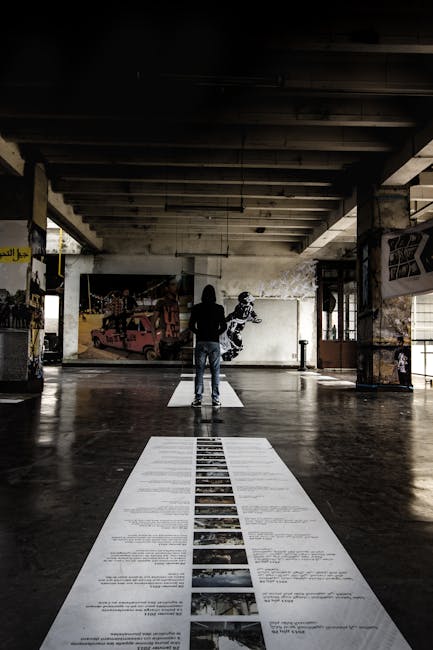
Haus der Kunst is a major venue for contemporary art and large-scale international exhibitions. The building’s elongate, sober architecture suits large installations, video works, performances and immersive pieces. Exhibitions often tackle current political and social themes, offering a contemporary reading of culture — essential for understanding how Munich engages with global issues today.
Haus der Kunst programs challenging and experimental shows: it’s where to look to get a sense of Munich’s contemporary art scene. The nearby park, theatiner church and the Isar river make a cultural stroll particularly pleasant.
Local tips
- Check the events calendar for performances and guided tours that deepen the exhibition experience.
- Some shows offer English-language mediation; verify what’s available on the day of your visit.
10. Lenbachhaus (Museum für moderne und zeitgenössische Kunst)
Address & access
Address: Luisenstr. 33, 80333 München. Access: U-Bahn U3/U6 (Universität) or U2/U8 (Josephsplatz), both a short walk away.
Opening hours & tickets
Hours: Tuesday–Sunday 10:00–18:00; Wednesday 10:00–20:00; closed Monday.
Tickets: Adults around €10, reduced rates for students and seniors; young people often free under certain conditions.
Immersive description
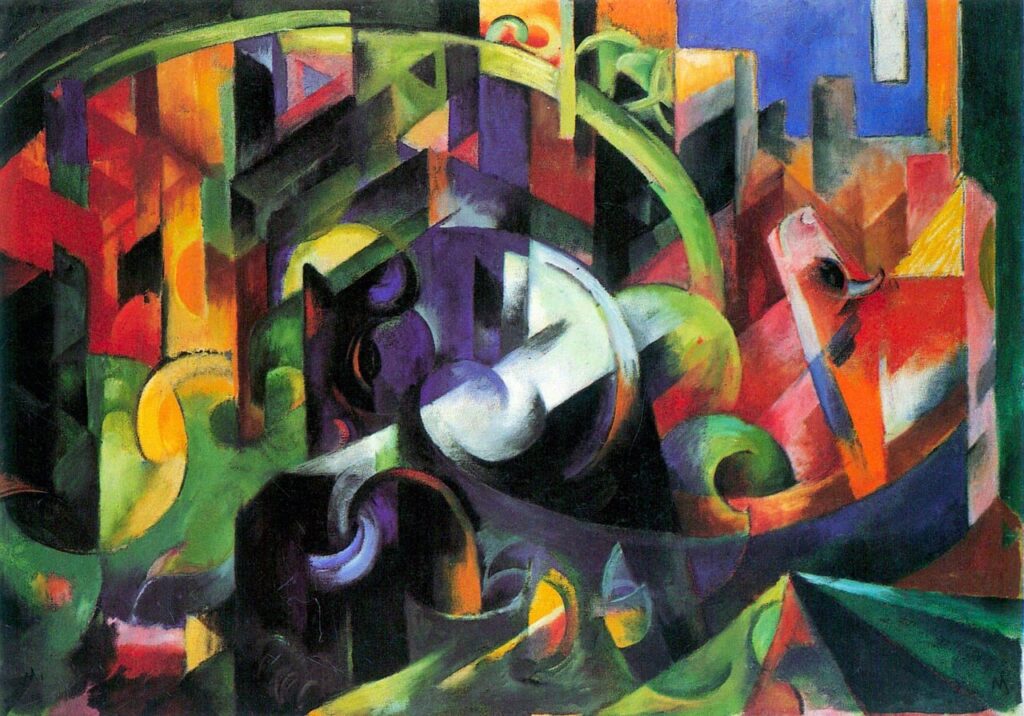
The Lenbachhaus is famous for its outstanding collection of works by the Blaue Reiter group (Der Blaue Reiter), a German avant-garde movement that profoundly influenced Expressionism. You’ll see paintings by Kandinsky, Franz Marc and August Macke in a layout that highlights the movement’s spiritual and formal explorations from the early 20th century. In addition to its historic collection, the museum stages contemporary shows that interrogate the relationship between legacy and current creation.
The building blends the historic Lenbach family villa with modern extensions and dedicated temporary exhibition spaces. The gardens and façade add to the charm, making the visit a rounded experience where the history of modernism feels intimate.
Local tips
- Don’t miss the Blaue Reiter room — the works there are essential touchpoints for understanding German modern art.
- Take advantage of extended Wednesday hours if you plan to fit another museum into the same day.
Conclusion
Munich offers a coherent and rich museum landscape that lets you understand Bavarian culture from complementary angles: antiquity and tradition (Glyptothek, Staatliche Antikensammlungen), old master painting and princely collections (Alte Pinakothek), the move toward modernity (Neue Pinakothek, Lenbachhaus), architecture and design (Pinakothek der Moderne), social and material history (Bavarian National Museum, Residenz), science and technology (Deutsches Museum), and contemporary art and present-day debates (Haus der Kunst, Pinakothek der Moderne). Each of these places provides a piece of the puzzle: how Bavaria formed culturally and how Munich became a European cultural capital.
Practical tips for planning your stay: group visits by area (Kunstareal — Barer Straße, Königsplatz — so you can do 3–4 museums on foot in a day), buy tickets online to skip queues, favor mornings or Wednesday evenings for museums with late hours, and keep an eye on temporary exhibitions that can alter permanent displays. Don’t forget to enjoy museum cafés and gift shops, often full of catalogs and local editions that extend the experience.
And leave time for walking: Munich is also discovered between museums — stroll through the Englischer Garten, stop for a Weißwurst at a traditional beer hall, or catch a concert in a historic venue. Museums aren’t just places to look; they’re living spaces that converse with the city. Visiting these ten institutions will give you a deep, nuanced understanding of Bavarian culture — from ancient origins to contemporary expressions — and you’ll depart with a richer perspective on Munich, its history and cultural ambitions.